
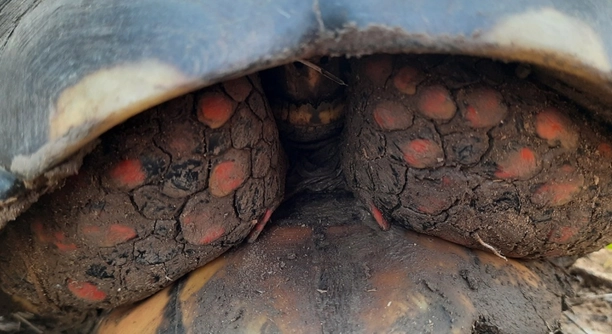
Red-footed tortoises are fascinating creatures, known for their unique behaviors and calm demeanor. If you’ve noticed your tortoise yawning frequently, it’s natural to wonder what’s behind this action and if it’s something to be concerned about.
Yawning in red-footed tortoises is typically a normal behavior, often linked to relaxation, stretching, or even digestion. However, if excessive yawning is accompanied by other symptoms, it may indicate underlying health issues such as respiratory infections or stress.
Understanding the reasons behind this behavior can help ensure your tortoise’s well-being and allow for proper care.
Common Reasons for Yawning
Yawning is a common behavior among red-footed tortoises. Often, it’s a sign that the tortoise is feeling relaxed or stretching its muscles after resting. Just like humans, tortoises may yawn to relieve tension, particularly in their jaws or neck. It can also occur when they wake up or after eating, as their body adjusts. In some cases, yawning can be a response to their environment. If your tortoise yawns when it’s comfortable or when it’s in a familiar space, it’s likely just part of its routine.
Yawning may also occur if your tortoise has recently eaten a large meal. Digestion can require some energy, and yawning might be part of this process. It’s also important to note that tortoises, like many reptiles, sometimes yawn to keep their respiratory system functioning properly, ensuring that they get enough oxygen.
If your tortoise yawns occasionally and seems healthy overall, it’s not a cause for concern. But when paired with other symptoms, it could indicate something more.
When to Be Concerned
Excessive yawning should not be ignored. If your tortoise yawns frequently and shows signs of lethargy or discomfort, it could be stressed or unwell. Respiratory infections are a common cause for concern in tortoises and may result in symptoms like yawning, nasal discharge, or labored breathing.
In this case, the tortoise may struggle to breathe properly, and yawning could be its attempt to open the airways. It’s crucial to pay attention to any additional signs like changes in appetite, activity level, or behavior. If these symptoms persist for a few days, a visit to a veterinarian experienced with reptiles is essential.
Ensuring your red-footed tortoise has a clean, warm, and comfortable environment is key. Stress from improper habitat conditions, such as humidity or temperature fluctuations, can lead to respiratory issues. Adequate space and the right diet will also help maintain your tortoise’s health.
Stress and Anxiety in Tortoises
Stress can trigger frequent yawning in red-footed tortoises. Changes in their environment or routine may make them feel uneasy. New pets, loud noises, or disruptions to their habitat can all lead to increased stress levels. This is more likely if your tortoise is not accustomed to the changes.
If your tortoise is yawning more often and displaying signs of stress, such as hiding, pacing, or not eating, it may need a more stable environment. Make sure its enclosure is quiet, calm, and free from excessive handling. Providing a safe space for your tortoise will help reduce anxiety and support its well-being.
It’s important to check that your tortoise’s enclosure is set up properly. Ensure that the temperature, humidity, and lighting are suitable for its needs. Tortoises can be very sensitive to changes in their environment. Avoid sudden movements or loud sounds around the enclosure to help your tortoise feel more secure.
Respiratory Issues in Tortoises
Yawning can sometimes be an early sign of respiratory problems. Infections can cause difficulty breathing, leading the tortoise to yawn frequently in an attempt to clear its airways. Respiratory illnesses in red-footed tortoises are common and often triggered by improper environmental conditions, such as low humidity or poor ventilation.
If the yawning is accompanied by wheezing, nasal discharge, or labored breathing, it’s a sign that something is wrong. A visit to a vet is crucial to diagnose the issue. Infections can worsen quickly if left untreated, so addressing them early is key.
Proper humidity levels are essential for respiratory health in red-footed tortoises. Their enclosures should have adequate ventilation and a consistent temperature. Make sure your tortoise’s environment supports its respiratory needs to prevent infections. Regular checks on their health and habitat will help catch issues before they become serious.
Temperature and Humidity Imbalances
Yawning can occur if your tortoise’s enclosure is not at the right temperature or humidity level. Red-footed tortoises thrive in a warm and humid environment. If the temperature is too low or the humidity is inconsistent, it can stress the tortoise and cause abnormal behaviors.
Ensure that your tortoise’s habitat is maintained at a consistent temperature range between 75°F and 85°F. Humidity levels should be kept at around 70-80%. Using a reliable thermometer and hygrometer will help you keep track of these factors. A heat source, like a basking lamp, can provide warmth and stability.
Diet and Digestion
A poor diet or overeating can lead to yawning in red-footed tortoises. Digestive discomfort may cause them to yawn as they try to stretch and help their system. It’s important to feed your tortoise a balanced diet of fresh vegetables, fruits, and occasional protein.
Overfeeding can cause bloating or stress on the digestive system. Make sure your tortoise is eating appropriate portions. Too much high-protein food can lead to digestive problems and discomfort. Monitoring your tortoise’s diet closely will help prevent issues and promote healthy digestion.
Lack of Enrichment
Tortoises need mental stimulation to stay healthy. A lack of enrichment, such as hiding places, different textures, or climbing structures, can lead to boredom and stress. When a tortoise feels unengaged, it may exhibit behaviors like yawning to relieve frustration.
Adding variety to their enclosure is essential for mental well-being. Include items like logs, rocks, and plants that encourage natural behaviors. This will help your tortoise feel more comfortable and reduce signs of stress.
FAQ
Why does my red-footed tortoise yawn so much?
Yawning in red-footed tortoises is typically a normal behavior. It can be a sign of relaxation, stretching, or an attempt to help with digestion. However, excessive yawning, especially if accompanied by other symptoms, could signal stress, respiratory issues, or environmental problems. If your tortoise is yawning more than usual and shows signs of lethargy or discomfort, it’s best to monitor its overall health and environment.
Is yawning a sign of illness in my tortoise?
Yawning alone is usually not a sign of illness. However, if it’s frequent and combined with other symptoms like wheezing, nasal discharge, or loss of appetite, it could point to respiratory issues or stress. A visit to the vet is necessary if you notice any concerning changes in behavior.
Can temperature affect my tortoise’s yawning?
Yes, temperature imbalances can cause stress and lead to excessive yawning. Red-footed tortoises thrive in a warm environment, ideally between 75°F and 85°F. If the enclosure is too cold, your tortoise may yawn to regulate its body. Similarly, inconsistent humidity levels can contribute to discomfort.
How can I tell if my tortoise is stressed?
Signs of stress in a tortoise can include yawning, hiding, lack of appetite, and abnormal behaviors like pacing or aggression. Stress can be caused by environmental factors, handling, or changes in routine. Ensuring a stable, quiet environment with proper temperature and humidity levels is key to reducing stress.
How often should I check my tortoise’s habitat conditions?
It’s important to check your tortoise’s habitat daily to ensure the temperature, humidity, and cleanliness are at the correct levels. Regular checks will help prevent issues and keep your tortoise comfortable. Use a thermometer and hygrometer to monitor the environment, and make adjustments as needed.
Is it normal for my tortoise to yawn after eating?
Yes, yawning after eating is normal. It’s likely part of the digestion process. Your tortoise may yawn to help relax its muscles or adjust its posture after a meal. If the yawning is occasional and your tortoise seems healthy otherwise, there’s no need for concern.
Can I prevent my tortoise from yawning too much?
Preventing excessive yawning is about maintaining a stable and healthy environment. Ensure that your tortoise has the right temperature, humidity, and space. Proper diet and mental stimulation are also important. If your tortoise yawns frequently due to stress or health issues, addressing these factors is essential.
How can I improve my tortoise’s diet to prevent digestive issues?
A well-balanced diet is key to preventing digestive problems in your tortoise. Offer a variety of leafy greens, vegetables, and occasional fruits. Avoid overfeeding and provide protein sources sparingly. A varied diet will help keep your tortoise’s digestive system healthy and reduce the chances of discomfort or yawning related to digestion.
Can yawning be a sign of respiratory infection in tortoises?
Yawning can be an early indicator of a respiratory infection, especially if accompanied by other symptoms like nasal discharge, wheezing, or labored breathing. Respiratory infections are common in tortoises, and they can become serious if left untreated. If you suspect an infection, contact a vet immediately.
Should I worry if my tortoise yawns while basking?
Yawning while basking is typically harmless. Tortoises often yawn when they’re in a relaxed state or after stretching. It’s a normal part of their routine. However, if the yawning is excessive or if you notice any signs of discomfort, it’s best to monitor for other symptoms to rule out any health issues.
How can I reduce stress for my red-footed tortoise?
To reduce stress, ensure your tortoise has a quiet, safe, and stable environment. Minimize handling and provide hiding places for comfort. Make sure the habitat has the right temperature, humidity, and lighting. Avoid sudden changes to the environment, as they can make your tortoise feel uneasy.
What should I do if my tortoise’s yawning doesn’t stop?
If the yawning is persistent and you notice other signs of illness or discomfort, it’s time to consult a veterinarian. They can check for underlying health issues, including respiratory infections or stress-related conditions. Early diagnosis and treatment are crucial for maintaining your tortoise’s health.
How can I provide enrichment for my red-footed tortoise?
Providing enrichment is essential for your tortoise’s well-being. Add variety to its enclosure with climbing structures, logs, rocks, and plants. These items encourage natural behaviors like foraging and exploration. Enrichment helps prevent boredom and reduces stress, which can lead to behaviors like excessive yawning.
Is yawning ever a sign of dehydration in my tortoise?
Dehydration can cause your tortoise to feel uncomfortable and stressed, but yawning alone is not a direct sign of dehydration. If your tortoise is not drinking enough water or has dry skin, it could indicate dehydration. Make sure your tortoise has constant access to fresh water and humidity is properly maintained.
How can I tell if my tortoise has a respiratory infection?
Signs of a respiratory infection in tortoises include yawning, wheezing, nasal discharge, labored breathing, and lethargy. If you observe any of these symptoms, it’s essential to seek veterinary care immediately. Respiratory infections can worsen quickly, and prompt treatment will help ensure your tortoise recovers.
Does my tortoise need more sleep if it yawns frequently?
Yawning is not always a sign that your tortoise needs more sleep. Tortoises do require rest, and they may yawn when transitioning from sleeping to being awake. However, if your tortoise is yawning excessively and seems lethargic or is sleeping more than usual, it could indicate an underlying health issue.
Final Thoughts
Yawning in red-footed tortoises is often a normal behavior. It can occur for various reasons, including relaxation, digestion, and stretching. While occasional yawning is not something to worry about, it’s essential to be mindful of the context. If yawning is excessive or accompanied by other symptoms like respiratory distress, loss of appetite, or changes in behavior, it may signal that something isn’t right. In those cases, it’s crucial to address the issue early to prevent it from worsening.
The key to keeping your tortoise healthy is maintaining an environment that meets its needs. This includes proper temperature, humidity, and space to roam. If your tortoise’s habitat is too cold or too dry, it may lead to stress, which could cause excessive yawning or other signs of discomfort. Regular monitoring of your tortoise’s health and the conditions of its environment will help you catch any potential problems before they become serious. Providing a balanced diet, proper hydration, and mental stimulation are also crucial aspects of your tortoise’s overall well-being.
In the end, understanding your red-footed tortoise’s behaviors, including yawning, is essential for keeping it happy and healthy. While yawning is typically harmless, any signs of illness or discomfort should not be ignored. Observing your tortoise regularly, maintaining its habitat, and consulting a vet when needed are all steps that can prevent problems and ensure your tortoise enjoys a long, healthy life. With proper care and attention, your tortoise can continue to thrive in its environment.

Hello,
If you enjoy the content that we create, please consider saying a "Thank You!" by leaving a tip.
Every little bit helps us continue crafting quality advice that supports the health, happiness, and well-being of pets around the world, for pets of all shapes, sizes, and species.
We really appreciate the kindness and support that you show us!