
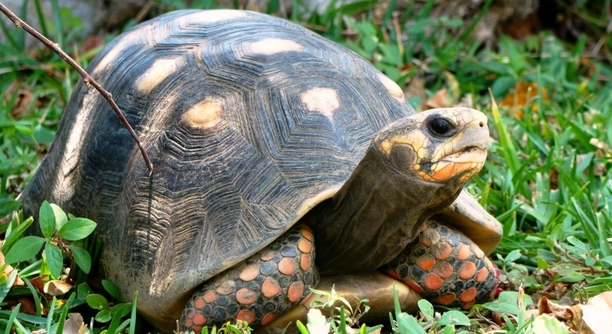
A red-footed tortoise sitting in its water bowl might be a common sight for many owners. It’s important to understand the possible reasons behind this behavior and how it relates to your tortoise’s health and environment.
The main reason a red-footed tortoise sits in its water bowl is to regulate its body temperature and maintain hydration. These tortoises require a humid environment to thrive, and the water bowl helps them stay cool and hydrated.
This behavior might be a signal of your tortoise’s need for a better habitat setup. Ensuring the right balance of humidity and temperature will help prevent this.
Why Red-Footed Tortoises Need Humidity
Red-footed tortoises naturally come from regions with high humidity. In their wild habitats, they stay in moist areas, which helps keep them hydrated and comfortable. Without enough humidity, they may sit in their water bowls to compensate for the dry air. Ensuring proper humidity in their environment is key for their well-being. If you notice this behavior, it’s important to assess the humidity levels in their enclosure. A hygrometer can help you track this. The ideal range for red-footed tortoises is around 60-80%. A water dish with a slight misting can improve the habitat.
Proper humidity levels are crucial for their skin and respiratory health. Too little moisture can lead to dehydration and problems with shedding. Also, the right humidity helps prevent skin issues, such as dryness and cracking.
If your tortoise keeps sitting in its water bowl, it’s a sign that it is seeking moisture. The enclosure may not have enough humidity or moisture-rich areas. Consider adjusting the environment by adding more water features and ensuring proper misting.
Temperature Regulation and Comfort
Tortoises are ectothermic, meaning they rely on external temperatures to regulate their body heat. When a red-footed tortoise sits in its water bowl, it might be trying to stay cool. This is particularly common in warmer areas. A water bowl offers a cooler spot, allowing the tortoise to avoid overheating.
The enclosure’s temperature should range between 75°F and 85°F (24°C to 29°C) during the day, with a basking area that reaches up to 90°F (32°C). Night temperatures can drop to around 70°F (21°C). A consistent temperature range allows your tortoise to maintain its body heat efficiently without relying on water.
If the tank is too warm, consider adjusting the heating and providing a cool, shaded spot for your tortoise. This will encourage your pet to find a more suitable resting place.
Hydration and Its Importance for Red-Footed Tortoises
Water is essential for red-footed tortoises. They rely on it for hydration and to help them digest their food. If the water bowl is a regular resting place, it could be an indication that your tortoise is thirsty.
A dry environment can quickly lead to dehydration, which can cause lethargy and other health issues. Tortoises in their natural habitats are used to accessing water regularly, and the bowl becomes a key part of their routine. Maintaining clean, fresh water in the bowl can encourage your tortoise to drink more frequently and stay hydrated.
In addition to hydration, water helps with digestion. A hydrated tortoise can digest food more effectively, and keeping a constant supply of clean water ensures they get the moisture they need for optimal health.
The Right Size and Shape of the Water Bowl
Choosing the correct water bowl is crucial for your tortoise. A shallow bowl that allows easy access and prevents your tortoise from accidentally tipping over is important.
A bowl that is too deep can be problematic for red-footed tortoises, as they may struggle to climb out if they fall in. This can lead to stress and injury. The bowl should be shallow enough to allow easy access, but deep enough to hold sufficient water. The shape is also important: a wider, flatter bowl works better than a narrow one, providing more space for your tortoise to comfortably soak.
To keep your tortoise safe, make sure the bowl is sturdy and cannot be easily tipped over. Regularly check the water temperature to ensure it’s comfortable and not too cold or hot for your tortoise’s needs.
Stress and Behavioral Signs
Stress can cause your tortoise to seek refuge in its water bowl. A change in environment or handling may make them feel unsettled.
If your red-footed tortoise starts spending more time in the water bowl, it could be a sign of stress. Stress can lead to behaviors like hiding, aggression, or a refusal to eat.
Providing a stable environment, minimal handling, and a quiet space can help reduce stress levels. Ensuring your tortoise feels secure in its enclosure is vital to prevent this behavior.
Lack of Hiding Spaces
Tortoises need hiding spaces to feel safe. If the enclosure lacks proper hiding spots, they may turn to their water bowl for security.
A hiding space offers a place for your tortoise to retreat and relax. Without one, they may feel exposed, leading them to seek comfort in the water. Proper hiding spots, such as logs or plants, will help reduce stress and promote natural behaviors.
FAQ
Why is my red-footed tortoise sitting in its water bowl all day?
Sitting in the water bowl could be a sign that your tortoise is trying to regulate its temperature or humidity levels. These tortoises require a humid environment to stay healthy. If the enclosure is too dry, your tortoise may seek moisture in its water dish. It’s also possible that the bowl is a cooler area in the enclosure, especially if the temperature is too high. If your tortoise is spending an excessive amount of time in the water, consider checking the humidity levels and temperature to ensure they are within the proper range.
How often should I change the water in my red-footed tortoise’s bowl?
It’s important to change the water every day, or at least every other day, to ensure it remains clean and fresh. This helps prevent bacteria build-up and provides your tortoise with safe water to drink. If the water becomes dirty more quickly, like after feeding, clean the bowl and refill it with fresh water immediately. Maintaining clean water is vital for their hydration and overall health.
Can the water bowl be too small for my tortoise?
Yes, the size of the water bowl matters. If it’s too small, your tortoise may not be able to soak comfortably or drink enough water. The bowl should be large enough for your tortoise to get in and out of easily. It doesn’t need to be very deep, but it should provide enough space for them to comfortably hydrate and regulate their body temperature.
How do I know if my red-footed tortoise is dehydrated?
Dehydration signs include lethargy, sunken eyes, dry or flaky skin, and a lack of appetite. If you notice any of these symptoms, it’s important to address the issue quickly by ensuring a consistent supply of clean water and adjusting humidity levels in the enclosure. Dehydration can be dangerous for tortoises, so it’s essential to monitor their water intake regularly.
Should I add a water filter to my tortoise’s water bowl?
Adding a filter can be helpful if you want to maintain cleaner water for longer periods. However, red-footed tortoises often enjoy soaking in the water, so it’s important to clean their water bowl regularly regardless of a filter. Filters can help reduce the amount of debris and bacteria in the water, but they don’t replace the need for frequent cleaning.
What temperature should the water be in the bowl?
The water should be lukewarm, not too hot or cold. If the water is too cold, your tortoise may not be comfortable soaking in it. A temperature between 75°F and 85°F (24°C to 29°C) is ideal. You can test the temperature with your hand to make sure it feels neutral and comfortable.
Can my red-footed tortoise drown in its water bowl?
Although it’s unlikely for a red-footed tortoise to drown in a shallow water bowl, it’s still important to ensure the bowl is not too deep. If the water is too deep and your tortoise falls in, it may struggle to get out. Always choose a shallow bowl, and check the size to make sure your tortoise can easily climb in and out.
Why does my tortoise keep soaking in its water bowl?
Soaking in water is a normal behavior for red-footed tortoises, as it helps them stay hydrated and regulate body temperature. However, excessive soaking may indicate the need for better humidity or temperature control. If your tortoise is soaking too much, assess the enclosure’s humidity and ensure it’s within the right range.
What should I do if my red-footed tortoise stops drinking water?
If your tortoise refuses to drink water, it could be a sign of stress, illness, or an improper environment. Check the enclosure’s temperature and humidity, as they may not be ideal. Ensure there are no signs of illness, such as lethargy or a lack of appetite. If the problem persists, it’s best to consult a veterinarian.
Is it normal for my tortoise to be in the water bowl during the night?
It is normal for red-footed tortoises to rest in their water bowl, especially if the enclosure’s humidity or temperature is off. They may prefer the cooler or more humid area that the water bowl offers. However, if this behavior is consistent, it may indicate the need for environmental adjustments.
Can a red-footed tortoise live without a water bowl?
No, red-footed tortoises need access to water to stay hydrated and healthy. A water bowl is essential for their hydration and helps them regulate body temperature. Without access to water, your tortoise could suffer from dehydration and other health issues. Always provide fresh water daily.
How can I increase the humidity in my red-footed tortoise’s enclosure?
Increasing humidity can be done by misting the enclosure daily, adding a larger water bowl, or using a humidity box. You can also cover part of the enclosure to keep moisture in. A humidity gauge (hygrometer) can help you monitor the levels, aiming for a range of 60-80%. Proper humidity prevents dehydration and promotes healthy skin and shedding.
What if my red-footed tortoise seems to be sitting in its water bowl all the time, even after I change the habitat?
If the behavior persists, it could be a sign of stress or discomfort. Even after you change the environment, your tortoise may still feel the effects of earlier stress. Check for other factors that could contribute, such as lighting, temperature, and handling. If the problem continues, consider consulting a vet to rule out any underlying health issues.
Final Thoughts
If your red-footed tortoise keeps sitting in its water bowl, it’s important to first assess the environment. This behavior may be a natural response to temperature or humidity issues in the enclosure. These tortoises rely on a consistent environment to feel secure, so changes in their habitat could cause them to seek comfort in the water bowl. It’s crucial to check the temperature and humidity levels regularly. Ideally, the temperature should be between 75°F and 85°F (24°C to 29°C), and the humidity should range from 60% to 80%. If either of these factors is out of balance, it may explain why your tortoise is spending more time in the water.
Another key factor to consider is the size and depth of the water bowl. If the bowl is too deep or too small, your tortoise may not be able to soak properly or get in and out easily. A shallow bowl with enough space to comfortably soak is essential. Additionally, regular cleaning of the water bowl is important to prevent bacteria buildup. Dirty water can discourage your tortoise from drinking and may contribute to health problems over time. Fresh water should be provided daily, ensuring your tortoise stays hydrated and comfortable.
Lastly, it’s important to observe your tortoise’s overall behavior. If the water bowl is becoming a regular hiding spot, it could signal that your tortoise is feeling stressed or insecure. Adding proper hiding spaces and providing a stable, low-stress environment can help reduce this behavior. If you continue to notice that your tortoise is excessively soaking, it may be worthwhile to check for health issues or consult a reptile veterinarian. Maintaining a balanced environment and being mindful of your tortoise’s needs will ensure its long-term well-being and happiness.

Hello,
If you enjoy the content that we create, please consider saying a "Thank You!" by leaving a tip.
Every little bit helps us continue crafting quality advice that supports the health, happiness, and well-being of pets around the world, for pets of all shapes, sizes, and species.
We really appreciate the kindness and support that you show us!