
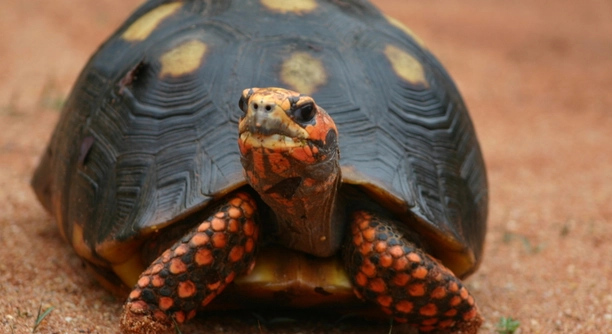
Red-footed tortoises are fascinating creatures with unique behaviors, and you might notice your pet opening and closing its mouth. This behavior can seem odd, but there are a few common reasons behind it that you should understand.
The most common reason for a red-footed tortoise opening and closing its mouth is respiratory issues, such as a respiratory infection. This behavior can also result from stress, discomfort, or the need to regulate temperature. It’s essential to monitor your tortoise’s overall health for any other symptoms.
Understanding the cause of this behavior will help you take the necessary steps to address it, ensuring your red-footed tortoise stays healthy and happy.
Possible Causes for Mouth Opening and Closing
If your red-footed tortoise keeps opening and closing its mouth, it’s important to look at possible reasons that could explain this behavior. Respiratory infections are a common cause of mouth-opening, often linked to issues like a runny nose, wheezing, or labored breathing. These infections can happen when there’s a draft in the environment or if the humidity and temperature levels aren’t regulated properly. Infections can also be aggravated by stress or poor diet, which weakens the immune system.
Stress is another factor. Tortoises are sensitive to changes in their surroundings. Loud noises, handling, or sudden temperature fluctuations can make them uneasy, leading to behaviors like mouth-opening. Even new tank mates or unfamiliar environments can trigger stress responses. You should watch your tortoise’s overall behavior for signs of stress.
Proper care is key to helping your tortoise stay healthy and comfortable. If the stress continues, consider adjusting their environment and habits. Maintaining a calm atmosphere can reduce the likelihood of such behaviors.
Monitoring Your Tortoise’s Health
Keeping track of your red-footed tortoise’s health is essential. Ensure they are in a stable environment with proper humidity and temperature.
A well-balanced diet that includes leafy greens and occasional fruits will support their immune system and overall health. If symptoms persist, it’s wise to consult a veterinarian to rule out any serious health concerns.
Respiratory Infections: What to Watch For
Respiratory infections are a leading cause of mouth-opening behavior. They often start with mild symptoms like slight wheezing or nasal discharge. If left untreated, these can worsen and affect your tortoise’s breathing patterns. In more severe cases, you might notice your tortoise becoming lethargic or not eating as much. These infections can be triggered by an inappropriate environment, such as poor ventilation, excess moisture, or sudden temperature shifts. The best prevention is to ensure your tortoise’s habitat is always within the ideal temperature range (75-85°F during the day and slightly cooler at night) and humidity levels are stable.
If you suspect a respiratory infection, it’s crucial to act quickly. A visit to the vet will likely involve an antibiotic treatment to help clear up the infection. Early intervention is important to prevent long-term damage and ensure a quick recovery for your tortoise.
Stress and Environmental Factors
Stress is another common reason why your red-footed tortoise might be opening and closing its mouth. Changes in its environment or routine can create anxiety.
When tortoises feel stressed, they may start showing unusual behaviors like repeated mouth movements. Factors like loud noises, sudden changes in temperature, or improper lighting can cause them distress. New pets, unfamiliar objects, or frequent handling can also trigger stress responses. It’s important to minimize these changes to create a calming space for your tortoise. Creating a stable environment can help reduce the frequency of mouth-opening behaviors.
A stressed tortoise may also show other signs, such as decreased appetite or lethargy. Ensure that its living space is peaceful, well-lit, and maintains a consistent temperature. Monitor your tortoise closely for any other unusual signs and adjust its habitat accordingly.
Overheating or Dehydration
If your tortoise is opening and closing its mouth, overheating or dehydration could be at fault. Both are serious and need quick attention.
Red-footed tortoises need access to both heat and cool areas to regulate their body temperature. If it gets too hot, it can stress the tortoise, causing it to open its mouth frequently to cool down. Dehydration can also contribute to similar behaviors, as they may try to compensate by opening their mouths. This is often seen when they don’t have enough fresh water or if they’re exposed to excessive heat without proper hydration.
Keeping a proper balance in temperature and providing constant access to fresh water are essential. Ensure your tortoise has a shaded area to retreat to when needed and avoid letting the tank get too hot.
Improper Diet
An improper diet can also lead to unusual mouth movements in red-footed tortoises. A lack of necessary nutrients can cause them to behave differently.
If your tortoise isn’t getting enough fiber or calcium, it may open and close its mouth more often. A balanced diet of leafy greens, fruits, and occasional protein is essential. Overfeeding high-protein foods like meat or eggs can also cause digestive issues, leading to discomfort and mouth-opening behavior.
Ensure you are providing the right mix of fresh vegetables and occasional fruits for variety. Include calcium-rich foods such as collard greens, and avoid too many high-protein items to prevent digestive issues.
Respiratory Issues from Poor Ventilation
Poor ventilation can worsen respiratory problems in tortoises. If the air is too stagnant or humid, it can affect their breathing.
Red-footed tortoises need well-ventilated enclosures to stay healthy. Without proper airflow, bacteria can thrive, leading to respiratory infections that cause mouth-opening behavior. Make sure the habitat has adequate ventilation to keep the air fresh and dry. Avoid using airtight tanks or overly humid environments to help prevent breathing issues.
Handling and Interaction
Frequent handling or being in stressful situations can cause your tortoise to open and close its mouth. Avoid excessive interaction.
Red-footed tortoises can get stressed when handled too much. If they feel threatened or uncomfortable, they may display mouth movements. Let your tortoise settle into its environment and avoid frequent picking up or rearranging its space. Allow it time to feel secure and confident in its surroundings.
FAQ
Why does my red-footed tortoise open and close its mouth?
Mouth-opening and closing in red-footed tortoises is often a sign of stress, discomfort, or health issues. Respiratory infections, dehydration, overheating, or environmental stress are common causes. It’s essential to monitor your tortoise’s behavior closely, paying attention to its habitat, diet, and overall health. If the behavior persists, consider consulting a veterinarian for a thorough checkup.
Can a red-footed tortoise’s mouth-opening behavior be caused by dehydration?
Yes, dehydration can cause mouth-opening behavior. Tortoises open their mouths to try to regulate their body temperature or in response to discomfort from not having enough water. Ensure your tortoise has constant access to fresh water, and keep humidity levels appropriate in its habitat to prevent dehydration.
How can I tell if my red-footed tortoise has a respiratory infection?
Signs of a respiratory infection in red-footed tortoises include mouth-opening, nasal discharge, wheezing, labored breathing, or a lack of appetite. If you notice any of these symptoms, it’s essential to visit a veterinarian promptly. Respiratory infections can worsen quickly if untreated and lead to more severe health problems.
Can stress make my red-footed tortoise open and close its mouth?
Yes, stress can trigger mouth-opening behavior. Tortoises are sensitive to changes in their environment, and new or loud surroundings, unfamiliar objects, or sudden changes in temperature can all be sources of stress. A calm and stable environment can help reduce stress and the associated behaviors.
What temperature should my red-footed tortoise’s enclosure be?
Red-footed tortoises thrive in temperatures between 75-85°F during the day. At night, the temperature should drop slightly to around 70°F. Ensuring these consistent temperature ranges can help prevent stress and discomfort. A basking spot should be provided with higher temperatures for your tortoise to regulate its body heat.
How often should I feed my red-footed tortoise?
Red-footed tortoises should be fed daily, but their diet should consist mainly of leafy greens, vegetables, and occasional fruits. A balanced diet, rich in fiber and calcium, is key to maintaining a healthy tortoise. Avoid overfeeding protein-rich foods, as they can lead to digestive issues.
Can poor ventilation cause mouth-opening behavior in my red-footed tortoise?
Yes, poor ventilation can cause respiratory problems, which in turn can lead to mouth-opening behavior. A tortoise’s habitat should be well-ventilated to prevent bacteria buildup and keep the air fresh. This helps prevent respiratory infections that could cause your tortoise to exhibit unusual behaviors, such as opening its mouth.
How can I prevent my red-footed tortoise from becoming stressed?
To prevent stress, create a stable and quiet environment for your tortoise. Limit handling, especially in the first few weeks of its arrival. Keep the enclosure away from loud noises or excessive activity. Ensure the habitat has the correct temperature and humidity levels, and avoid making sudden changes to its surroundings.
What are the signs of overheating in a red-footed tortoise?
Overheating can cause a red-footed tortoise to open and close its mouth frequently. Other signs include lethargy, lack of appetite, or even a lethargic appearance. If your tortoise seems to be overheating, move it to a cooler area and ensure that its enclosure has shaded spots to regulate temperature effectively.
Is it normal for my red-footed tortoise to open its mouth occasionally?
It’s normal for tortoises to open their mouths from time to time, especially when adjusting their temperature or breathing. However, if the behavior becomes repetitive or is accompanied by other signs like a runny nose or wheezing, it may indicate a health problem that needs attention.
How do I know if my tortoise’s mouth-opening behavior is due to illness or just behavior?
If your tortoise’s mouth-opening is frequent and accompanied by other symptoms like lethargy, lack of appetite, or labored breathing, it’s likely due to illness. If it’s only an occasional behavior without other concerning signs, it might just be a normal response to environmental factors like temperature regulation.
What type of humidity does my red-footed tortoise need?
Red-footed tortoises require a humidity level between 70-80%. Too little humidity can lead to dehydration and mouth-opening behavior. You can monitor humidity levels using a hygrometer and make adjustments by adding a water dish, misting the enclosure, or using a humidifier to maintain the proper levels.
Can handling my red-footed tortoise too much cause stress?
Yes, frequent handling can cause stress in red-footed tortoises, especially if they are not accustomed to being touched. This stress can lead to behaviors like mouth-opening. Limit handling and allow your tortoise to adjust to its environment before interacting with it regularly. Keep handling to a minimum unless necessary for care or cleaning.
Why is my red-footed tortoise not eating, but still opening its mouth?
A red-footed tortoise that is not eating but still opening its mouth may be experiencing stress, health issues, or environmental discomfort. It could also be a sign of a respiratory infection or dehydration. If the lack of appetite continues, it’s important to consult with a veterinarian for a proper diagnosis and treatment.
Is it okay to feed my red-footed tortoise fruit every day?
No, fruit should not be the main part of your red-footed tortoise’s diet. While tortoises enjoy fruit, it should only be offered occasionally as a treat. Focus on providing leafy greens, vegetables, and calcium-rich foods. Too much fruit can lead to digestive issues due to its high sugar content.
Final Thoughts
Understanding why your red-footed tortoise opens and closes its mouth can help you address potential health or environmental concerns. It’s important to keep a close eye on its behavior, as this action can sometimes indicate underlying issues like dehydration, respiratory infections, or stress. In some cases, it might simply be a normal reaction to temperature or humidity changes, but it’s always worth monitoring. Being attentive to your tortoise’s habits and environment can make a big difference in its overall well-being.
Ensuring that your tortoise’s enclosure is well-maintained, with appropriate temperature, humidity, and ventilation, can prevent many of the issues that cause mouth-opening behavior. Stress and environmental discomfort can lead to this action, so creating a stable, quiet, and comfortable environment is crucial. Remember that a balanced diet, proper hydration, and a suitable habitat will go a long way in keeping your red-footed tortoise healthy and happy. If the behavior continues or worsens, don’t hesitate to consult a veterinarian for further advice or treatment.
Finally, always be patient and consistent with your tortoise’s care routine. Red-footed tortoises are sensitive creatures, and small changes in their environment can have an impact. With the right care, they can thrive for many years. Whether it’s adjusting the temperature or addressing a health concern, your attention to detail will help ensure that your tortoise stays comfortable and healthy. Regular observation, proper maintenance of its habitat, and an understanding of its needs are key to keeping your red-footed tortoise in the best condition possible.

Hello,
If you enjoy the content that we create, please consider saying a "Thank You!" by leaving a tip.
Every little bit helps us continue crafting quality advice that supports the health, happiness, and well-being of pets around the world, for pets of all shapes, sizes, and species.
We really appreciate the kindness and support that you show us!