
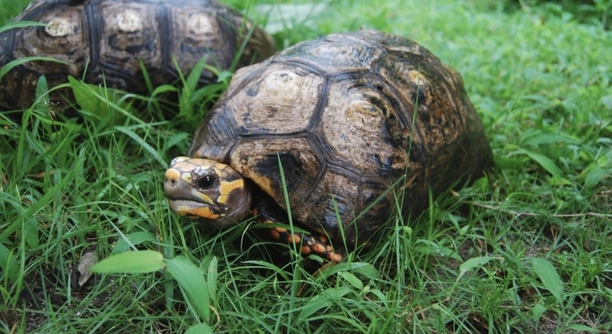
Red-footed tortoises are fascinating pets, often displaying unique behaviors that may leave you wondering what they mean. One such behavior is the squeaky noises they sometimes make. Understanding these sounds can be helpful for their care.
The squeaky noises your red-footed tortoise makes are typically due to stress, discomfort, or communication. This could be related to environmental factors such as temperature, humidity, or even the presence of other animals.
Learning about these sounds can help you ensure your tortoise remains comfortable and happy. Knowing what to look for will improve both your pet’s well-being and your understanding of its needs.
Why Do Red-Footed Tortoises Make Noises?
Red-footed tortoises are known for their distinct behaviors, and squeaky noises are one of them. These tortoises are generally quiet, but when they do make sounds, it can be surprising. The noises they produce can range from squeaks to grunts, and each may have different meanings. It’s important to recognize when a tortoise is making these sounds because it could be a sign that something is wrong. A squeaky noise might indicate discomfort, stress, or even an attempt at communication. By understanding these sounds, you can create a better environment for your pet and address any underlying concerns that might be causing the noises. A calm, comfortable tortoise will make fewer noises, so it’s worth paying attention to their behavior and surroundings.
Sometimes, these sounds are related to the tortoise trying to express emotions, whether it’s frustration or stress. Other times, it might just be part of their natural communication.
It’s crucial to observe your tortoise’s behavior and surroundings to pinpoint what could be causing the noise. These creatures thrive in specific environments, and small changes could make a big difference in their comfort level. Factors such as the right temperature, humidity, and even the presence of other animals can all contribute to how your tortoise behaves. If the environment isn’t just right, your tortoise may make noises to express its discomfort. Ensuring that your tortoise’s habitat is clean and the correct temperature can go a long way in minimizing these sounds. In some cases, squeaky noises might also indicate that your tortoise is adjusting to a new environment or is in the process of finding its territory.
Stress and Discomfort
When red-footed tortoises are stressed, they may start making unusual sounds. Stress can be caused by a number of factors, such as overcrowding, loud noises, or changes in their surroundings.
Understanding stress-related noises requires a closer look at their habitat. Tortoises need their space, and being in a confined area or with other animals can make them uneasy. If there are frequent sounds coming from your tortoise, it may be an indication that something in its living environment isn’t right. Check if the enclosure is large enough and whether there are places for the tortoise to retreat when it feels overwhelmed. A lack of hiding spots can lead to stress, making it more likely for the tortoise to vocalize. Additionally, consider the lighting and noise levels in the area where the tortoise lives. Bright lights or excessive sound can also lead to discomfort. If there are multiple tortoises or other pets nearby, this could also be a factor in the stress your tortoise is feeling.
Creating a more peaceful environment, with proper hiding places, the right lighting, and minimal noise, could help reduce squeaky sounds. Proper care and attention to these details can ensure your tortoise is happier and less stressed.
Environmental Factors
The environment plays a key role in how your red-footed tortoise behaves. Noises may stem from their discomfort with temperature, humidity, or even lighting.
Temperature is one of the most critical factors affecting your tortoise’s comfort. If the habitat is too cold or too hot, the tortoise may feel stressed, leading to noises. Red-footed tortoises need a temperature range of 75 to 85°F (24 to 29°C) for optimal health. A basking area should be warmer, around 90°F (32°C), to ensure they can properly regulate their body temperature. Humidity levels also matter greatly. Red-footed tortoises require moderate humidity, around 70-80%, to stay comfortable and healthy. If the environment is too dry, it may cause stress, which can trigger squeaky noises. A simple humidity gauge can help monitor this aspect. Finally, ensure that the light is not too bright or harsh, as it may make your tortoise feel unsettled, especially during their resting periods.
Keep these environmental factors in check to help reduce unnecessary stress and the resulting sounds. A well-balanced, comfortable habitat will encourage your tortoise to remain calm and quiet.
Social Interactions
Red-footed tortoises can be sensitive to their social environment. They may become vocal if they feel threatened or isolated.
These tortoises are generally solitary creatures, but they may still need companionship or the presence of familiar animals to feel at ease. When they are placed in an unfamiliar social environment or live with other animals that make them uncomfortable, they may express this through noises. Squeaking could indicate that the tortoise is stressed due to a perceived threat or is trying to communicate its discomfort. Overcrowding or forcing interactions with other animals that don’t get along can also cause unnecessary stress. It’s important to pay attention to your tortoise’s body language to better understand how they’re feeling. If the tortoise is retreating into its shell or staying in a corner, it may feel unsafe or overwhelmed. Recognizing these signs early can prevent the situation from escalating into more frequent vocalizations.
By providing enough space and ensuring your tortoise has a safe, private space, you can reduce any stress caused by social factors and the accompanying noises.
Health Concerns
A red-footed tortoise making squeaky noises might be a sign of an underlying health issue. If your tortoise is vocalizing more than usual, it’s important to check for signs of illness or injury.
Respiratory infections or shell problems could be contributing factors. When tortoises have respiratory infections, they might make strange noises while trying to breathe. Look for signs like wheezing, nasal discharge, or lethargy. Similarly, issues with the shell, such as cracks or infections, can also cause discomfort. If the tortoise is suffering from any injury, it may vocalize due to pain. Always check your tortoise for visible signs of injury or discomfort.
If the tortoise is showing any signs of poor health, consult a veterinarian experienced with reptiles. Health issues should always be addressed promptly to ensure your tortoise’s well-being.
Feeding Habits
Your red-footed tortoise’s squeaky noises might also be related to its feeding habits. An inadequate diet can result in discomfort or stress.
Improper nutrition could lead to gastrointestinal issues or nutritional deficiencies, causing the tortoise to make noises. For example, if your tortoise is having trouble digesting food, it may feel bloated or uncomfortable, leading to vocalizations. Ensuring a balanced diet that includes leafy greens, fruits, and the occasional protein will help prevent digestive discomfort. Be sure to avoid overfeeding, as this can also cause discomfort and increase the likelihood of stress.
A healthy, well-rounded diet supports your tortoise’s overall well-being and can help reduce unnecessary stress-related sounds.
Shell Care
Squeaky sounds can sometimes come from the discomfort associated with an improperly maintained shell. A neglected shell can cause irritation or pain.
Regularly inspecting your tortoise’s shell for cracks or signs of damage is essential. Dry or flaky shells are also common in poorly maintained environments. Ensuring the shell is hydrated, and that it gets enough calcium, will support the health of the tortoise’s shell and reduce discomfort.
FAQ
Why is my red-footed tortoise making squeaky noises?
Squeaky noises from your red-footed tortoise can be a sign of stress, discomfort, or communication. Environmental factors, like improper temperature or humidity, can cause discomfort and lead to these sounds. Health issues, such as respiratory infections or digestive problems, can also be the cause. Pay attention to other signs like lethargy, poor appetite, or nasal discharge to determine if health is the issue. A sudden change in the tortoise’s surroundings or social situation may also cause it to vocalize.
Is it normal for red-footed tortoises to make sounds?
Red-footed tortoises are generally quiet animals, so it’s not very common for them to make noticeable sounds. They may, however, squeak or grunt occasionally, especially in response to stress or discomfort. If these noises are frequent or louder than usual, it could be an indication that something is bothering them. Keep a close eye on their behavior to ensure they are not in distress.
Can temperature affect the noises my tortoise makes?
Yes, temperature plays a significant role in your tortoise’s behavior. If the temperature in the enclosure is too high or too low, it can cause stress and make your tortoise vocalize. Red-footed tortoises need a warm environment to thrive, with a basking area that is around 90°F (32°C) and a cooler area around 75-85°F (24-29°C). If your tortoise is exposed to temperatures outside this range, it may make squeaky noises as a way to express discomfort.
How can humidity levels affect my tortoise’s health?
Humidity is crucial for red-footed tortoises because they are native to tropical regions. If the humidity in their environment is too low, they may experience skin shedding problems, dehydration, or respiratory issues, all of which can cause stress and result in vocalizations. Keeping the humidity level between 70% and 80% will help keep your tortoise comfortable and healthy. Use a humidity gauge to monitor the levels, and if necessary, increase humidity using a spray bottle or humidifier.
What should I do if my tortoise is squeaking due to stress?
If you notice your tortoise is squeaking because of stress, start by evaluating its environment. Check for overcrowding, loud noises, or other animals that may be causing anxiety. Ensure that it has enough space to roam and that it has hiding spots where it can feel safe. A sudden change in surroundings or routine can also cause stress, so try to keep things consistent. Adjusting the temperature and humidity may also help reduce stress. If these changes don’t help, you may want to consult a veterinarian.
How do I know if my tortoise is making noises because it is sick?
If your tortoise is making squeaky noises due to illness, it’s likely showing other symptoms as well. Common signs of illness include nasal discharge, wheezing, lethargy, loss of appetite, or changes in behavior. If you notice any of these symptoms, it’s important to take your tortoise to a vet who specializes in reptiles. Health problems like respiratory infections, shell infections, or digestive issues can cause discomfort, leading your tortoise to vocalize more than usual.
Can social interactions cause my tortoise to make noises?
Yes, red-footed tortoises can make sounds as a response to social interactions, especially if they feel threatened or uncomfortable. They are naturally solitary creatures and may not enjoy being around other tortoises or pets, especially if they don’t know them well. Overcrowding or forced interaction with other animals can lead to stress and vocalizations. Provide your tortoise with enough space and allow it to approach other animals at its own pace. If your tortoise is making noises in response to social interactions, giving it some alone time could help.
What role does diet play in the noises my tortoise makes?
Diet plays an important role in your tortoise’s overall comfort. An imbalanced diet can lead to digestive issues, which may make your tortoise vocalize due to discomfort. Ensure that your red-footed tortoise receives a variety of leafy greens, fruits, and occasional protein to support its health. Overfeeding or feeding the wrong types of food can cause digestive problems, making your tortoise feel bloated or unwell. A proper diet can help prevent these issues and reduce unnecessary squeaky noises.
How do I maintain a healthy shell for my tortoise?
A healthy shell is essential for your tortoise’s well-being and comfort. To maintain a healthy shell, ensure that your tortoise is getting enough calcium and vitamin D3, which are necessary for strong shell growth. Provide a balanced diet that includes calcium-rich foods, such as dark leafy greens. Additionally, monitor the humidity levels in the enclosure to prevent the shell from drying out. Regularly inspect your tortoise’s shell for cracks, lesions, or signs of infection. If you notice any damage or abnormalities, contact a vet for advice on treatment.
Should I worry if my tortoise is making noises at night?
If your tortoise is making noises at night, it could be due to its environment or behavior. Some tortoises become more active during the evening or night, especially if they are in an enclosure that is too small or poorly designed. Ensure that the enclosure has plenty of space for your tortoise to move around and access food and water at any time. If the noise is persistent, it may indicate discomfort from the environment or a need for more nighttime privacy. Reducing external stressors or adjusting the lighting in the enclosure can help create a more restful environment.
What are the signs that my tortoise is in pain?
Signs that your tortoise is in pain may include changes in behavior, such as lethargy, hiding, or avoiding movement. If your tortoise is vocalizing and you suspect it’s in pain, look for physical signs like limping, swollen limbs, or difficulty moving. In severe cases, your tortoise may be unwilling to eat or drink. Pain may also result from injury, shell problems, or internal health issues. If you observe any of these symptoms, it’s important to consult with a reptile veterinarian as soon as possible to diagnose and treat the problem.
Final Thoughts
Understanding the reasons behind your red-footed tortoise’s squeaky noises is crucial for ensuring its well-being. While tortoises are generally quiet, these noises are often a sign that something isn’t right in their environment or health. The noises may be caused by stress, discomfort, or even illness, so paying attention to your tortoise’s behavior and surroundings is important. The key to addressing this issue lies in observing what might be affecting your tortoise and making necessary adjustments to its habitat or care routine.
Many factors can influence a tortoise’s behavior. Environmental conditions, such as temperature, humidity, and space, are vital to keeping your tortoise comfortable. A proper temperature range of 75 to 85°F (24-29°C) and adequate humidity are essential for your tortoise’s health. Additionally, ensuring that your tortoise’s living space is large enough and has places for it to hide and feel safe can help reduce stress. If your tortoise feels comfortable in its environment, it is less likely to make excessive noises. Taking the time to set up the right habitat will go a long way in reducing squeaky sounds.
Lastly, always keep an eye on your tortoise’s health. If environmental factors are in check and your tortoise continues to make squeaky noises, it might be due to an underlying health issue. Respiratory infections, digestive problems, or even shell injuries can cause discomfort that leads to vocalizations. Regular checks and visits to the vet can help address health concerns before they escalate. Providing a balanced diet and proper care is essential for keeping your tortoise happy and healthy. By being mindful of these factors, you can create a more peaceful and comfortable environment for your tortoise, which will ultimately minimize unnecessary noises and ensure a higher quality of life for your pet.

Hello,
If you enjoy the content that we create, please consider saying a "Thank You!" by leaving a tip.
Every little bit helps us continue crafting quality advice that supports the health, happiness, and well-being of pets around the world, for pets of all shapes, sizes, and species.
We really appreciate the kindness and support that you show us!