
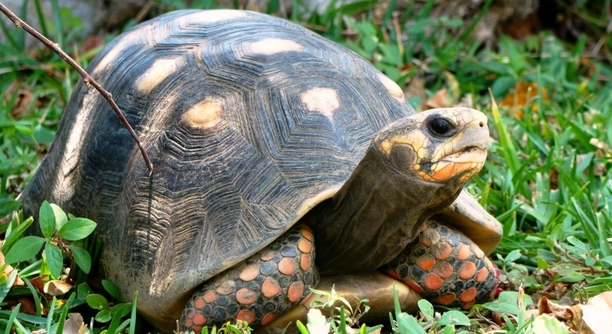
Red-footed tortoises are fascinating creatures with unique behaviors, and one of those behaviors involves making hissing sounds. It’s important to understand why this happens to ensure their well-being and address any concerns you might have.
Red-footed tortoises may hiss as a form of communication or stress response. This sound often occurs when they feel threatened, annoyed, or are adjusting to their environment. It can also happen during interactions with other animals.
Learning more about these behaviors helps you better care for your tortoise. It’s essential to consider different factors like their environment, stress levels, and health to provide the best care.
Common Reasons for Hissing Sounds in Red-Footed Tortoises
One common reason for a red-footed tortoise to hiss is when they feel threatened or stressed. These tortoises, like many animals, use hissing as a way to communicate discomfort. If they perceive danger, whether from a predator, another animal, or even humans, they may hiss as a warning. It’s their way of saying, “Stay away!” This behavior is completely natural and part of their defense mechanism. The hissing can also occur when they’re being handled too roughly or if they don’t feel comfortable in their environment.
Their hissing might also be a result of being introduced to new surroundings or animals. Tortoises are creatures of habit, so when their territory is disturbed, it can make them anxious.
Understanding the cause of your tortoise’s behavior can help you adjust their environment. Providing a safe and secure space for them to relax can reduce stress. Avoid handling them too much and give them time to adapt to any changes.
Temperature and Humidity Factors
Changes in temperature and humidity can also play a big role in a tortoise’s hissing behavior. Red-footed tortoises thrive in warm, humid conditions. If the temperature drops or the humidity levels are too low, your tortoise may become stressed and vocalize. They will hiss to express their discomfort, as they rely on specific environmental conditions to stay healthy.
Properly adjusting their habitat is crucial for keeping your red-footed tortoise happy. Ensure they have a heat source, such as a basking lamp, and monitor humidity levels with a hygrometer. By maintaining the right balance, you can prevent your tortoise from feeling uncomfortable and help reduce unnecessary stress.
Stress and Anxiety in Red-Footed Tortoises
When a red-footed tortoise is stressed, it may hiss as a response. They’re naturally shy and prefer routine, so changes in their environment can cause anxiety. This could include anything from loud noises to new animals or sudden movements. Hissing is a sign they’re feeling overwhelmed.
If your tortoise is constantly hissing, it’s important to look for sources of stress in their habitat. A sudden change in the room, a new pet, or a noisy environment can create discomfort. Ensure their space is quiet, stable, and safe. Reducing these stressors will help your tortoise feel more secure and less likely to hiss.
Also, avoid over-handling them. Tortoises can be easily stressed by too much physical interaction, especially if they’re not used to it. Let them move at their own pace and be patient when they need time to adapt.
Health Issues and Hissing Sounds
In some cases, hissing can be a sign of health problems. If your red-footed tortoise is not feeling well, it may vocalize more than usual. Respiratory infections, for example, can cause them to make sounds as they struggle to breathe properly. If their hissing seems accompanied by other symptoms like lethargy, a lack of appetite, or nasal discharge, it’s best to get them checked by a vet.
A respiratory issue can quickly worsen if untreated, so it’s essential to catch these signs early. Ensure their living environment stays warm and dry, as these conditions can help prevent respiratory infections. If you notice your tortoise hissing in combination with other concerning behaviors, take them to a vet for a thorough examination.
Regular check-ups will also help keep your tortoise healthy in the long run. Healthy tortoises are much less likely to hiss due to illness, and keeping their habitat clean and safe can minimize health risks.
The Role of Feeding in Hissing Behavior
Red-footed tortoises may hiss when they’re hungry or frustrated during feeding time. If they’re not getting enough food, or if there’s competition for resources, they might become vocal. This can be a sign they’re not content with their feeding environment.
Make sure to provide enough food and offer it in a quiet, safe space. Avoid feeding them in areas where they feel threatened by other animals. A consistent feeding routine will help keep them calm and reduce any unnecessary stress that could lead to hissing.
Handling and Interaction
Excessive handling can also lead to hissing sounds. Tortoises are not always comfortable with being picked up or held. If they feel restricted or threatened during interaction, they may hiss as a sign to back off.
Let your tortoise roam freely and handle them gently. Limit physical interaction, and avoid holding them for long periods. This will help them feel more secure and less likely to vocalize in discomfort.
FAQ
Why does my red-footed tortoise hiss when I pick it up?
When you pick up your red-footed tortoise, it may hiss because it feels threatened or uncomfortable. Tortoises don’t enjoy being handled much and may become stressed when they’re lifted. They prefer to move at their own pace and may see being picked up as an act of aggression or a sign of danger. It’s best to handle them gently and for short periods, ensuring they feel secure and are not startled. If they continue to hiss, it’s a sign they need space and should not be picked up frequently.
Can my red-footed tortoise hiss when it’s in pain?
Yes, red-footed tortoises may hiss when they are in pain. This could be due to injury, illness, or discomfort. If the hissing is accompanied by other signs, like difficulty moving, lack of appetite, or changes in behavior, it’s important to take your tortoise to the vet for an evaluation. Hissing due to pain should not be ignored, as it could indicate a health issue that needs immediate attention.
How can I tell if my red-footed tortoise is stressed?
Stress in red-footed tortoises often leads to hissing, but there are other signs to watch for. A stressed tortoise may become more withdrawn, avoiding food or not moving around as much. It may also hide more frequently or show aggression toward other animals. Monitoring their behavior closely, especially when changes occur in their environment, will help you spot stress early. Ensuring they have a stable and quiet environment can help reduce these stress factors.
Is it normal for my red-footed tortoise to hiss at other animals?
It is normal for a red-footed tortoise to hiss at other animals, especially if it feels threatened. This behavior is a natural defense mechanism. If a new animal is introduced to their habitat or if they feel crowded, they may hiss as a warning. Ensure that their space is large enough for them to feel comfortable and that they’re not feeling cornered or threatened by other animals. If you’re introducing a new pet, take it slow to allow the tortoise time to adjust.
How can I reduce hissing in my red-footed tortoise?
To reduce hissing in your tortoise, start by ensuring their environment is calm and stable. Avoid sudden changes or loud noises around them, and give them plenty of space to roam. Also, try not to handle them too much. Provide consistent temperatures and humidity levels, and make sure their diet is balanced. Stress from environmental changes, overhandling, or competition for food are the main triggers for hissing, so making these adjustments can help reduce the behavior.
Should I be worried if my tortoise hisses every time I feed it?
If your red-footed tortoise hisses every time you feed it, it might be a sign of frustration or territorial behavior. It may be trying to establish dominance over the food or it may feel the need to protect its meal. Ensure that it has enough space to eat in peace and that no other pets are competing for its food. It might help to feed them in a quiet, secure area where they can eat without distractions or stress.
Is hissing a sign of aggression in red-footed tortoises?
Hissing can sometimes be a sign of aggression, but it is often more of a defensive response. When a tortoise hisses, it is typically trying to communicate that it feels threatened or uneasy. While hissing can be linked to aggression, it is generally not a direct threat, but rather a way for the tortoise to protect itself. Pay attention to the context in which the hissing occurs; if it is accompanied by other aggressive behaviors like biting or charging, it might indicate more serious aggression.
Can a red-footed tortoise’s hissing be caused by improper diet?
Yes, an improper diet can cause stress in red-footed tortoises, which may lead to hissing. A poor diet can lead to nutritional deficiencies, making your tortoise feel uncomfortable or unwell. This discomfort can trigger hissing as a form of communication. Ensure that your tortoise is getting the right balance of fruits, vegetables, and other essential nutrients. Consult with a vet or tortoise care guide to make sure their diet is appropriate.
What is the best way to calm a red-footed tortoise that hisses a lot?
To calm a red-footed tortoise that hisses frequently, focus on creating a calm, stable environment. Minimize handling, especially if it seems to cause stress. Keep their habitat quiet, avoid sudden temperature changes, and provide a secure space for them to retreat to when they need solitude. Additionally, make sure they’re not experiencing any discomfort or pain. If the hissing persists, a vet visit may be necessary to rule out health issues.
Do red-footed tortoises hiss at humans?
Yes, red-footed tortoises can hiss at humans, especially if they feel threatened, frightened, or stressed. They might hiss if they’re startled or if they feel cornered. It’s important to approach your tortoise calmly and allow it time to get used to your presence. Regular, gentle handling can help build trust, but never force interaction. If they continue to hiss, it’s a sign they need more space and time to adjust.
Final Thoughts
Red-footed tortoises are unique and fascinating creatures, and understanding their behavior, including why they hiss, can help create a better environment for them. Hissing is often a form of communication, whether it’s from stress, discomfort, or a desire to be left alone. It’s important to recognize the context in which the hissing occurs to address the underlying cause. Whether your tortoise is reacting to a new environment, temperature changes, or stress from handling, understanding these triggers is key to reducing unwanted behavior.
Providing a stable, calm, and secure habitat is essential to minimize hissing. Tortoises thrive in environments where they feel safe, with consistent temperature, humidity, and space. Overhandling or placing them in situations where they feel threatened can lead to more hissing as a sign of distress. Being mindful of their needs, and giving them time to adjust to any changes in their environment, can help them feel more at ease and reduce vocalizations. Ensuring they have enough food, the right temperature, and a stress-free environment is often the solution to these behaviors.
If your red-footed tortoise continues to hiss despite making changes to its habitat or handling routine, it may be worth consulting with a vet. There could be underlying health issues causing discomfort, such as respiratory infections or other physical ailments. Regular vet check-ups will help monitor their health and address any potential problems early. With proper care, attention, and a little patience, your red-footed tortoise can thrive and feel more comfortable in its home, minimizing the need for hissing.

Hello,
If you enjoy the content that we create, please consider saying a "Thank You!" by leaving a tip.
Every little bit helps us continue crafting quality advice that supports the health, happiness, and well-being of pets around the world, for pets of all shapes, sizes, and species.
We really appreciate the kindness and support that you show us!