
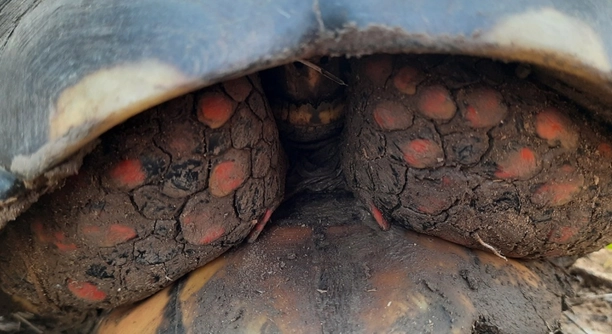
Do you ever notice your red-footed tortoise kicking its legs and wonder what might be causing this behavior? Understanding why your pet is acting this way can help you determine if something needs your attention.
Red-footed tortoises kick their legs for various reasons, including discomfort, irritation, stress, or an attempt to adjust their body position. It can also be a response to environmental factors like improper substrate, temperature, or even parasites affecting their skin.
There is more to this behavior than meets the eye, and recognizing the cause is essential for your tortoise’s well-being. Learning about the possible reasons will help you create a comfortable and stress-free habitat for your pet.
Common Reasons for Leg Kicking
Red-footed tortoises may kick their legs due to irritation, discomfort, or stress. If their enclosure has rough or uneven surfaces, they might be trying to adjust their position. Sometimes, kicking is a reaction to an itchy or irritated area caused by dry skin or parasites. If your tortoise is shedding, this behavior might be its way of loosening old skin. Another possibility is that something is stuck under its shell, causing it to react by kicking. Additionally, poor temperature or humidity levels can lead to restlessness and unusual movements. Ensuring the right conditions can help reduce this behavior.
It is important to observe when and how often your tortoise kicks its legs. If it happens occasionally, it may not be a concern. However, frequent kicking could indicate discomfort or an underlying health issue that needs attention.
Checking for signs of irritation, dryness, or stuck debris can help you identify the cause. If you notice excessive kicking, make sure the substrate is soft and comfortable. Providing a proper humidity level can also prevent dry skin. If the behavior continues, a vet visit may be necessary to rule out infections or parasites. Keeping an eye on environmental factors is key to keeping your tortoise comfortable.
When to Be Concerned
If your tortoise kicks its legs constantly, something may be wrong. Prolonged kicking can signal stress, pain, or an infection. Identifying the reason early can prevent further discomfort and ensure your pet stays healthy.
A common cause of persistent leg kicking is an improper enclosure setup. If the temperature is too low, your tortoise may struggle to move properly, leading to excessive kicking. Similarly, high humidity or dirty substrate can cause skin irritation, making your tortoise react by trying to scratch itself. Parasites, like mites, can also be an issue. These tiny pests can cause constant itching, leading to repeated leg movements.
If you have ruled out environmental causes, an internal issue might be to blame. Some tortoises kick their legs when experiencing digestive discomfort, such as gas or constipation. A lack of hydration and improper diet can contribute to these issues. If your tortoise is lethargic, has swelling, or refuses to eat, a veterinary check-up is recommended. Making small adjustments to diet, hydration, and habitat cleanliness can go a long way in keeping your tortoise comfortable and preventing unnecessary stress.
How to Help Your Tortoise
Making sure your tortoise’s enclosure is set up correctly can prevent unnecessary leg kicking. The substrate should be soft and easy to burrow in, and the temperature and humidity levels should match its natural habitat to avoid discomfort or stress.
If dry skin is causing irritation, misting your tortoise’s enclosure daily can help maintain proper humidity. Providing a shallow water dish allows for soaking, which helps keep the skin hydrated. If the kicking seems related to an object stuck under the shell, gently checking and removing any debris can solve the issue. Parasites like mites may require a vet-recommended treatment.
If stress is a factor, keeping the environment quiet and minimizing handling can make a difference. Some tortoises become restless when they feel threatened or overstimulated. Ensuring they have hiding spots and a predictable routine helps them feel safe. If the behavior continues despite these changes, a vet visit may be necessary.
Adjusting Diet and Hydration
Dehydration can lead to discomfort, which sometimes results in leg kicking. Ensuring your tortoise has constant access to fresh water and hydrating foods like leafy greens can prevent this issue. A lack of fiber in the diet may also cause digestive discomfort, leading to restlessness and unusual movements.
A balanced diet is essential for overall health. Red-footed tortoises thrive on a mix of leafy greens, fruits, and occasional protein sources like worms. Foods high in fiber, such as dandelion greens and hibiscus leaves, help support digestion and prevent constipation. Hydrating foods like cucumbers and melons can also contribute to proper hydration levels.
If your tortoise struggles with digestion, offering a warm water soak for about 20 minutes can encourage bowel movements. Ensuring a proper calcium-to-phosphorus ratio in the diet supports muscle function and prevents cramping. By maintaining good hydration and a well-balanced diet, you can reduce discomfort and help your tortoise feel more at ease.
Checking for Health Issues
If your tortoise kicks its legs frequently, checking for signs of illness is important. Swollen limbs, lethargy, or changes in appetite can indicate an underlying issue. Respiratory infections, metabolic bone disease, or parasites may cause discomfort, leading to repeated leg movements. A vet visit may be necessary for proper diagnosis.
Injuries can also lead to unusual movements. Cuts, scrapes, or swelling around the legs may make your tortoise react by kicking. If an injury is visible, keeping the area clean and monitoring for signs of infection is essential. If the wound worsens or your tortoise shows signs of pain, professional care is recommended.
Improving the Enclosure Setup
A spacious enclosure allows for natural movement and reduces stress-related behaviors. The substrate should be soft and deep enough for burrowing, while the basking area should maintain a temperature of 90–95°F. Proper lighting with UVB exposure is essential for calcium absorption and overall health.
Monitoring Behavior Changes
Sudden changes in behavior can indicate stress, discomfort, or environmental issues. Keeping track of when and how often your tortoise kicks its legs can help identify patterns. Small adjustments to diet, hydration, and enclosure setup can make a big difference in your tortoise’s comfort and well-being.
FAQ
Why is my red-footed tortoise kicking its legs?
Kicking may be a way for your tortoise to relieve irritation or discomfort. This could be due to dry skin, stuck debris, or something in the environment causing stress. It’s also possible that your tortoise is adjusting its position or attempting to scratch an itch. Environmental factors like improper substrate or humidity levels can cause restlessness.
Can a dirty enclosure make my tortoise kick its legs?
Yes, a dirty or improperly maintained enclosure can contribute to leg kicking. Dirty bedding or substrate can irritate your tortoise’s skin, leading to unnecessary movement. Additionally, high humidity or poor ventilation can cause skin problems that may result in leg kicking. Regular cleaning of the enclosure and maintaining proper humidity is essential to preventing discomfort.
Should I be worried if my tortoise kicks its legs often?
Frequent leg kicking might indicate a more significant problem, especially if it’s paired with other symptoms like lethargy, loss of appetite, or swollen limbs. If you notice that the kicking persists despite adjusting the enclosure, diet, and environment, it’s a good idea to consult with a vet to rule out health concerns such as infections, parasites, or injury.
What should I do if my tortoise is kicking its legs because of irritation?
If you think irritation is the cause, check for dry skin or stuck debris under your tortoise’s shell. You can gently remove any objects and ensure the substrate is clean and soft. Increasing humidity in the enclosure by misting it daily or providing a shallow water dish may help soothe irritated skin. If the problem persists, consider taking your tortoise to the vet.
Can parasites cause my tortoise to kick its legs?
Yes, parasites like mites can cause itching or irritation, which may lead to your tortoise kicking its legs. If you suspect mites or any other external parasites, a visit to the vet is essential. They can diagnose the issue and recommend proper treatment. Regularly cleaning the enclosure and monitoring your tortoise’s health can help prevent parasite infestations.
How can I tell if my tortoise is stressed?
Stress can manifest in various ways, including excessive movement like leg kicking, hiding more than usual, or a loss of appetite. A stressed tortoise may also become more aggressive or restless. Common stressors include poor enclosure conditions, overcrowding, loud noises, or lack of hiding spaces. Ensuring a calm, quiet environment with a proper setup can help reduce stress levels.
What are the signs that my tortoise is in pain?
If your tortoise is in pain, it might display changes in behavior, such as not moving as much, not eating, or showing signs of aggression. You might also notice swelling, limping, or a refusal to bask. If you suspect pain, it’s important to check for injuries and consult with a vet to determine the cause.
Can improper diet cause my tortoise to kick its legs?
An improper diet can lead to digestive issues, dehydration, and discomfort, all of which might result in leg kicking. Make sure your tortoise is getting a balanced diet rich in leafy greens, fruits, and adequate calcium. Dehydration, in particular, can cause discomfort, so offering water and hydrating foods is crucial.
How often should I clean my tortoise’s enclosure?
You should clean your tortoise’s enclosure regularly to prevent bacteria build-up and ensure a healthy environment. Spot clean daily to remove waste and uneaten food, and do a thorough cleaning every couple of weeks. This will help keep the enclosure hygienic and reduce the risk of irritation that may lead to leg kicking.
Is there a way to stop my tortoise from kicking its legs?
To reduce leg kicking, focus on adjusting the environment. Ensure the substrate is comfortable, humidity levels are correct, and there are no irritants in the enclosure. Regular baths or soaks can help with skin hydration. If your tortoise continues to kick its legs despite environmental changes, a vet visit is recommended to rule out any health issues.
Can my tortoise’s shell cause it to kick its legs?
If there is something stuck on or under your tortoise’s shell, it may try to kick its legs to remove it. Check the shell for any debris, and make sure there’s nothing lodged that could be causing discomfort. Regular cleaning of the shell can help prevent this type of irritation.
Does leg kicking indicate a specific illness?
While leg kicking can be caused by environmental factors like irritation or discomfort, it may also be a symptom of certain health issues. If the kicking is persistent, accompanied by lethargy, lack of appetite, or swelling, it could point to an illness or injury. In such cases, it’s best to seek professional care to properly diagnose the problem.
How can I tell if my tortoise is too hot or too cold?
Temperature extremes can make your tortoise uncomfortable and lead to abnormal behavior. If your tortoise is too hot, it may become lethargic or seek cooler areas. If it’s too cold, it might display sluggish movements and avoid basking. Maintain a temperature range of 80-90°F for most of the enclosure, with a basking spot reaching 90-95°F.
What are the best ways to keep my tortoise hydrated?
Keeping your tortoise hydrated is important for its overall health. Provide a shallow water dish for soaking and mist the enclosure regularly to maintain humidity. Hydrating foods like cucumbers, watermelon, and leafy greens are also beneficial. Regular soaks in warm water can help keep your tortoise’s skin and digestive system hydrated.
Should I try to stop my tortoise from kicking its legs?
If your tortoise is kicking its legs, it’s important to first identify the cause. In some cases, it’s a natural behavior that doesn’t require intervention. However, if the kicking is constant or accompanied by other signs of distress, it’s worth investigating environmental factors or health issues. Adjusting its environment or consulting a vet can help if necessary.
Final Thoughts
Understanding why your red-footed tortoise is kicking its legs can help you create a better environment for it. While occasional kicking is normal, frequent leg movements may indicate discomfort, stress, or health issues that need your attention. By closely observing your tortoise and checking for signs of irritation, injury, or other problems, you can determine whether the behavior is harmless or requires further investigation. A comfortable environment with proper temperature, humidity, and soft substrate can go a long way in preventing unnecessary movements and ensuring your tortoise’s well-being.
If you’ve ruled out environmental factors and your tortoise continues to kick its legs, it might be time to consider other possibilities. Dehydration, poor diet, or parasites are just a few potential causes. A balanced diet with plenty of fiber and hydration is essential for your tortoise’s digestive health and overall comfort. If you suspect any underlying health issues, it’s always best to seek professional help. A veterinarian specializing in reptiles can help you address the issue and recommend treatments if needed.
Ultimately, keeping your red-footed tortoise happy and healthy requires regular care and attention. Small changes to its diet, habitat, or routine can make a big difference. Whether it’s adjusting the humidity levels, adding more hiding spaces, or ensuring the right kind of food and hydration, these actions help your tortoise feel secure. By paying attention to its behavior and providing the right care, you can minimize discomfort and create an environment where your tortoise can thrive.

Hello,
If you enjoy the content that we create, please consider saying a "Thank You!" by leaving a tip.
Every little bit helps us continue crafting quality advice that supports the health, happiness, and well-being of pets around the world, for pets of all shapes, sizes, and species.
We really appreciate the kindness and support that you show us!