
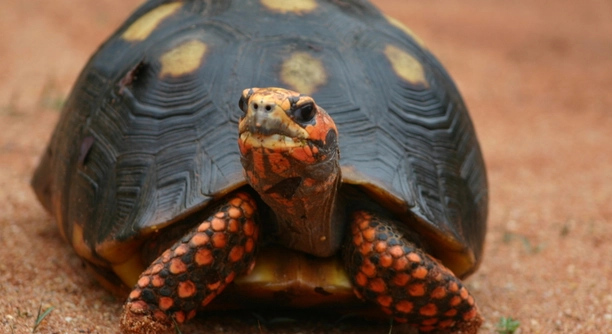
Red-footed tortoises are known for their calm demeanor and unique appearance, making them great pets. However, if you’ve noticed your tortoise dragging its back legs, this behavior can be concerning. It’s important to understand the cause.
Your red-footed tortoise may be dragging its back legs due to a variety of reasons, such as injury, neurological issues, or improper care. In some cases, lack of exercise or a deficiency in vitamins and minerals can also contribute to this behavior.
Identifying the cause of this issue can lead to better care and proper treatment. Understanding the problem may help prevent further complications and keep your tortoise happy and healthy.
Possible Causes for Your Tortoise’s Leg Dragging
If your red-footed tortoise is dragging its back legs, it could be linked to several causes. One of the most common is an injury. If it has fallen or bumped into something hard, it might have damaged its limbs or spine. Neurological problems are another concern. Conditions affecting the nervous system can impair movement, causing weakness or paralysis in the legs. Additionally, a vitamin deficiency, especially calcium or vitamin D3, can lead to weakness and difficulty moving. Over time, an improper diet or lack of UVB lighting can negatively affect your tortoise’s health, leading to issues like leg dragging.
If you’re noticing this issue, it’s important to assess your tortoise’s living environment. Make sure the habitat is clean, safe, and provides proper lighting and nutrition. In some cases, this could be the first sign of a more serious health issue that needs immediate attention.
A veterinarian can help diagnose the specific cause and provide treatment recommendations. However, making sure your tortoise has a healthy, balanced diet and an environment conducive to its needs is a good first step.
What You Can Do to Help
Ensure your tortoise gets a proper diet with enough vitamins and minerals to avoid deficiencies. Additionally, give your pet space to roam and exercise.
Making sure your red-footed tortoise has access to proper UVB lighting can also help prevent further health problems. Without it, they can suffer from calcium deficiency and other issues that affect mobility. Providing supplements may also be necessary. If your tortoise is injured, make sure to minimize its movement to allow it to heal properly.
If the problem persists or worsens, you should contact a reptile veterinarian. They can conduct tests to determine if there’s an underlying issue that needs addressing. It’s always best to catch the problem early, as proper care and attention can help your tortoise recover.
Assessing the Tortoise’s Habitat
Your tortoise’s habitat plays a key role in its overall health. Ensure it has enough space to move around freely. If the enclosure is too small, your red-footed tortoise might not be able to exercise enough, which can affect its legs. Lack of movement can lead to weakness, causing the dragging of its back legs. Check for any obstacles or barriers in the habitat that might make it difficult for your tortoise to walk.
Proper lighting and temperature are also essential. Your tortoise needs UVB lighting to synthesize vitamin D3 and absorb calcium. Without it, your tortoise can develop metabolic bone disease, which weakens the bones and muscles, leading to leg dragging. A consistent temperature gradient is also necessary for digestion and overall health. Make sure the habitat mimics natural conditions as much as possible.
Finally, ensure that your red-footed tortoise has a clean living area. Dirty enclosures can lead to infections or fungal growth, which may also affect movement. A well-maintained space encourages a healthy tortoise.
Nutritional Deficiencies
A diet lacking in essential vitamins and minerals can lead to leg dragging. Red-footed tortoises, like all reptiles, need a balanced diet with enough calcium, vitamin D3, and other nutrients to support healthy bone and muscle development. If your tortoise isn’t getting enough calcium, it may experience weakness in its legs, which can result in dragging. Vitamin D3 is necessary for calcium absorption, so without it, calcium levels in the tortoise’s body may drop.
Offering a variety of leafy greens, fruits, and occasional protein sources can help meet your tortoise’s nutritional needs. Some tortoises also benefit from supplemental calcium, especially if they don’t have regular access to natural sunlight or UVB lighting. Make sure the food you provide is rich in the nutrients your tortoise needs to stay healthy and mobile.
If you suspect a nutritional deficiency, speak with a reptile vet who can guide you on proper feeding and supplementation. Taking corrective action early can prevent permanent damage and support better movement in your tortoise.
Injury or Trauma
Injury can be a major factor when it comes to your tortoise dragging its back legs. If your tortoise has recently fallen or bumped into something, it could have injured its legs or spine. Even if there are no visible signs of injury, internal damage can still affect its ability to move.
Make sure to check for any signs of swelling, bruising, or unusual posture. If there’s any visible trauma, it’s essential to minimize your tortoise’s movement until it heals. Providing a safe environment will reduce the risk of further injury and help the recovery process.
Neurological Issues
Neurological conditions can cause weakness or paralysis, affecting your tortoise’s ability to move its back legs. Diseases or injuries to the nervous system can impair coordination and muscle control. If your tortoise is dragging its legs and there’s no clear external cause, a neurological issue could be the reason.
A vet can diagnose neurological problems and help determine the best course of treatment. These conditions may require medication or physical therapy to improve your tortoise’s mobility. Early diagnosis is important to give your tortoise the best chance for recovery.
Lack of Exercise
Tortoises, especially in captivity, need enough space to move around. Without regular exercise, their muscles can weaken, leading to difficulty walking. Your red-footed tortoise might start dragging its back legs as a result. Make sure it has access to an area where it can roam freely.
Providing regular opportunities for movement can help your tortoise maintain muscle strength and coordination. If possible, let it spend time outside, as this will encourage natural movement. If your tortoise is confined to a small area, consider expanding its space to promote physical activity.
FAQ
Why is my red-footed tortoise dragging its legs?
Your red-footed tortoise may be dragging its back legs due to several reasons, such as injury, neurological issues, or lack of proper nutrition and care. It could also be a sign of metabolic bone disease, which occurs when there is a calcium deficiency. If the tortoise’s environment doesn’t provide enough UVB light, it may struggle to absorb calcium, weakening its muscles and bones. Alternatively, an injury or trauma to the legs, spine, or nervous system may impair its ability to walk properly, causing it to drag its back legs. Always assess the habitat, diet, and behavior for any signs of stress or imbalance.
How can I tell if my tortoise is injured?
Look for signs like swelling, bruising, or unusual posture. If your tortoise avoids using one of its legs or seems to be in pain, it could indicate an injury. If it refuses to move or has trouble moving, it may be trying to protect a painful area. Injuries might not always be visible on the surface, so it’s important to monitor for any behavior changes. An x-ray or physical examination by a vet may be necessary to identify internal injuries or fractures.
How do I provide the proper UVB lighting for my tortoise?
UVB lighting is crucial for your red-footed tortoise’s health. It helps in the production of vitamin D3, which is necessary for calcium absorption. Place a UVB light above the basking area to ensure your tortoise gets enough exposure. The light should be replaced every six months since its effectiveness decreases over time. Ensure the light is not too far from your tortoise, as the intensity of UVB light decreases with distance. You should also have a temperature gradient in the enclosure, with a basking area that reaches around 95°F (35°C).
What should I feed my red-footed tortoise?
A balanced diet is key to your tortoise’s health. Red-footed tortoises are primarily herbivores, so offer a variety of leafy greens like collard greens, dandelion greens, and romaine lettuce. You can also provide fruits such as papaya, mango, and berries in moderation. Occasionally, they may be given small amounts of animal protein, like insects or eggs. Avoid feeding your tortoise high-oxalate plants like spinach, as they can interfere with calcium absorption. A calcium supplement might also be necessary, especially if your tortoise doesn’t get enough from its diet.
Can a red-footed tortoise recover from leg dragging?
Yes, your tortoise may be able to recover from leg dragging depending on the underlying cause. If it is due to a minor injury, proper rest and care can help it heal. If the cause is nutritional, adjusting the diet and ensuring proper UVB exposure may restore strength and mobility. However, if there is a serious neurological condition or metabolic bone disease, the recovery process might take longer and require veterinary intervention. In some cases, a tortoise may need physical therapy or a specialized treatment plan to regain movement in its legs.
How much space does my tortoise need in its enclosure?
Red-footed tortoises need ample space to move around and stay active. A minimum of 8 square feet is recommended for one tortoise, but more space is better. This allows your tortoise to roam and exercise its legs to maintain strength and coordination. If possible, consider allowing it time outside in a secure, safe environment. The more space it has, the more active and healthier it will be. Make sure the habitat has various areas with different temperatures so your tortoise can regulate its body temperature.
How often should I check my tortoise’s legs for problems?
Regular monitoring is essential for keeping track of your tortoise’s health. Check its legs at least once a week for any signs of injury, swelling, or changes in movement. Pay attention to any limping or dragging behavior, and observe how it uses its legs. If you notice any changes, consult a vet to rule out potential health issues. Frequent checks can catch problems early and ensure your tortoise stays healthy. Monitoring its overall behavior, eating habits, and energy levels is equally important.
What can I do if my tortoise has a neurological condition?
If you suspect your red-footed tortoise has a neurological issue, it’s essential to consult a reptile vet. Neurological conditions can cause weakness, paralysis, or loss of coordination in the limbs. The vet may perform diagnostic tests to determine the exact cause and offer appropriate treatments. In some cases, medications or supplements may be prescribed to manage the condition. Physical therapy or exercises may also help your tortoise regain some function, depending on the severity of the issue.
Is my tortoise’s diet causing the leg dragging?
Yes, an improper diet could be the reason your tortoise is dragging its back legs. Lack of calcium and vitamin D3 can lead to metabolic bone disease, weakening the bones and muscles. If your tortoise doesn’t get enough nutrients, it may experience difficulty moving. Ensure that its diet includes calcium-rich foods, and consider adding a calcium supplement if needed. Also, make sure it gets adequate UVB exposure to help with vitamin D3 production. A well-balanced diet is essential for preventing mobility issues.
How long does it take for a tortoise to recover from leg dragging?
The recovery time varies based on the underlying cause. If the issue is a simple injury, recovery could take a few weeks with proper care and rest. For nutritional deficiencies, it might take a couple of months to see improvements after adjusting the diet and UVB exposure. Neurological issues or metabolic bone disease may require long-term care, and the recovery process can be slower. Be patient, and make sure your tortoise receives proper veterinary care and attention throughout its recovery period.
Final Thoughts
When your red-footed tortoise starts dragging its back legs, it’s important to take a step back and assess the situation. It could be caused by something as simple as an injury or more complex issues like neurological problems or nutritional deficiencies. The first step is to observe your tortoise closely. Check for any visible signs of trauma, such as swelling or bruising, and make sure it has enough space to move freely in its habitat. If the dragging continues, it may be time to look deeper into its diet and UVB lighting conditions. These factors play a significant role in the overall health of your tortoise and could be contributing to the issue.
Once you’ve ruled out the most common causes, consulting a reptile veterinarian is a good idea. A vet can conduct proper tests to determine if there’s an underlying medical condition, such as metabolic bone disease, that needs attention. Early diagnosis is crucial for ensuring that the problem doesn’t worsen. In many cases, the right care and adjustments to diet, lighting, and habitat can make a significant difference. However, for more severe cases, your tortoise may require special treatment, including medication or physical therapy, to help restore its mobility. The key is not to ignore the signs and to address the issue sooner rather than later.
It’s also essential to keep in mind that tortoises can be resilient creatures. With the right care and environment, many tortoises recover from leg dragging and regain full mobility. The process may take some time, but it’s possible with patience, consistency, and proper attention to your tortoise’s health needs. By providing a balanced diet, the right UVB lighting, and a safe and spacious living area, you can help prevent future problems and ensure your red-footed tortoise remains happy and healthy.

Hello,
If you enjoy the content that we create, please consider saying a "Thank You!" by leaving a tip.
Every little bit helps us continue crafting quality advice that supports the health, happiness, and well-being of pets around the world, for pets of all shapes, sizes, and species.
We really appreciate the kindness and support that you show us!