
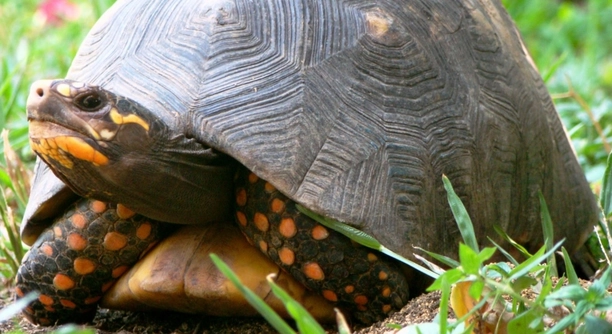
Red-footed tortoises are fascinating creatures, and it’s not uncommon for owners to notice unusual markings on their shells. One such concern is the appearance of white spots. Understanding these changes is important for your pet’s well-being.
White spots on a red-footed tortoise’s shell can be caused by a variety of factors, such as fungal infections, shell damage, or improper humidity levels. These spots can also develop as a natural part of their growth process.
Knowing the causes of these white spots can help you make informed decisions about how to care for your tortoise. From simple care adjustments to seeking veterinary advice, it’s crucial to ensure your pet stays healthy.
Causes of White Spots on Your Red-Footed Tortoise’s Shell
White spots on your red-footed tortoise’s shell can be concerning, but they’re not always a sign of something serious. Sometimes, these spots are linked to natural growth changes as your tortoise matures. Over time, the shell may develop different textures or patterns, and small, white spots might emerge. However, if these spots appear suddenly or are accompanied by other symptoms, such as swelling, discoloration, or a change in behavior, it could be a sign of an infection, improper humidity, or shell damage.
If the spots seem to be spreading or changing, it’s important to observe your tortoise closely. A sudden appearance of white spots could indicate a fungal or bacterial infection. These infections can cause damage to the shell if left untreated. It’s essential to maintain proper habitat conditions for your tortoise, ensuring that it has enough humidity, temperature control, and a clean living space.
If you are unsure, it’s best to consult a veterinarian for a proper diagnosis.
Maintaining Proper Conditions
Maintaining a proper environment for your tortoise can prevent a lot of potential problems, including the development of white spots. Humidity and temperature control are key aspects of their care.
Red-footed tortoises thrive in a warm, humid environment. A humidity level of 60-80% and a temperature range of 75-85°F is ideal. If these conditions are not met, the shell might not grow properly, and white spots can form. Additionally, a clean habitat free from fungal spores or harmful bacteria helps keep the shell healthy. Keeping your tortoise’s living space clean and well-maintained is the first step in preventing further shell issues.
Regularly cleaning their enclosure and providing proper lighting and UVB exposure will support your tortoise’s overall health and shell condition.
Fungal Infections
Fungal infections are one of the common causes of white spots on a tortoise’s shell. These infections thrive in warm, damp environments, which are often present in their enclosures. If not properly managed, fungal growth can spread and cause further harm to the shell.
If you notice white, flaky patches that seem to change or grow in size, a fungal infection may be the cause. The infection typically affects the scutes, or the individual plates on the shell, leading to visible damage. To treat a fungal infection, it’s crucial to remove the infected tortoise from the enclosure and clean it thoroughly. Use antifungal treatments specifically designed for reptiles, and ensure proper humidity and ventilation in the tortoise’s living area. Regular checks of your pet’s shell will help prevent the infection from spreading.
Seeking advice from a vet for antifungal prescriptions or treatment recommendations can be helpful in preventing further issues. A proper diagnosis and treatment plan are essential in managing this condition.
Shell Damage
Shell damage from physical injuries can also result in white spots on your tortoise’s shell. These marks often appear as light patches, which may look like scars or areas where the shell has been impacted. Over time, if the injury heals, the damaged area may turn white.
Accidental falls, rough handling, or even a poor living environment can contribute to shell damage. It’s essential to check your tortoise regularly for any signs of injury. If you suspect shell damage, cleaning the affected area and applying a mild antiseptic can help prevent infections. If the damage appears serious, a vet should be consulted to ensure proper healing.
Protecting your tortoise from accidents, such as keeping their enclosure safe and secure, will minimize the chances of injury. It’s also important to monitor their health closely to avoid further complications with their shell.
Improper Diet
An improper diet can sometimes lead to the appearance of white spots on your tortoise’s shell. Lack of essential vitamins and minerals, particularly calcium, can affect shell health. A balanced diet is crucial for their overall well-being.
Feeding your red-footed tortoise a diet lacking in calcium can result in shell deformities, including white patches. It’s important to provide a variety of foods, such as leafy greens, fruits, and occasional protein, alongside calcium supplements. Without the proper nutrients, their shell may not develop correctly, leading to spots or even damage.
A proper diet can support healthy shell growth and prevent such issues. Make sure you’re offering the right mix of nutrients to ensure your tortoise stays healthy.
Vitamin Deficiency
Vitamin deficiency is another potential cause of white spots. If your tortoise isn’t getting enough vitamin A, D, or calcium, this can lead to changes in the appearance of the shell. A lack of proper nutrition often shows up in the form of these white marks.
Providing a well-rounded diet with vitamin-rich foods is essential for maintaining shell health. You can supplement their diet with specialized foods or vitamins recommended by a vet to correct deficiencies. Additionally, make sure they have access to UVB lighting, which is vital for the proper absorption of calcium and other nutrients. A diet tailored to your tortoise’s needs is essential for preventing future issues with their shell.
Dehydration
Dehydration is another common cause of white spots on a tortoise’s shell. When your tortoise doesn’t drink enough water, its body starts to suffer from a lack of hydration, which can affect the shell’s appearance. Proper hydration is key to a healthy tortoise.
FAQ
What should I do if I notice white spots on my red-footed tortoise’s shell?
If you see white spots on your tortoise’s shell, the first step is to assess the condition of the shell. Check if the spots are spreading or changing in size. If they are, it’s important to identify whether they’re caused by an infection, diet issue, or shell damage. Keep the enclosure clean and ensure that temperature and humidity levels are proper. If the spots persist or worsen, consult a veterinarian to rule out any underlying health problems. Regular monitoring and maintaining proper care will help avoid serious issues.
Can white spots on a tortoise’s shell go away on their own?
In some cases, white spots can resolve naturally, especially if they are related to normal growth or shedding. However, if the spots seem to be due to fungal infections, nutritional deficiencies, or other health concerns, they will likely require intervention. Without proper care, the spots may worsen or lead to more serious health issues. Monitoring your tortoise closely and making necessary adjustments to its care routine can prevent further complications.
Are white spots on a red-footed tortoise’s shell a sign of a fungal infection?
Yes, white spots can sometimes indicate a fungal infection. Fungal infections typically appear as white, powdery, or flaky patches on the shell, and they may spread over time. If your tortoise’s shell seems to be soft or deteriorating, it’s important to seek professional advice from a vet. Fungal infections need to be treated with antifungal medications and by correcting any environmental factors, such as humidity and ventilation, that may be contributing to the problem.
How can I tell if the white spots are from shell damage or an infection?
Shell damage typically results in white spots that are hard, often caused by an injury or trauma. In contrast, white spots from infections may be soft or flaky, indicating fungal or bacterial growth. To distinguish between the two, check for signs of physical injury, like cracks or bruising. If the spots appear to be spreading or worsening despite good care, an infection is more likely. If in doubt, a vet can perform a thorough check to determine the cause and suggest the appropriate treatment.
Can I treat a fungal infection on my tortoise at home?
Yes, you can treat a fungal infection at home, but it’s important to ensure the proper treatment. Start by cleaning the infected area carefully with warm water and a soft brush to remove any debris. Use a reptile-safe antifungal treatment as recommended by your vet, and adjust the humidity and temperature in the enclosure to discourage further fungal growth. If the infection doesn’t improve, or if you’re unsure about the treatment, seek veterinary advice. Never use harsh chemicals not designed for reptiles, as they can harm your tortoise.
How can I prevent white spots from appearing on my red-footed tortoise’s shell?
Preventing white spots on your tortoise’s shell begins with providing a clean, well-maintained environment. Ensure the humidity level in the enclosure is between 60-80%, and the temperature is between 75-85°F. Proper UVB lighting is essential for calcium absorption, so make sure your tortoise gets enough exposure. A balanced diet with adequate calcium and vitamins, particularly vitamin A, will help prevent nutritional deficiencies that could lead to shell issues. Regularly cleaning the tortoise’s living space and handling them gently will also help reduce the risk of injury or infection.
What are the best foods to feed a red-footed tortoise to avoid shell problems?
A balanced diet rich in nutrients is key to a healthy shell. Red-footed tortoises thrive on a variety of leafy greens, such as collard greens, dandelion greens, and mustard greens. You can also feed them fruits like papaya, mango, and berries in moderation. To ensure proper calcium intake, add calcium supplements to their diet, or offer calcium-rich foods like edible flowers and some vegetables. Avoid feeding too much fruit, as it can cause digestive problems. A well-rounded diet helps maintain strong shell growth and avoids nutritional deficiencies that could lead to white spots.
How often should I clean my red-footed tortoise’s enclosure to prevent shell issues?
Keeping the enclosure clean is crucial to preventing infections and shell issues. You should clean the habitat thoroughly at least once a week, removing any uneaten food, waste, and debris. Spot cleaning should be done daily to maintain cleanliness and prevent bacteria buildup. Change the water frequently to prevent stagnation and ensure your tortoise has access to fresh water at all times. Keeping the habitat dry and well-ventilated will also reduce the risk of fungal growth and shell problems.
Do white spots on the shell affect the health of the tortoise?
White spots themselves may not be harmful if they’re due to natural shell growth. However, if the spots are caused by fungal or bacterial infections, nutritional deficiencies, or dehydration, they can lead to further health problems. Infections can weaken the shell, while poor nutrition can stunt growth or cause deformities. It’s important to monitor your tortoise’s overall health and take action if you notice any changes in its behavior, appetite, or shell condition. Regular veterinary check-ups can help detect potential issues early.
Can humidity levels in the enclosure cause white spots on my tortoise’s shell?
Yes, improper humidity levels can lead to the development of white spots. If the humidity is too low, your tortoise’s shell may not grow properly, which could result in spots or other shell issues. On the other hand, too much humidity can create an environment where fungal infections thrive, leading to white, flaky patches. Maintaining the proper humidity level of 60-80% is essential for shell health. Make sure your tortoise’s enclosure is well-ventilated and has both dry and humid areas for them to choose from.
Final Thoughts
White spots on a red-footed tortoise’s shell can be concerning, but they aren’t always a sign of something serious. Often, they may be a result of normal growth or shedding. As your tortoise matures, its shell may develop different textures and patterns. In such cases, these white spots should not cause alarm. However, if the spots seem unusual or are accompanied by other symptoms, such as swelling, softness, or a change in behavior, they could be indicative of something more serious, like an infection, injury, or a nutritional imbalance. Monitoring your tortoise’s condition closely and maintaining proper care can help you catch potential issues early.
The key to preventing and addressing white spots is consistent care and observation. Ensuring the correct environmental conditions, such as proper humidity, temperature, and lighting, can help your tortoise maintain a healthy shell. A diet rich in calcium, vitamins, and other essential nutrients is also crucial for keeping the shell strong and free from deformities. Regular cleaning of the enclosure and careful handling will also reduce the chances of shell damage or fungal growth. If you notice that the white spots persist or worsen, it’s always a good idea to consult a veterinarian for a proper diagnosis and treatment plan.
By understanding the potential causes of white spots, you can better care for your red-footed tortoise. Whether it’s an issue with diet, humidity, or an infection, taking immediate action can help resolve the problem and prevent it from affecting your tortoise’s health in the future. Regular check-ups with a reptile vet are essential for keeping your tortoise in the best possible health. With the right care, your tortoise can live a long, healthy life, and any white spots on its shell will be nothing more than a passing concern.

Hello,
If you enjoy the content that we create, please consider saying a "Thank You!" by leaving a tip.
Every little bit helps us continue crafting quality advice that supports the health, happiness, and well-being of pets around the world, for pets of all shapes, sizes, and species.
We really appreciate the kindness and support that you show us!