
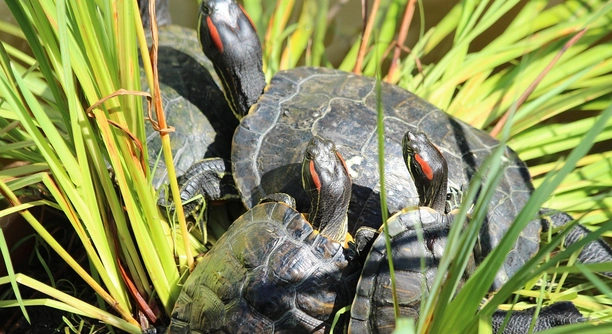
Red-eared sliders are popular pets, but they can sometimes bite their owners. Understanding why this happens can help prevent future bites and improve your relationship with your turtle. Let’s take a look at the reasons behind this behavior.
Red-eared slider bites are often a sign of stress, fear, or territorial behavior. They may bite when they feel threatened, are hungry, or are simply reacting to unfamiliar situations or hands approaching them too quickly.
There are several ways to prevent and reduce biting behavior. Understanding the cause is the first step in addressing the issue and ensuring a peaceful bond with your pet.
Why Do Red-Eared Sliders Bite?
Red-eared sliders may bite for a variety of reasons, and understanding these can help you figure out how to stop it. Most often, they bite out of fear, hunger, or territorial instinct. If your turtle feels cornered, it may bite as a defense mechanism. It is common for them to become nippy when they are hungry and expect food from you. Additionally, they may bite if they feel their space is being invaded, especially if they have not yet built trust with you. Red-eared sliders can also bite when they are overstimulated or feel threatened by sudden movements, so it’s important to respect their boundaries.
It is essential to observe your turtle’s behavior closely to figure out what triggers the biting. By adjusting how you interact with your red-eared slider, you can reduce the chances of being bitten.
If your slider is in a new environment or hasn’t yet become accustomed to handling, it’s important to be patient. A slow and calm approach will allow your turtle to feel more secure in its space. Avoid sudden movements, and let it come to you at its own pace.
How to Prevent Red-Eared Slider Bites
A calm approach can go a long way in preventing biting. If your turtle seems stressed, handling it less frequently until it adjusts may help. Make sure its habitat is comfortable, with plenty of space and proper water conditions. These turtles are naturally shy and need time to feel safe around humans. Reducing stress in their environment will also help calm their behavior.
Another way to avoid bites is by offering your turtle food in a safe manner. Instead of allowing it to grab food from your fingers, try using a feeding dish to prevent accidental nipping. Never approach your slider too quickly, and try to keep your interactions calm and consistent. Over time, your turtle will begin to feel more at ease.
A consistent routine can also help reduce your turtle’s anxiety. Regular feeding times and quiet moments together can create a positive environment. Eventually, your slider will become more comfortable and may stop biting altogether.
Is Your Red-Eared Slider Hungry?
Hunger is a common reason for biting. If your turtle is hungry, it might mistake your hand for food. Turtles tend to bite when they see movement, thinking it’s feeding time. This is especially true if you’ve fed it by hand in the past.
If your slider bites when you approach, it may simply be expecting food. To avoid this, make sure to feed your turtle in a designated spot, away from your hands. You can also switch to using tongs or a feeding dish instead of feeding directly from your hand. This prevents confusion and helps keep your hands safe.
Try to establish a regular feeding schedule for your turtle. Keep a consistent routine and feed it at the same time each day. By avoiding hand-feeding, you remove the risk of your turtle associating your hands with food. This simple change can help reduce biting behavior and make interactions more pleasant.
Red-Eared Sliders and Territorial Behavior
Red-eared sliders can become territorial, especially in smaller tanks or spaces. They may bite to protect their environment. If they feel their space is being invaded, they may act aggressively. This can happen with both other turtles or humans.
If your turtle feels threatened in its habitat, it’s best to leave it alone. Overcrowding in tanks can trigger territorial behavior, so ensure your slider has enough space to move around. Provide hiding spots and areas where it can retreat to feel secure. This helps reduce the feeling of being threatened and lowers the chances of biting.
Create a peaceful, stress-free environment for your red-eared slider by making sure its space is comfortable. Keep its tank clean and ensure there are no other animals in the area that could cause distress. The more secure your turtle feels in its habitat, the less likely it is to bite in defense.
Fear and Stress Triggers
Fear and stress can cause red-eared sliders to bite. They might react to unfamiliar environments, loud noises, or sudden movements. When stressed, a turtle may feel the need to defend itself, leading to biting behavior. Identifying what causes fear will help reduce this issue.
Create a calm and quiet space for your turtle to thrive. Avoid sudden or loud actions that could startle it. Providing a stable, familiar environment is key to helping your red-eared slider feel less threatened. Over time, this will help your turtle become more comfortable and less likely to bite.
Handling Red-Eared Sliders Safely
Handling your red-eared slider with care is crucial to avoiding bites. Approach it slowly, allowing it to get used to your presence. Never grab or force it to interact if it’s not comfortable. Letting your turtle come to you at its own pace can help build trust.
By respecting your turtle’s boundaries and not overwhelming it, you reduce the risk of it feeling threatened or stressed. Slow, gentle movements are key to establishing a positive relationship with your red-eared slider. Remember, patience is essential when building trust with any pet.
Biting from Overstimulation
Overstimulation can also lead to biting. If your turtle is handled too much or for too long, it may get stressed and bite. Providing your slider with some alone time to retreat to its hiding space can help keep it calm.
Limit the time spent handling your turtle to avoid overstimulation. Regular short sessions are much better than long, frequent interactions. Give your red-eared slider the space it needs to relax and process its environment. This will prevent it from feeling overwhelmed and reduce biting tendencies.
FAQ
Why is my red-eared slider biting me?
Biting is a natural behavior for red-eared sliders, and there are a few reasons why it might happen. The most common cause is fear or stress. If your turtle feels threatened or unsure about its environment, it might bite in self-defense. Hunger is another possibility; your turtle may mistake your hand for food, especially if you’ve fed it by hand before. Territorial behavior is also common in red-eared sliders. If your turtle feels its space is being invaded, it may react aggressively by biting. Understanding these triggers will help you reduce the chances of being bitten.
How can I stop my red-eared slider from biting me?
The best way to stop a red-eared slider from biting is by reducing the triggers that cause the behavior. Start by addressing any fear or stress by making sure your turtle’s environment is calm and secure. Avoid sudden movements or loud noises around its tank. Feed your turtle in a separate dish rather than by hand to prevent it from associating your hands with food. Lastly, limit the amount of handling and give your turtle enough time to adjust to its environment. Over time, your turtle will likely become more comfortable and stop biting.
Is it okay to hand-feed my red-eared slider?
Hand-feeding can create a situation where your red-eared slider begins to associate your hands with food. While this may seem like a way to bond, it can lead to biting, especially if your turtle is hungry or feels threatened. Instead of feeding by hand, use a feeding dish or tongs to give your turtle food. This prevents your hands from being mistaken for food and reduces the risk of being bitten. Hand-feeding occasionally is fine, but it’s better to do it in moderation.
How do I know if my red-eared slider is stressed?
A stressed red-eared slider may exhibit signs such as erratic swimming, hiding frequently, or refusing to eat. They may become more aggressive, showing signs of biting or hissing. If your turtle is basking excessively, it could also be a sign that it’s trying to escape stressors in its environment. It’s essential to observe your turtle’s behavior and make changes to its environment if needed. Ensure that its tank is clean, has enough space, and has hiding spots where it can retreat if needed. Keep noise levels low and avoid sudden changes.
Can red-eared sliders bite hard?
Yes, red-eared sliders have strong jaws and can deliver a painful bite. While they are not typically aggressive toward humans, they can still bite if they feel threatened or mistaken your hand for food. The bite itself can be sharp, but it usually isn’t harmful unless the turtle is very large. If a bite occurs, it’s important to clean the area immediately to avoid infection. Red-eared sliders’ bites usually aren’t dangerous but can be painful, so handling with care is essential to avoid accidents.
How do I handle my red-eared slider safely?
To handle your red-eared slider safely, always approach it slowly and gently. Avoid sudden movements that could startle it. Support its body with both hands when lifting, holding it securely but not too tightly. It’s also important to allow your turtle to explore on its own when out of its tank. Never grab or force your turtle to interact with you. Handle your slider for short periods, gradually increasing the time as it becomes more comfortable with your presence. Keeping interactions calm and predictable will help build trust.
Why is my red-eared slider biting other turtles?
If you have more than one red-eared slider in the same tank, biting could be a result of territorial behavior. These turtles can be very protective of their space, and competition for food or basking spots may lead to aggression. If your turtles are fighting, you may need to separate them into different tanks to prevent further injury or stress. Ensure that each turtle has its own space, and try to provide ample hiding spots, food, and basking areas to reduce territorial conflict.
How often should I handle my red-eared slider?
Red-eared sliders don’t need to be handled frequently. It’s important to let them adjust to their environment and handle them only when necessary. If you do handle your turtle, keep the sessions short and gentle. Overhandling can cause stress and lead to biting behavior. Allow your slider time to relax and have its own space. It’s more beneficial to observe your turtle and ensure that it is living in a well-maintained environment, as opposed to constantly picking it up.
Can red-eared sliders bite during feeding time?
Yes, red-eared sliders can bite during feeding time, especially if they are very hungry. They may mistake your fingers for food, so it’s essential to feed them carefully. Avoid hand-feeding unless you are using tongs or a feeding dish. This helps reduce the risk of bites while also making the feeding process safer and more controlled. Feeding your slider in a designated spot will help them focus on the food rather than your hand, reducing the chances of a bite.
What should I do if my red-eared slider bites me?
If a red-eared slider bites you, it’s important to stay calm. Gently remove your hand from its mouth without jerking or causing stress. Clean the bite area thoroughly with warm water and mild soap. Apply an antiseptic to prevent infection. If the bite is severe, consider seeking medical attention. Though bites from red-eared sliders are usually not dangerous, they can still cause pain and infection if not properly treated. Prevent future bites by addressing the causes of your turtle’s biting behavior.
Final Thoughts
Understanding why your red-eared slider bites is the first step to solving the issue. These turtles may bite for several reasons, such as hunger, stress, fear, or territorial instincts. By observing your turtle and identifying the trigger behind the biting behavior, you can address the root cause and improve your relationship with your pet. Most of the time, biting is not a sign of aggression but rather a reaction to something in the environment. With patience and careful handling, you can help your slider feel more comfortable and stop the biting behavior.
Making sure your turtle’s environment is calm and secure is essential in preventing biting. A clean, spacious tank with hiding spots will allow your red-eared slider to feel safe and reduce stress. Avoid sudden movements and loud noises that could startle it. Feeding your turtle in a separate dish instead of by hand will also prevent it from confusing your fingers with food. Regular handling can help your turtle adjust to your presence, but it’s important to keep interactions short and gentle. Reducing the time spent in close contact will help avoid overstimulation, which can lead to biting.
In the end, understanding your red-eared slider’s behavior and making small adjustments to its environment and your handling techniques will lead to a more peaceful and trusting relationship. If biting continues despite your efforts, it may be a sign that your turtle needs more time to adjust. Be patient, and give your slider the space it needs to feel comfortable. As your turtle becomes more familiar with its environment and you, the biting should lessen over time, allowing for a more enjoyable and safe interaction.

Hello,
If you enjoy the content that we create, please consider saying a "Thank You!" by leaving a tip.
Every little bit helps us continue crafting quality advice that supports the health, happiness, and well-being of pets around the world, for pets of all shapes, sizes, and species.
We really appreciate the kindness and support that you show us!