
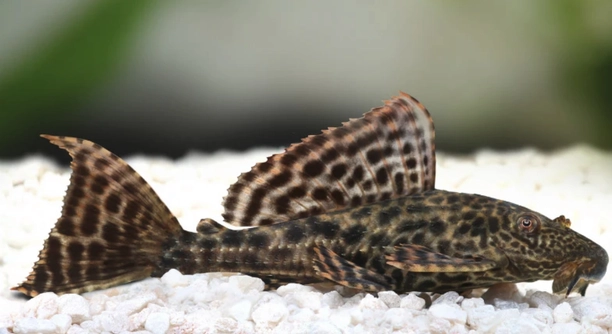
When feeding your pleco, you may notice some unusual twitching. This behavior can be puzzling, but it’s not uncommon. Understanding the reasons behind this can help you better care for your aquatic pet and ensure its well-being.
The twitching in your pleco during feeding is likely a response to excitement or anticipation. Plecos are known to display physical reactions when they sense food, as their instinctive behavior triggers rapid movements or twitching in response to feeding stimuli.
This behavior can be linked to the pleco’s feeding habits and environmental factors. Understanding these triggers will help in managing and maintaining a healthy feeding routine.
What Causes the Twitching in Plecos?
Plecos are often seen twitching when they’re fed, and it’s a behavior that happens naturally. When they detect food, their body responds with rapid, jerky movements. This twitching is not always a sign of stress or illness but a way for them to interact with their environment. Plecos are bottom feeders by nature, and their instinct is to quickly approach food sources. The twitching could also be an expression of their excitement when food enters the tank, especially if it’s a favorite type of treat. It’s important to keep track of these movements, as they may vary depending on the pleco’s mood or the type of food offered.
Many plecos also display twitching during feeding because it’s part of their feeding strategy. They often move rapidly in short bursts to secure food. Their movements can seem exaggerated, but they are simply reacting to the environment and available resources. The twitching is often more noticeable when food is placed near them. It’s a natural behavior triggered by food presence.
Understanding this behavior helps avoid unnecessary concern. As long as your pleco is healthy and active, the twitching is most likely harmless.
How Does the Pleco’s Environment Affect Its Twitching?
Environmental factors play a role in the behavior of your pleco during feeding. The water temperature, lighting, and tank conditions can all influence how your pleco reacts to food. Cold water, for instance, may slow down a pleco’s movements, while warmer water tends to make them more active. Lighting conditions can also impact their behavior, as plecos are nocturnal creatures. In tanks with bright lights, they might feel stressed or out of place, causing erratic behavior like twitching. Ensuring a stable environment is key to reducing such disturbances.
The pleco’s environment also affects its comfort level. When they feel safe, they will feed calmly. If there are changes in the water quality or the presence of other tank mates, it could increase twitching or other erratic movements. Plecos are very sensitive to shifts in their surroundings. Stress from environmental factors can manifest in various ways, including twitching when food is presented.
Creating an environment that mimics their natural habitat, with clean, stable water and appropriate lighting, helps manage these feeding behaviors.
Types of Food That Can Trigger Twitching
Certain foods can cause your pleco to twitch more than others. Foods with a strong scent, such as sinking pellets or algae wafers, tend to provoke more noticeable twitching. The more enticing the food, the more your pleco may react with excitement. This behavior is simply a sign that your pleco is responding to its food source.
The texture of food also plays a role in triggering twitching. Plecos often twitch when they are presented with soft, easy-to-eat foods. These foods may be absorbed quickly, and the twitching could be a result of the fast-paced eating behavior. On the other hand, harder foods that require more effort may not evoke the same twitching, as the pleco tends to be more methodical in eating. It’s essential to offer a variety of food types to see how your pleco reacts.
Feeding your pleco a mix of soft and hard foods can provide a balance that keeps them both healthy and active. Observe their behavior with different foods to better understand how it affects their movements.
How to Handle Twitching During Feeding
If your pleco’s twitching becomes concerning, consider changing how you feed them. Try offering food in smaller portions throughout the day instead of all at once. This can help reduce sudden bursts of excitement and allow the pleco to feed more slowly. By feeding them more often, you avoid overwhelming their senses, which may trigger erratic movements.
Changing the location of where food is placed can also make a difference. If your pleco’s twitching happens more near one spot in the tank, try spreading the food out more evenly. This prevents overexcitement in one area and gives your pleco more room to feed comfortably. Providing hiding spots or resting areas also allows your pleco to feel secure, reducing unnecessary twitching.
Small adjustments to feeding practices can lead to a more relaxed feeding environment. This ensures that the twitching remains a normal, harmless part of your pleco’s behavior.
When to Be Concerned About Twitching
If the twitching becomes constant or severe, it may signal an underlying issue. In these cases, the twitching is more than just excitement; it could be a sign of stress or illness. Monitoring your pleco’s overall health can help determine whether this behavior is normal or not.
Persistent twitching accompanied by other signs like loss of appetite or abnormal swimming could indicate a health issue. If you notice these changes, it’s essential to check water quality and tank conditions. Poor water conditions can lead to stress, causing erratic movements. If needed, consult a vet experienced with fish.
Regular water changes and maintaining stable tank conditions can help prevent stress. If your pleco’s behavior worsens or other concerning signs develop, it may be necessary to intervene and adjust the environment.
Can Twitching Be a Sign of Stress?
Twitching can sometimes be linked to stress, especially if there are changes in the pleco’s environment. New tank mates, improper water conditions, or overfeeding may cause anxiety, which can lead to twitching. Stress-related twitching tends to be less controlled and more frequent, indicating your pleco feels uncomfortable.
Watching for other stress indicators is crucial to identifying the cause. Stress-related twitching should not be ignored, as it can affect your pleco’s long-term health. Make sure your tank is free from sharp objects or overcrowding, which can increase stress levels.
Twitching in Relation to Their Natural Behavior
Plecos have a unique set of feeding habits and behaviors that make twitching more common in some species. While some twitch as part of their feeding routine, others might show these movements in response to changes in their environment. Each species has its own way of reacting to stimuli, such as the presence of food or light levels.
Understanding their natural behaviors helps in recognizing whether the twitching is simply a normal action or a sign of distress. Ensuring that your pleco’s needs are met in terms of diet and environment reduces unnecessary twitching, allowing them to thrive.
FAQ
Why is my pleco twitching when I feed it?
Twitching during feeding is generally a sign of excitement or anticipation. Plecos are bottom feeders, and they instinctively react when food enters their environment. Their twitching movements are often quick bursts triggered by their immediate reaction to the food. It’s a natural behavior and usually harmless unless accompanied by other unusual signs.
Can twitching indicate illness in my pleco?
Twitching can sometimes point to illness, but it’s not always the case. If the twitching is constant, severe, or paired with other symptoms like loss of appetite or abnormal swimming, it might indicate a health issue. Illness or discomfort can cause abnormal movements. It’s important to monitor your pleco’s overall behavior.
How can I tell if my pleco is stressed?
Stress in plecos can manifest in a variety of ways, including twitching, erratic swimming, hiding more than usual, or loss of appetite. Stress can be caused by factors like poor water quality, sudden temperature changes, overcrowding, or tankmate conflicts. Keeping the tank environment stable is key to minimizing stress.
What should I do if my pleco’s twitching becomes severe?
If the twitching becomes frequent and intense, it may be time to examine the tank’s conditions. Test the water for ammonia, nitrate, and nitrite levels, and ensure the temperature is appropriate. A stressed or ill pleco may need a more controlled environment, with better water quality and temperature regulation.
Can certain foods trigger more twitching in my pleco?
Yes, foods with strong scents or softer textures may provoke more twitching. Plecos often show heightened excitement when they detect their preferred food. Soft, quick-to-eat foods like algae wafers or sinking pellets might cause more twitching compared to harder foods. Offering a mix of foods can help you observe which ones lead to more pronounced reactions.
Should I feed my pleco smaller portions to prevent twitching?
Feeding smaller portions throughout the day can help reduce excessive twitching. By offering food in smaller, more frequent amounts, you prevent overwhelming your pleco with too much food at once. This approach allows them to feed at a comfortable pace, reducing sudden bursts of excitement and twitching.
How can I make feeding time less stressful for my pleco?
To reduce stress during feeding, try placing food in multiple locations around the tank. This allows your pleco to explore and feed in a more relaxed way. You can also introduce food during quieter times when the tank is calm, avoiding sudden movements or other fish that might disrupt the pleco’s feeding routine.
Does water temperature affect twitching in plecos?
Water temperature can play a role in your pleco’s activity levels, including twitching. Warmer water can make them more active and responsive, while colder water may make them slower. Ensure the water temperature is within the proper range for your pleco species, as extreme temperatures can cause stress and abnormal behaviors.
Is twitching in plecos a sign of excitement?
Yes, twitching is often a sign of excitement, especially when food is present. Plecos are known to react rapidly when they sense food, as they are naturally eager feeders. The twitching is a simple response to the food source, indicating that the pleco is excited and ready to eat.
Can tankmates cause plecos to twitch more?
Tankmates can influence your pleco’s behavior, including its twitching. If your pleco feels threatened or stressed by the presence of other fish, it may twitch more often. Make sure to choose compatible tankmates for your pleco to reduce stress and maintain a peaceful environment that promotes healthy feeding habits.
Should I be concerned if my pleco twitches but eats normally?
If your pleco is eating normally, even with occasional twitching, it’s likely nothing to worry about. The twitching is probably just a natural feeding response. As long as your pleco is feeding well, swimming, and showing no signs of illness or stress, there’s usually no need to be concerned.
Can lighting affect my pleco’s twitching?
Yes, lighting can affect your pleco’s behavior, as they are nocturnal creatures. Bright lights during the day can make them feel exposed or stressed, leading to twitching or erratic behavior. It’s a good idea to provide low lighting or a shaded area to help them feel more comfortable.
How often should I feed my pleco?
Plecos should generally be fed once or twice a day. Overfeeding can lead to water quality issues and stress, while underfeeding may cause malnutrition. Stick to a regular feeding schedule and monitor how much food is consumed to ensure your pleco is getting the right amount of nutrition.
Can overfeeding cause twitching in plecos?
Overfeeding can cause health problems and stress in plecos, leading to twitching or erratic movements. Excess food left in the tank can lead to poor water quality, which in turn may cause stress-related behavior. Stick to an appropriate portion size to avoid these issues.
What are the signs of a healthy pleco?
A healthy pleco will be active, alert, and responsive during feeding. It will have clear eyes, smooth skin, and a well-maintained appetite. Healthy plecos will also swim normally and display natural behavior. If your pleco’s behavior changes drastically, it might be a sign of an underlying issue.
Is twitching common in all types of plecos?
Twitching can be common in many types of plecos, especially when they are feeding. However, the intensity and frequency of twitching can vary by species. Some plecos may twitch more than others depending on their temperament and feeding behavior. It’s important to observe your specific pleco to understand its natural movements.
Final Thoughts
Twitching in plecos during feeding is generally a normal behavior, and for many, it’s simply a sign of excitement or eagerness to eat. These fish are naturally responsive to food, and their twitching movements are part of their feeding routine. In most cases, twitching isn’t a cause for concern and can be attributed to their instinctual reactions to the presence of food. However, it’s important to keep an eye on the overall behavior of your pleco. If twitching becomes excessive or is paired with other signs of distress or illness, then it may require attention.
Environmental factors can also play a role in how often a pleco twitches. Water quality, tank mates, and the amount of food available can all affect the way your pleco behaves. Stress is a significant factor that can contribute to twitching. Poor water conditions or incompatible tankmates can lead to discomfort, which may cause your pleco to react more dramatically. Ensuring that your pleco has a stable environment with good water quality and proper temperature can help reduce stress-related behaviors, including excessive twitching.
In conclusion, it’s essential to monitor your pleco’s behavior regularly. Twitching on its own is usually not a problem, but if it becomes more intense or constant, or if it’s accompanied by other signs like loss of appetite or abnormal swimming, there may be an underlying issue that needs to be addressed. Keeping the tank clean, offering the right foods, and maintaining a peaceful environment are all steps that can help ensure your pleco stays healthy and happy. If necessary, consult with an aquarium professional or a veterinarian familiar with fish health to rule out any potential issues.

Hello,
If you enjoy the content that we create, please consider saying a "Thank You!" by leaving a tip.
Every little bit helps us continue crafting quality advice that supports the health, happiness, and well-being of pets around the world, for pets of all shapes, sizes, and species.
We really appreciate the kindness and support that you show us!