
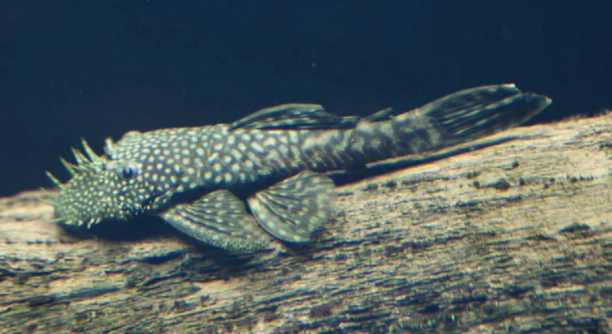
Plecos are fascinating creatures, known for their unique behaviors in the aquarium. If your pleco prefers to eat in private, this might seem puzzling. Understanding their natural instincts can help explain this behavior more clearly.
The behavior of your pleco may be influenced by its natural tendencies as a nocturnal and shy species. They often feel safer eating in secluded areas, away from the attention of other fish or disturbances in the tank.
By understanding why your pleco seeks privacy, you can create a more comfortable environment that supports its natural habits.
Why Do Plecos Prefer Eating in Private?
Plecos are nocturnal creatures that feel safest in quiet, secluded spaces. In the wild, they often hide in crevices or under rocks to avoid predators. This instinct carries over to their behavior in home aquariums. When placed in a tank with other fish, a pleco might seek out hidden spots during feeding time. The quiet and privacy give them a sense of security, allowing them to focus on eating without the stress of competition or unwanted attention.
Their solitary feeding behavior is also related to their feeding habits. Plecos are bottom feeders, typically consuming algae or leftover food. These food sources may be scattered in a tank, making it necessary for the pleco to find a more isolated area to access them without interference from faster, more aggressive fish. This is especially true if the tank has territorial species that might dominate the more visible food sources.
Providing a hiding place for your pleco can help create a more comfortable environment. A simple cave or dense plants can encourage them to eat regularly and reduce stress, allowing for better overall health.
Is It Just About Comfort?
Plecos often avoid the spotlight, not just for feeding, but for their overall well-being. Being out in the open can increase stress levels, which can impact their eating and digestion. This behavior is quite natural.
Creating a tank that offers hidden spots or dark corners allows your pleco to thrive. By offering these spaces, you’re not only helping them feel secure but also encouraging a healthy feeding routine that mimics their natural habitat.
Stress and Anxiety in Plecos
Stress can play a significant role in a pleco’s behavior. When they feel threatened by other fish or too much activity in the tank, they may retreat to private spaces to eat. Plecos are particularly sensitive to their environment, and high levels of stress can disrupt their eating patterns.
Stress in plecos can be caused by various factors, such as aggressive tank mates, sudden changes in water conditions, or frequent movement around the aquarium. When plecos feel overwhelmed, they may choose to eat in private to avoid attention. Creating a calm, stable environment will help your pleco feel more secure, reducing stress and allowing it to eat regularly.
By observing your pleco’s body language and tank conditions, you can identify signs of stress. If your pleco is hiding more than usual or eating less, these could be signs that it’s feeling anxious. Keeping the tank environment peaceful and maintaining a stable routine can help alleviate stress and encourage your pleco to feed in more visible areas.
Tank Setup and Environment
The setup of your aquarium greatly influences your pleco’s behavior. If your tank lacks hiding spots or has too many aggressive fish, your pleco may feel vulnerable and avoid eating in public. A well-planned tank with enough places to hide can encourage the pleco to feel safe while feeding.
Adding caves, rocks, or plants will give your pleco the privacy it needs. These natural hiding spots allow your pleco to retreat when feeling threatened, ensuring it has a place to eat without interference. Ensure there’s enough space in the tank for your pleco to navigate and feel secure, which can also help reduce stress-related behaviors.
Feeding Habits of Plecos
Plecos are known for their unique feeding habits. They are primarily nocturnal and often feed at night when the aquarium is quieter. This allows them to avoid competition for food from other fish and feel more secure in their environment.
Providing food during the evening or in hidden spots will encourage your pleco to eat without the stress of other fish trying to take its share. Offering food at times when the tank is calmer and less active mimics the natural feeding cycle of a pleco.
Importance of Tankmates
The fish you keep with your pleco play a large role in its feeding habits. Aggressive or overly active tankmates can make your pleco feel unsafe, leading it to eat in private. Choosing peaceful species helps create a calmer environment for your pleco.
Plecos do best in tanks with non-aggressive, slow-moving fish. This reduces the chances of bullying and allows the pleco to feel more confident when eating. A peaceful community tank gives your pleco the space and security it needs to thrive.
Lighting and Privacy
Lighting can also affect your pleco’s feeding behavior. If your tank is too brightly lit, your pleco might feel exposed and choose to eat in private. Dimmer lighting often helps them feel more secure.
Lowering the tank’s light intensity or adding more plants and decorations to create shadowed areas will encourage your pleco to feel safer during feeding times. Proper lighting can make a significant difference in how comfortable your pleco feels while eating.
FAQ
Why does my pleco hide during the day?
Plecos are nocturnal creatures by nature, meaning they are most active at night. During the day, they prefer to hide in dark, secluded spots, such as caves or under decorations, to avoid being exposed to bright lights or disturbances. This behavior is completely normal and part of their instinctive need to feel secure. In the wild, they would hide in crevices or among rocks to avoid predators. In your aquarium, providing plenty of hiding places mimics their natural environment and helps reduce stress.
How can I encourage my pleco to eat in front of other fish?
If your pleco prefers to eat in private, there are a few things you can do to help it feel more comfortable eating in the open. One of the simplest methods is to ensure there is enough space in the tank for all fish, reducing competition. You can also try feeding your pleco at different times, such as during quieter periods when other fish are less active. Adding more hiding spots like caves or plants can help your pleco feel secure enough to eat in visible areas.
Can plecos eat with other fish in the same tank?
Yes, plecos can coexist with other fish in a community tank, but it’s important to choose tankmates that are peaceful and not overly aggressive. Some species, especially those with territorial tendencies, can stress out your pleco and cause it to retreat. Non-aggressive fish like tetras, rasboras, or peaceful barbs are good companions. Avoid keeping plecos with fin-nipping species or overly active fish that may disrupt your pleco’s feeding behavior.
Is it normal for my pleco to eat algae only?
Plecos are often referred to as algae eaters, and while they do consume algae, their diet should be more varied. In addition to algae, plecos enjoy eating vegetables like zucchini, cucumber, and spinach. You can also feed them specially formulated sinking pellets or wafers to provide them with a more balanced diet. It’s essential to offer a variety of food to ensure they receive all the nutrients they need for optimal health.
Should I feed my pleco at night?
Feeding your pleco at night can encourage natural feeding behavior, as they are nocturnal animals. Many plecos prefer to eat when the tank is quieter, and there is less activity around them. By offering food after the lights go out, you allow them to eat without the stress of competing with other fish. If you’re concerned about the food not being eaten by other fish, you can use an automatic feeder or feed your pleco in a separate area of the tank to ensure it gets its share.
Why is my pleco not eating?
If your pleco is not eating, there could be a few different reasons. Stress from aggressive tankmates, changes in water quality, or an improper tank environment can cause a pleco to lose its appetite. Ensure that your pleco has plenty of hiding spots to reduce stress and check that the water conditions are optimal. If your pleco continues to refuse food, it could be a sign of illness, and you should consult a vet or aquarium expert for further guidance.
Can I feed my pleco with other fish food?
Plecos can eat certain types of fish food, but it’s essential to provide them with food specifically designed for bottom feeders. While flake food is fine for other fish, it doesn’t offer the nutrients that plecos need. Sinking pellets, algae wafers, and fresh vegetables are better options. If your pleco shares the tank with other fish, ensure it has access to its food by feeding at different times or providing food in secluded areas.
What type of hiding places should I provide for my pleco?
Plecos are shy, secretive fish, so it’s important to create hiding spots where they can retreat when they feel stressed or threatened. Caves, large rocks, and thick plants are great additions to your tank. These hiding places allow your pleco to feel secure, especially during the day when they are most likely to rest. Make sure there are enough hiding spots for each fish in your tank to reduce territorial disputes and stress.
How do I know if my pleco is stressed?
A stressed pleco may exhibit certain behaviors such as excessive hiding, loss of appetite, or erratic swimming. They may also scrape or rub against surfaces in the tank, which can be a sign of irritation. If your pleco is hiding more than usual or seems lethargic, it may be reacting to stress from poor water quality, aggressive tankmates, or other environmental factors. Monitoring tank conditions and providing a peaceful environment can help reduce stress and improve your pleco’s health.
Can I keep a pleco with shrimp?
Plecos can often be kept with shrimp, but it depends on the species of pleco and shrimp. Smaller plecos, like the bristlenose pleco, are typically more peaceful and less likely to harm shrimp. However, larger species of plecos may see shrimp as a food source, so caution is needed. It’s always a good idea to monitor your pleco’s behavior and ensure that the shrimp have plenty of hiding places to avoid being eaten.
Do plecos need a special type of water?
Plecos are relatively hardy but thrive in stable water conditions. They prefer water that is slightly acidic to neutral, with a temperature range of 72-78°F (22-26°C). Regular water changes are necessary to maintain good water quality. Plecos also prefer well-oxygenated water, so ensuring proper filtration and aeration is key to their health. If you’re unsure of your water conditions, invest in a water testing kit to ensure your pleco is living in an optimal environment.
Final Thoughts
Understanding your pleco’s behavior can help ensure it thrives in your tank. These fish are naturally shy and nocturnal, which means they often prefer to feed and hide in private. This behavior is normal and should not cause concern, as it is simply part of their instinctive nature. By providing a calm environment with plenty of hiding spots and reducing tankmate aggression, you can help your pleco feel more secure. With patience, your pleco will likely adjust to its surroundings and may even begin to eat in more visible areas over time.
Creating a comfortable environment for your pleco is key to its well-being. Tankmates play a large role in how comfortable your pleco feels. Peaceful species that don’t disturb your pleco will help it feel safer and less stressed. Similarly, the right water conditions and proper lighting can encourage your pleco to come out and feed more regularly. While plecos are known for eating algae, offering a varied diet can help keep them healthy. Fresh vegetables, sinking pellets, and algae wafers will provide the necessary nutrients to support your pleco’s growth and overall health.
Finally, if your pleco is still eating only in private or showing signs of stress, it may be time to reevaluate the tank environment. Consider checking the water parameters, ensuring the lighting is not too bright, and adding more hiding spots. Stress can be a result of many factors, including overcrowded tanks or poor water quality, and addressing these issues can often resolve the problem. Remember, a relaxed and secure pleco is a healthy pleco. By paying attention to its needs and behavior, you can ensure a long and happy life for your fish.

Hello,
If you enjoy the content that we create, please consider saying a "Thank You!" by leaving a tip.
Every little bit helps us continue crafting quality advice that supports the health, happiness, and well-being of pets around the world, for pets of all shapes, sizes, and species.
We really appreciate the kindness and support that you show us!