
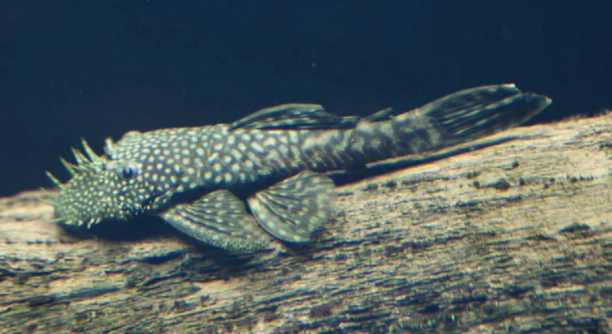
Is your pleco hiding away all day, only making an appearance when the lights are off and the house is quiet?
Plecos are nocturnal by nature, meaning they are most active during the night. This behavior is rooted in their natural habitat, where they avoid predators and search for food under the cover of darkness.
There are a few more things that can affect your pleco’s behavior, including tank setup, lighting, and feeding times.
Understanding Nocturnal Behavior
Plecos are naturally nocturnal fish, meaning they are most active at night and prefer to hide during the day. This behavior comes from their wild roots. In their native rivers and streams, plecos spend daylight hours tucked under rocks or driftwood, avoiding light and predators. When it gets dark, they come out to scavenge for food. Their eyes are adapted to low light, making nighttime the ideal time for them to search for algae, leftover food, and other organic material. If your pleco hides all day, it isn’t necessarily a problem—it’s just acting how it was meant to.
This behavior can sometimes surprise new owners who expected their pleco to swim around more during the day.
If you want to observe your pleco more often, consider dimming the tank lights in the evening. This can encourage it to come out earlier. Adding more hiding spots also helps reduce stress.
Tank Setup Matters
Tank conditions can also influence how active your pleco is during visible hours.
A tank with strong lighting and few hiding places may cause your pleco to retreat even more. These fish feel safest when they have places to hide—like caves, driftwood, or plants. Without those, they’ll often stay hidden behind the filter or squeeze into tight corners. Lighting is another factor. Bright lights can make a pleco feel exposed. Using softer lighting or adding floating plants to reduce brightness can help. Some plecos may become more comfortable with time and start to appear during the day, especially in calm, quiet environments. However, if your tank has too many active fish, especially aggressive ones, your pleco may become even more withdrawn. Creating a calm, low-stress tank environment can make a big difference. Stick to a natural rhythm in lighting and keep noise to a minimum. These small adjustments can encourage your pleco to be more visible without forcing it out of its comfort zone.
Feeding Habits and Timing
Feeding your pleco at the wrong time can affect how often you see it. If you feed during the day, your pleco may miss meals while hiding.
Plecos prefer to eat in the evening or late at night when it’s dark and quiet. If food is only available during the day, other fish may eat it first, leaving your pleco with little to no food. To support its natural schedule, try offering algae wafers, blanched vegetables, or sinking pellets just after turning off the tank lights. This not only ensures your pleco gets its share but also encourages it to come out and feed while the environment feels safer. Observing feeding at night can also give you a better idea of how healthy and active your pleco is. Consistent nighttime feeding may slowly build a sense of trust, leading to more visible activity over time.
Some plecos may adjust slightly to feeding routines, especially if the tank stays peaceful and lighting is not too harsh. You can even train your pleco to associate specific times or conditions with food. Try feeding right before lights-out, and watch how your pleco responds. You might see it emerge regularly, knowing food is coming. Feeding this way supports natural behavior and promotes better health.
Lighting and Stress Levels
Strong, direct lighting can cause stress and keep your pleco hidden for most of the day. Soft, diffused light is much easier on them.
Plecos are light-sensitive, and too much brightness can make them feel unsafe. You don’t need to keep the tank dark all the time, but adding floating plants or shaded areas helps tone things down. Stress from bright lights isn’t just about hiding—it can also affect appetite and health. If you notice your pleco staying in one spot for long periods or avoiding the open space, it may be overwhelmed. Keep tank lighting gentle and on a timer to maintain a routine. A 10- to 12-hour light cycle works well, giving them consistent periods of rest. In tanks with intense overhead lights, it helps to add dim corners or driftwood that naturally blocks light. Your pleco will feel more secure, and in time, it may even start exploring more during the day.
Tank Mates Can Influence Behavior
If your pleco shares the tank with fast or aggressive fish, it may feel the need to hide more often. Peaceful tank mates help create a safer space.
Fish that chase or outcompete for food can stress your pleco. A calm tank encourages more natural activity and visibility.
Age and Species Differences
Not all plecos behave the same way. Some species, like bristlenose plecos, are more outgoing and may come out during the day, especially when they feel secure. Younger plecos also tend to be more cautious and may take longer to adjust. As they age and get used to the tank, they can become more active and comfortable showing themselves. It’s also important to note that certain larger species are strictly nocturnal by nature. If your pleco rarely comes out, it could simply be a trait of its species. Learning your pleco’s specific needs and tendencies helps set realistic expectations for behavior.
Creating a Comfortable Routine
Keep the lights and feeding times consistent each day. Predictable routines help your pleco feel safe enough to come out more often.
FAQ
Why does my pleco hide all day?
Plecos are nocturnal creatures by nature. In the wild, they spend daylight hours in hiding, avoiding predators and searching for food at night. In a home aquarium, they may do the same, seeking shelter during the day in caves, driftwood, or under plants. It’s simply their natural behavior, so there’s no need to worry unless you notice other signs of stress or illness.
How can I make my pleco more active during the day?
To encourage your pleco to be more active during the day, try dimming the lighting in the tank or providing more hiding spots. Creating a calmer environment with less stress can help it feel safer. You can also feed your pleco just before the lights go out, which may encourage it to come out for food during the early evening hours.
Is it normal for plecos to come out only at night?
Yes, it’s completely normal. Plecos are most active at night, and this behavior is hardwired into them. They are scavengers and prefer the cover of darkness when they forage for food. Don’t expect them to be active during the day unless they are comfortable or there is a specific trigger, such as food or tank mates.
Can plecos get stressed?
Yes, plecos can become stressed. Stress can be caused by things like poor water quality, aggressive tank mates, sudden changes in lighting, or overcrowding. A stressed pleco may hide more frequently or stop eating altogether. Keeping a stable and peaceful tank environment with appropriate water parameters is key to preventing stress.
How often should I feed my pleco?
Plecos generally need to be fed once or twice a day. Since they are primarily algae eaters, their diet should be based on algae wafers, blanched vegetables like zucchini or spinach, and occasional protein-based foods like shrimp pellets. Overfeeding can lead to water quality issues, so it’s important to only offer what they can consume in a few hours.
Will my pleco stop hiding if I change the tank’s light?
Changing the light might help. Plecos tend to avoid bright lighting because it makes them feel exposed. Using dimmer or softer lighting can reduce their stress and make them feel safer to come out. It may take some time for your pleco to adjust, but adjusting the lighting can encourage it to be more active during the day.
What type of tank setup is best for my pleco?
To make your pleco feel secure, it’s important to provide hiding places like caves, driftwood, and live plants. A peaceful tank environment with soft lighting, a stable temperature, and clean water helps create the ideal setup for plecos. Make sure the tank has plenty of algae for your pleco to feed on, or provide supplemental food like sinking pellets.
Do plecos need a lot of space?
Yes, plecos can grow quite large, especially species like the common pleco. They need plenty of space to swim and explore. A tank of at least 50 gallons is recommended for most pleco species. Without enough room, they can become stressed and may hide more frequently. Larger tanks also help maintain better water quality, which is important for their health.
Should I worry if my pleco doesn’t eat during the day?
It’s not unusual for a pleco to only eat at night, especially if it’s been fed just before the lights go out. However, if it’s not eating at all or seems to be losing weight, it could be a sign of illness or stress. Check the water quality, tank mates, and feeding schedule to rule out any potential problems.
How can I tell if my pleco is sick?
Sick plecos may show signs like loss of appetite, unusual behavior (e.g., staying in one spot for long periods), faded color, or visible signs of injury or infection (e.g., white spots, swelling). If you notice any of these signs, it’s a good idea to check the water parameters and consult an aquarium professional or veterinarian.
Can plecos live with other fish?
Yes, plecos can live with other fish, but it’s important to choose peaceful tank mates. Plecos can sometimes become territorial, especially when they reach a certain size. Avoid putting them in tanks with aggressive or overly active fish. Community tanks with gentle, slow-moving fish are usually a good choice.
Why does my pleco suck on things other than food?
Plecos are known for “sucking” on surfaces like glass, rocks, and decorations. They use their specialized mouths to scrape algae and biofilm off surfaces. If your pleco is sucking on something else, it’s likely searching for food or simply trying to clean. This behavior is completely normal.
Do plecos need to be quarantined when introduced to a new tank?
Yes, it’s always a good idea to quarantine new fish before adding them to an established tank. This helps prevent the spread of any potential diseases or parasites. Even though plecos are hardy, they can still carry illnesses that could affect the other fish in your tank.
What is the best way to keep my pleco healthy?
To keep your pleco healthy, provide a clean, stable environment with good water quality. Regular water changes and proper filtration are crucial. Feed your pleco a varied diet that includes algae, vegetables, and sinking pellets. Regularly check the water parameters like pH, temperature, and ammonia levels to ensure they are within the ideal range.
Final Thoughts
Plecos are fascinating creatures that can thrive in your aquarium if their needs are met. Their nocturnal nature is a key factor in why they often only come out at night. In the wild, they avoid predators by staying hidden during the day, emerging under the cover of darkness to feed. This natural behavior is something to expect, and it’s completely normal. Understanding this will help you be more patient and less concerned if your pleco spends most of the day tucked away.
While it may be tempting to try to change their behavior, it’s important to let your pleco’s instincts guide how you care for it. Making simple adjustments, such as dimming the lights or adding more hiding spots, can encourage your pleco to feel more comfortable in its environment. Over time, it might gradually become more active during the day, but don’t expect it to fully change its habits. Remember, plecos thrive when they feel safe and secure, and sometimes that means they’ll continue to be more active at night.
Ultimately, taking the time to create a peaceful and stable tank setup is the best way to support your pleco. Whether it’s adjusting feeding times, providing adequate hiding spots, or ensuring proper water quality, these small changes can make a big difference in your pleco’s comfort level. As long as you observe their behavior, offer the right environment, and feed them appropriately, your pleco will likely live a healthy and content life in your aquarium. Keep in mind that their habits might never fully align with your expectations of daytime activity, but this is just part of their natural charm.

Hello,
If you enjoy the content that we create, please consider saying a "Thank You!" by leaving a tip.
Every little bit helps us continue crafting quality advice that supports the health, happiness, and well-being of pets around the world, for pets of all shapes, sizes, and species.
We really appreciate the kindness and support that you show us!