
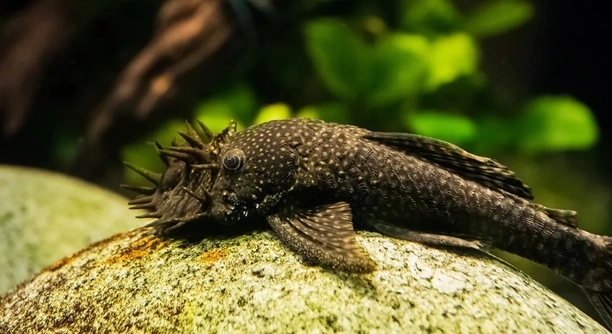
Sometimes, you might notice your pleco climbing the filter in your aquarium. While it may seem odd, this behavior is actually quite common for these fish. Understanding why it happens can help ensure your tank stays healthy.
Plecos often climb the filter due to their natural instinct to seek better water conditions. They may be looking for more oxygenated water or a surface to graze on. Ensuring proper filtration and tank setup can reduce this behavior.
This article will explore why plecos engage in this behavior and offer helpful tips to manage it effectively.
Why Plecos Climb the Filter
Plecos are known for their unique behavior, and climbing the filter is one of the most noticeable actions they perform. This behavior is often linked to their natural tendencies and instincts. Plecos are bottom dwellers in the wild, and they constantly search for stable surfaces to latch onto. In a home aquarium, the filter can provide an ideal spot for them to attach and rest, especially if the current is strong. They may also seek better oxygenated areas, as filters tend to create regions of increased water movement, which helps with respiration.
A pleco climbing the filter may also be searching for food. These fish often graze on algae, and filters can accumulate food particles or algae growth that the pleco finds appealing. The texture of the filter can mimic natural surfaces, which may attract the pleco to it even more. In some cases, climbing can also be a result of the pleco feeling stressed, which often happens in tanks with inadequate space or water quality.
The filter provides both an opportunity for rest and for food, but it’s essential to ensure that it is not the sole source of comfort. A varied environment, with hiding spots and plenty of natural surfaces, can keep your pleco from constantly climbing the filter.
The Importance of Proper Tank Setup
If your pleco keeps climbing the filter, it’s time to look at the overall setup of your aquarium. Water quality, space, and tank accessories all play significant roles in this behavior.
To help prevent this, you should ensure the water temperature and oxygen levels are optimal. A well-established tank with stable parameters will make your pleco feel more secure. Adding decorations or driftwood can create a more natural environment and give them more places to explore, reducing their reliance on the filter. Providing sufficient algae growth or supplementary food can also prevent them from seeking food on the filter.
While plecos are relatively low-maintenance fish, they do need proper care to thrive. Understanding their needs and adjusting their environment can eliminate unwanted filter climbing. Over time, these adjustments will help your pleco feel more comfortable and reduce their need to climb.
Tank Size and Space
Plecos require adequate space to feel comfortable in an aquarium. A tank that is too small can cause stress, leading to climbing behavior. While plecos can grow large, even a small pleco needs room to move and explore.
A cramped tank forces plecos to look for alternative surfaces, such as the filter. This behavior is often a sign that the pleco doesn’t feel secure. A larger tank allows for better water flow and more areas to hide, making your pleco feel less compelled to climb. Make sure your tank size is suitable for the size of the pleco.
Adding decorations and plants can further provide hiding spots and climbing surfaces that are more appropriate for their behavior. By giving your pleco more space and structure, you’ll reduce the urge to cling to the filter.
Water Quality and Filter Setup
Water quality plays a crucial role in reducing climbing behavior. If the water conditions in your tank aren’t ideal, your pleco may seek out areas like the filter to find better water circulation or oxygen.
Ensure the filter is appropriately sized for your tank. A filter that’s too strong or poorly positioned may create currents that are too intense, causing your pleco to climb. On the other hand, a filter that’s not strong enough may lead to stagnant water, prompting the pleco to look for cleaner, more oxygenated spots. Regular water changes and proper filtration will help keep your pleco comfortable.
By balancing water flow and providing good filtration, you can minimize your pleco’s need to seek out the filter.
Feeding Habits
If your pleco isn’t getting enough food, it may look for alternatives, including climbing the filter. Plecos are algae eaters, but they also enjoy other food sources like sinking pellets or vegetables.
To ensure they are properly fed, provide a variety of food options. A lack of food can lead to them seeking out the filter area where leftover food or algae might be present. Regularly cleaning the filter can help prevent this.
By offering a balanced diet, you can reduce the likelihood of your pleco constantly climbing. Ensure that they are getting enough nutrition to stay healthy and satisfied.
Stress Factors
Stress can make plecos more prone to unusual behavior like climbing the filter. Overcrowding, poor water quality, or incompatible tank mates can contribute to increased stress levels.
Plecos are sensitive to changes in their environment, so maintaining a stable habitat is essential. Monitor your tank’s conditions and make sure your pleco has enough space to roam. Stress-related behaviors can also be reduced by ensuring they aren’t competing for food with other fish.
Ensuring that your pleco’s environment is calm and consistent will help prevent climbing behavior.
Tank Mates
Plecos can be social, but they don’t always get along with all tank mates. Aggressive or territorial fish may cause stress, leading to climbing the filter. Make sure your tank mates are compatible.
Choose peaceful fish that won’t harass your pleco. Larger or more aggressive fish can intimidate plecos, making them seek refuge in areas like the filter. It’s essential to monitor interactions and make sure your pleco feels safe with its companions. By carefully selecting tank mates, you can help your pleco avoid stress and reduce unwanted climbing behavior.
FAQ
Why does my pleco climb the filter?
Plecos may climb the filter for a variety of reasons, such as seeking better water conditions, finding food, or escaping stressful situations. Filters often provide a current, which plecos find oxygen-rich and comfortable. Additionally, the surface of the filter may mimic natural environments where they like to attach and rest. If they’re climbing more than usual, it could also indicate a lack of hiding spots or food sources within the tank.
Can climbing the filter harm my pleco?
Generally, climbing the filter does not harm your pleco. However, excessive climbing may indicate discomfort in the tank, such as poor water quality or inadequate tank size. It’s important to ensure that the filter is safe, with no sharp edges or areas where the pleco could get stuck. Consistent climbing may also signal that the pleco is not finding enough space or food in the tank.
What is the ideal tank size for a pleco?
Plecos can grow quite large, and they require enough space to move freely. A minimum tank size of 75 gallons is recommended for adult plecos. This ensures they have enough room to graze, hide, and explore. Smaller tanks will cause them to feel cramped, which can lead to stress and increased climbing behavior.
How can I stop my pleco from climbing the filter?
To stop your pleco from climbing the filter, ensure they have a comfortable and well-maintained environment. This includes a properly sized tank, a balanced diet, and stable water conditions. Adding more hiding spots, such as driftwood, rocks, and plants, can reduce the need for the pleco to cling to the filter. Additionally, regular water changes and monitoring filtration can help maintain an optimal environment.
Can my pleco live with other fish?
Plecos are generally peaceful and can live with most non-aggressive fish. However, it’s important to avoid tank mates that are too aggressive or territorial, as these can stress out your pleco. Fish like tetras, guppies, and peaceful catfish are good companions. Avoid placing plecos with fish that might fight over territory, especially if the tank is small.
What can I feed my pleco besides algae?
In addition to algae, plecos enjoy a variety of foods like sinking pellets, blanched vegetables (such as zucchini, cucumber, or spinach), and occasional protein sources like shrimp or bloodworms. Providing a balanced diet helps ensure your pleco stays healthy and satisfied. If your pleco is not finding enough food in the tank, it may resort to climbing the filter for any leftover food.
How do I ensure proper water quality for my pleco?
Proper water quality is essential for a healthy pleco. Make sure to regularly check the water parameters, including pH, ammonia, nitrites, and nitrates. The water should be clean, well-filtered, and have stable temperatures. Plecos thrive in water that is slightly alkaline, with temperatures between 72-82°F (22-28°C). Regular water changes, typically 25-30% every two weeks, will help maintain a healthy environment.
Do plecos need a filter to be healthy?
Yes, plecos need a filter to help maintain clean water, as they are sensitive to poor water quality. A strong filter ensures that harmful toxins like ammonia and nitrites are removed from the water. However, the filter should not create strong currents that may stress your pleco. Adjusting the filter flow or placing it in a less intense area of the tank can prevent excessive climbing behavior.
Can plecos live without a filter?
While it is possible for plecos to survive in an aquarium without a filter, it is not ideal for their long-term health. Without proper filtration, the water will quickly become polluted, and plecos are highly sensitive to toxins. It is crucial to maintain a clean tank, either with a filter or through frequent water changes. However, a filter makes it much easier to maintain a stable environment for your pleco.
What type of pleco is best for beginners?
For beginners, the bristlenose pleco is often the best choice. It stays smaller than other pleco species, usually reaching around 4-6 inches, making it more manageable in smaller tanks. Bristlenose plecos are hardy, can tolerate a variety of water conditions, and are excellent algae eaters. They are less likely to cause tank damage due to their smaller size and peaceful nature.
Why is my pleco not eating algae?
If your pleco is not eating algae, it may be due to several factors. They could be receiving enough food through other sources, or there might not be enough algae growth in the tank. You can try supplementing their diet with sinking pellets, blanched vegetables, or algae wafers. If there is an issue with water quality or tank conditions, the pleco may also be less likely to eat algae.
How often should I feed my pleco?
Plecos should be fed once or twice a day, with a mix of algae-based food and occasional protein sources. It’s important not to overfeed, as uneaten food can pollute the water and lead to poor tank conditions. The pleco should always have access to food that they can graze on, such as algae wafers or vegetables.
What other fish are compatible with plecos?
Plecos generally do well with peaceful community fish. Some good tank mates include tetras, gouramis, and other non-aggressive catfish. Avoid placing plecos with overly territorial or aggressive fish like cichlids, as they can cause stress. When choosing tank mates, always ensure that the fish are compatible with the pleco’s peaceful nature and water requirements.
Why is my pleco staying near the filter?
If your pleco is constantly near the filter, it may be looking for better water conditions or more oxygen. The filter provides a current and oxygen-rich water flow, which plecos find appealing. It could also be searching for food or simply resting. If this behavior becomes excessive, it might indicate that your pleco is not comfortable in the tank environment, and adjustments may be necessary.
Final Thoughts
Understanding why your pleco climbs the filter can help create a better environment for both your fish and your tank. While this behavior may seem unusual, it often points to deeper issues like food availability, water quality, or stress. By paying attention to these factors, you can provide a more comfortable and healthy space for your pleco to thrive. It’s important to address the root cause of the climbing behavior to prevent it from becoming a long-term problem.
The most common reason for plecos climbing filters is stress or a lack of food. Ensuring that your pleco has access to a varied and nutritious diet is essential. Sinking pellets, vegetables, and algae wafers can provide the necessary nutrients. It’s also crucial to check water quality regularly, as plecos are sensitive to ammonia, nitrites, and other toxins. Regular water changes and proper filtration will keep your tank environment stable, reducing stress for your pleco and preventing unnecessary climbing.
Finally, it’s important to observe your pleco’s behavior and make adjustments as needed. Ensure your tank is large enough for your pleco to move freely, and add plenty of hiding spots or places to rest. This helps reduce stress and provides a sense of security. Monitoring interactions with tank mates and avoiding overcrowding can also make a big difference. With proper care, your pleco will feel more at ease, and you’ll enjoy watching it move freely in its natural environment.

Hello,
If you enjoy the content that we create, please consider saying a "Thank You!" by leaving a tip.
Every little bit helps us continue crafting quality advice that supports the health, happiness, and well-being of pets around the world, for pets of all shapes, sizes, and species.
We really appreciate the kindness and support that you show us!