
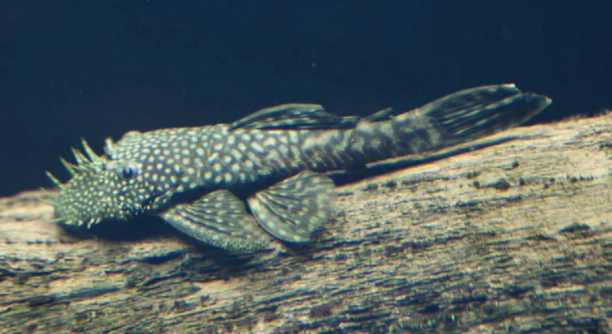
Many aquarium owners have noticed that their plecos tend to hide whenever someone walks by their tank. This behavior can be puzzling, especially for those who are just starting to care for these fascinating fish.
The primary reason your pleco hides when you walk by is due to its natural instinct to feel safe and secure. Plecos are nocturnal creatures, and sudden movements or changes in their environment can cause them to retreat to a hiding spot.
Understanding this natural behavior will help you provide a more comfortable environment for your pleco. By managing your movements around the tank and adjusting the aquarium setup, you can reduce stress and improve your pleco’s well-being.
Pleco Behavior and Its Need for Security
Plecos are naturally shy and cautious creatures, which is why they often hide when they feel threatened or uncomfortable. Their tendency to avoid human interaction is rooted in their instincts. In the wild, they seek shelter in crevices or caves to protect themselves from predators. In your tank, the sudden movement of a person walking by can be enough to trigger this behavior. The pleco may hide to avoid feeling exposed, as its primary concern is staying safe. This reaction is not personal; it’s simply part of its natural defense mechanism.
Over time, plecos may become accustomed to their environment and the routine of their owners. If your pleco hides regularly, it might be more sensitive to movements around the tank. A little patience is needed, but with consistent behavior and proper tank conditions, your pleco may eventually feel more comfortable.
Creating a peaceful, stable environment with hiding spots can also help your pleco feel more secure, reducing the need to hide as often. This can include adding rocks, driftwood, or plants to mimic its natural habitat.
The Impact of Stress on Your Pleco
Plecos are sensitive to stress, which can trigger hiding.
Excessive noise, sudden movements, or changes in water quality can all contribute to stress. If the pleco doesn’t feel safe in its environment, it will retreat into its hiding spot. Stress can also affect your pleco’s health over time. It’s important to avoid startling them with quick movements, especially during feeding times. Instead, try to approach your tank calmly, and let your pleco come out on its own when it feels ready. Ensuring that the water is clean and that there are plenty of hiding spots can help ease their anxiety.
Tank Setup and Hiding Spots
Plecos need a tank setup that mimics their natural environment. Providing hiding spots like caves, plants, or driftwood gives them a safe space to retreat when they feel threatened. This reduces the stress they might experience when they see you approach the tank.
The more natural and secure the environment, the less likely your pleco will feel the need to hide constantly. Tank decorations that create plenty of nooks and crannies for hiding will make your pleco feel more at home. It’s important to ensure these hiding spots aren’t overcrowded, as too many could cause your pleco to feel trapped.
In addition to physical hiding spots, the overall setup should be stable. Maintain the water temperature, pH levels, and filtration regularly to avoid creating stressors. A calm and secure environment will encourage your pleco to come out of hiding more often.
Pleco Feeding Habits and Their Effect on Behavior
Feeding time can also influence your pleco’s behavior.
If you feed your pleco too quickly or cause a lot of movement around the tank, it may retreat. Plecos are bottom feeders, and they prefer to feed in peace, away from disturbances. When you approach the tank, try to remain still, allowing your pleco time to adjust and come to the food. Over time, as it becomes accustomed to your routine, it may feel less inclined to hide during feeding sessions.
Keeping the tank peaceful during feeding will not only help your pleco feel safe but also ensure it is getting the proper nutrition. Avoid overcrowding the tank with other fish that might compete for food, as this could cause your pleco additional stress. Feeding at regular intervals will also help your pleco build trust and reduce hiding.
Pleco Species and Their Behavior
Different pleco species have varying levels of shyness. Some are more outgoing, while others are naturally more reserved. Knowing your pleco’s species can help you understand its behavior better. Some types may hide more frequently due to their natural instincts or the environment they’re adapted to.
For example, species like the common pleco are more likely to hide often, as they are nocturnal and prefer to stay hidden during the day. Others, such as the bristlenose pleco, might be more active and less prone to hiding. Understanding the specific needs of your pleco species can guide you in adjusting your care.
Water Quality and Its Effect on Behavior
Water quality plays a major role in your pleco’s comfort.
Plecos are sensitive to poor water conditions. If the water is too dirty, too warm, or the pH is imbalanced, your pleco may seek refuge in a hiding spot. A clean, stable environment will allow your pleco to feel secure and less likely to hide. Regular water changes and proper filtration are crucial to keep your pleco happy.
The Role of Lighting in Pleco Behavior
Plecos are sensitive to lighting conditions.
Excessive lighting can make them feel exposed and stressed. Dim lighting or areas with low light will help them feel more secure. If you use bright tank lights, try to limit their exposure or provide shaded areas where your pleco can retreat.
FAQ
Why does my pleco hide so much?
Plecos are naturally shy and tend to hide when they feel threatened or insecure. This behavior is instinctual, as it helps them stay safe from predators. In the wild, they often seek out caves or crevices to hide in, and this instinct carries over into their behavior in the aquarium. It’s also possible that your pleco is adjusting to its environment and learning to trust its surroundings.
How can I help my pleco feel more comfortable?
Creating a calm environment is key. Add plenty of hiding spots, such as caves, driftwood, or plants. Plecos feel more secure in an environment where they can retreat when necessary. Also, minimize sudden movements or loud noises around the tank. Keeping water conditions stable—like temperature and pH—will also help your pleco feel more at ease.
Do plecos prefer light or dark environments?
Plecos are nocturnal creatures, meaning they are more active at night and prefer darker, more secluded areas during the day. Bright lighting can cause them to feel exposed and stressed. Dim lighting or areas with shade in the tank will allow your pleco to feel more secure and less likely to hide.
Why does my pleco only come out at night?
Since plecos are primarily nocturnal, they are naturally more active during the evening and night. They prefer to stay hidden during the day to avoid being exposed. This behavior is a normal part of their biological clock, and it’s best not to be alarmed if they are more active when the lights go off.
How do I know if my pleco is stressed?
Signs of stress in a pleco include hiding more often than usual, refusing to eat, or displaying unusual swimming patterns. If your pleco is constantly hiding or seems lethargic, it might be stressed due to poor water quality, sudden changes in the tank, or the presence of aggressive tankmates. Keep an eye on these behaviors, as long-term stress can affect your pleco’s health.
Can I train my pleco to stop hiding?
While you can’t fully train your pleco to stop hiding, you can help it feel more comfortable in its environment. By ensuring a peaceful tank setup, maintaining proper water conditions, and offering consistent routines (such as feeding at the same times), you’ll allow your pleco to gradually feel more secure and less inclined to hide. Be patient, as it may take time for your pleco to adjust.
Does my pleco need a lot of space to be happy?
Yes, plecos are active swimmers and need plenty of space to thrive. A cramped tank can lead to stress, which may cause your pleco to hide more often. It’s important to provide enough room for your pleco to move around comfortably and explore. A larger tank also allows you to create more hiding spaces and keep the water quality stable.
How often should I feed my pleco?
Feeding your pleco two to three times a week is generally sufficient. Plecos are bottom feeders, so they often graze on algae in the tank. If you’re feeding them supplemental food, make sure it’s appropriate for their species, such as algae wafers or fresh vegetables. Overfeeding can cause stress, so it’s best to keep feeding intervals regular and avoid leaving uneaten food in the tank for too long.
Can plecos live with other fish?
Plecos can live with other fish, but it’s important to choose tankmates carefully. Some plecos are more territorial and may not get along with aggressive fish. It’s best to pair them with peaceful fish that won’t invade their space. Also, ensure your pleco has plenty of hiding spots to retreat to if it feels threatened by other fish.
How do I know if my pleco is healthy?
A healthy pleco will be active during its usual feeding times, have a clean and vibrant appearance, and exhibit normal swimming patterns. If your pleco starts hiding excessively, loses its appetite, or shows signs of illness (like faded coloring or abnormal behavior), it might be an indicator that something’s wrong. Regular water changes and good tank maintenance are essential for maintaining a healthy environment.
Why does my pleco have white spots?
White spots on your pleco could be a sign of a parasitic infection, such as ich. This is a common issue in aquarium fish and can cause discomfort for your pleco. If you notice white spots, it’s important to treat the infection promptly. You can raise the water temperature and add medication designed to treat ich. If symptoms persist, consult an aquarium specialist.
Is it normal for my pleco to be a little shy at first?
Yes, it’s perfectly normal for a pleco to be shy when first introduced to a new tank. Plecos need time to adjust to their surroundings and become familiar with their new environment. As long as your pleco is not displaying signs of illness or distress, it should eventually become more comfortable and less prone to hiding.
Do plecos need to be alone in the tank?
No, plecos generally do well in community tanks as long as their tankmates are peaceful. However, some species of plecos can become territorial, especially if there are multiple plecos or other bottom-dwelling fish. If you have more than one pleco, make sure the tank is large enough for them to each have their own space.
Final Thoughts
Understanding why your pleco hides when you walk by can help you make adjustments that will improve its comfort and reduce stress. Plecos are naturally shy creatures, and hiding is part of their instinct to stay safe. It’s important to remember that their behavior isn’t personal—it’s simply their way of protecting themselves from potential threats. Whether it’s due to the sudden movement, noise, or other factors, your pleco’s instinct is to retreat to a safe space where it feels secure. Recognizing this behavior allows you to better understand your pleco’s needs and make changes that can help it feel more comfortable in its tank.
Creating a stable and peaceful environment for your pleco is essential. By ensuring proper water quality, maintaining a calm atmosphere around the tank, and providing plenty of hiding spots, you can minimize the chances of your pleco hiding all the time. Over time, as your pleco becomes familiar with its surroundings and grows more comfortable with your presence, it may feel more confident and less inclined to hide. However, this process can take some time, so patience is key. It’s important not to force your pleco out of its hiding spot or cause any further stress, as this could lead to health issues.
Lastly, it’s crucial to remember that every pleco is different. Some plecos are more shy and reserved, while others are more outgoing. Their species, size, and individual personalities all play a role in how they behave. The goal is to provide them with an environment where they feel safe and secure, which will ultimately help reduce their need to hide. If your pleco continues to hide excessively or shows signs of stress or illness, it might be helpful to reassess its tank setup and make sure everything is optimized for its well-being.

Hello,
If you enjoy the content that we create, please consider saying a "Thank You!" by leaving a tip.
Every little bit helps us continue crafting quality advice that supports the health, happiness, and well-being of pets around the world, for pets of all shapes, sizes, and species.
We really appreciate the kindness and support that you show us!