
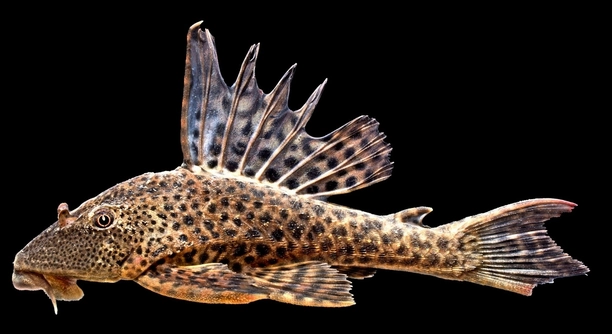
Some plecos have a tendency to follow other fish around. This behavior can seem puzzling, but it has various explanations based on the pleco’s natural instincts and environment. Understanding the causes can help ensure healthy tank dynamics.
Plecos may follow other fish as a part of their natural behavior, such as seeking food, territory, or companionship. In the wild, they are often bottom dwellers and may follow other species for protection or feeding opportunities.
This behavior plays a role in their social interactions and overall well-being. Understanding why your pleco behaves this way can help you provide a more harmonious aquarium environment.
Why Do Plecos Follow Other Fish?
Plecos are known to follow other fish around in an aquarium, and it’s not always a sign of trouble. Most of the time, they are searching for food. Plecos are bottom feeders, meaning they look for small bits of food that fall from the water column. In the wild, they often follow other species in search of leftovers. This behavior is often seen when fish like tetras or angelfish swim above them, stirring up particles that plecos can feed on.
Plecos can also follow other fish for protection. In nature, they tend to be solitary creatures, but following other fish can provide some safety from potential predators. In a tank, the presence of other fish may make the pleco feel more secure.
This behavior can also be a sign of companionship. Plecos may follow fish around simply because they are social creatures, even if they are not overtly interactive. They might just feel comfortable in their company, especially in a well-established tank with peaceful species.
Is It Just About Food?
For plecos, food is a major motivation for following other fish. As bottom feeders, they rely on any food that sinks to the substrate. They tend to follow active fish because they often disrupt the water and make food more accessible. Plecos will latch on to the idea that other fish can help them find sustenance.
Plecos are opportunistic feeders, and they do not mind sharing a meal with others. They will follow any species that might lead them to a potential food source. In a tank, this might lead to the pleco staying close to faster-moving fish, looking for any scraps that drop.
Understanding this behavior helps aquarium owners provide the right conditions. If there is plenty of food in various places in the tank, plecos are less likely to follow other fish for meals. Ensuring that food is distributed evenly can also help reduce this behavior and encourage healthier feeding habits.
Pleco Behavior in the Aquarium
While food is the primary reason plecos follow other fish, there are other factors at play. In many aquariums, plecos may feel more secure by staying close to active fish, especially in tanks with many species. They tend to avoid swimming in open spaces, preferring to stick near structures like rocks or plants.
For plecos, being near other fish can also help them navigate their environment. As bottom dwellers, they may not see the upper layers of the tank as clearly. By following fish, they may simply be using them as guides through the aquarium. This behavior allows them to adapt to the social environment of the tank, where different species interact with one another.
Although it may seem unusual to human observers, this behavior is not inherently negative. As long as the other fish are not aggressive, plecos following them can be part of natural behavior that promotes their well-being.
Is It an Issue if My Pleco Follows Other Fish?
If your pleco is following other fish around, it’s usually harmless. In most cases, it’s simply a behavior related to feeding or safety. However, if the pleco starts to display more aggressive behavior, it could indicate an issue. Monitoring interactions between your pleco and other fish will help determine if there’s any cause for concern.
Most plecos are peaceful fish that enjoy the company of others. As long as the tank mates are compatible, the pleco’s following behavior doesn’t typically disrupt the ecosystem. However, if your pleco begins to display signs of stress or aggression, it’s important to intervene.
To keep peace in the tank, ensure that your pleco has enough space and food. If other fish are frequently disrupting the water column, it may cause additional stress for your pleco. Providing a balanced tank environment is key to minimizing these behaviors.
How Can I Reduce This Behavior?
If you’re looking to reduce the behavior of your pleco following other fish, a few steps can help. First, consider adding more hiding spots or structures in your tank. Plecos thrive in environments where they can hide and feel secure. With plenty of cover, your pleco may be less inclined to follow other fish around for comfort.
Offering varied feeding options can also reduce the behavior. By providing food in different areas of the tank, you can encourage your pleco to focus on its own feeding grounds. This can help limit the amount of interaction with other fish, especially those that disrupt the water column.
Lastly, keeping a peaceful tank environment with appropriate tank mates will help prevent unnecessary stress for your pleco. If the tank has aggressive fish, the pleco may follow others out of necessity. By maintaining the right balance, you can support a calm, healthy environment for all your aquatic species.
Can Plecos Become Too Attached to Other Fish?
Plecos can form attachments to other fish, but it’s usually not to the extent of causing harm. They may follow other fish for companionship or comfort. This is a natural behavior, especially in tanks where the pleco feels secure alongside other species.
While it’s rare for plecos to become too attached, they may rely on other fish for protection or guidance. This can happen in tanks with multiple species, especially if the pleco is not comfortable navigating the space alone. The attachment, however, is typically based on instinct rather than deep emotional bonds.
Keeping a good balance of fish in the tank will ensure that no one fish becomes too reliant on the others. Providing hiding spots and plenty of resources for all the fish helps prevent this type of behavior from becoming a concern.
Pleco Tank Setup for a Balanced Environment
A well-planned tank setup is crucial for preventing excessive following behavior in plecos. Including plenty of hiding spots such as caves, rocks, and plants will give your pleco a sense of security. Plecos are bottom dwellers that prefer sheltered areas where they can retreat from other fish.
Ensuring there is adequate space for all fish to thrive is another important factor. Overcrowding can lead to stress, encouraging plecos to follow other fish for comfort. Additionally, make sure the water quality is optimal. Consistent water parameters will promote the overall health of your pleco and help reduce unnecessary behavior patterns.
Finally, ensure that you provide a proper diet for your pleco. Offering a variety of foods, including algae wafers, vegetables, and protein sources, helps keep your pleco occupied and less focused on following other fish for food.
How to Identify Stress in Your Pleco
If your pleco starts exhibiting unusual behavior, it could be a sign of stress. A stressed pleco may stop eating, become more reclusive, or show signs of aggression. It’s important to monitor these changes and address any possible causes of discomfort in the tank.
FAQ
Why does my pleco follow my other fish around?
Plecos often follow other fish around to find food. As bottom feeders, they look for leftovers or food particles that fall from the water column. It’s a natural behavior for them to stay near more active fish that stir up debris. Additionally, following other fish may provide them with a sense of safety in a tank. Plecos are generally peaceful and feel secure when there are other fish around, especially in larger tanks with varied species.
Should I be concerned if my pleco follows other fish constantly?
If your pleco follows other fish frequently, it’s usually not a cause for concern. However, excessive following could indicate stress or a lack of comfort in the tank. Plecos are solitary by nature, and they may feel the need to follow others if they are anxious. Make sure your tank provides enough hiding spots and is not overcrowded, as these factors can contribute to stress. Ensure there’s enough food and that the water quality is optimal to keep your pleco healthy.
How can I prevent my pleco from following other fish too much?
To prevent your pleco from constantly following other fish, provide plenty of hiding spots. Plecos are bottom dwellers and prefer secluded areas where they can retreat. Use decorations like rocks, caves, and plants to create a more secure environment. Additionally, offer food in various areas of the tank to encourage your pleco to focus on its own feeding grounds. Keeping the tank peaceful with compatible species can also reduce the need for your pleco to follow other fish.
Is it normal for plecos to follow fish of other species?
Yes, it’s normal for plecos to follow fish of different species. They are opportunistic feeders and will follow any fish that leads them to food. Plecos may also feel safer around other fish, especially in tanks with peaceful species. As long as the behavior isn’t accompanied by aggression or other signs of stress, it’s simply a part of their natural instincts.
Can my pleco harm other fish by following them around?
It’s unlikely that your pleco will harm other fish just by following them. Plecos are generally peaceful fish and tend to avoid confrontation. However, if your pleco feels threatened or cornered, it might act defensively. It’s important to ensure your tank has compatible species, as aggressive fish might trigger unwanted behavior in your pleco.
Do plecos need other fish for company?
Plecos are solitary by nature, but they do benefit from the presence of other fish in a tank. While they don’t form deep emotional bonds, they may feel more comfortable when other fish are present, especially if they are peaceful species. The presence of other fish can also make them feel safer, particularly in larger tanks with a balanced environment.
Can plecos follow each other?
Yes, plecos can follow other plecos, especially if they are in a large tank. In such environments, plecos may form loose social groups where they move together to find food or explore the tank. However, plecos are generally not as social as some other fish species, and this behavior is usually more about searching for food or seeking security.
Why does my pleco follow my fish but not interact with them?
Plecos are more likely to follow other fish in search of food or for comfort, but they don’t often engage in active social behavior. They are bottom feeders and prefer to stay near the substrate, while other fish may occupy the upper areas of the tank. Your pleco is likely following the fish to find food or because it feels more secure in their presence, but it won’t typically interact directly with them.
How does tank size affect pleco behavior?
Tank size can significantly influence pleco behavior. In a small tank, plecos might feel stressed and more inclined to follow other fish. They require space to move freely and feel secure. A larger tank with adequate hiding spots will help your pleco feel more comfortable, reducing the likelihood of it following other fish for safety or comfort. Additionally, more space means better distribution of food, which can prevent your pleco from relying on other fish to find meals.
Are there specific fish that plecos prefer to follow?
Plecos do not have a preference for specific species to follow, but they are more likely to follow fish that stir up food particles. Fish like tetras or angelfish, which swim through the middle or upper parts of the tank, often leave debris behind. Plecos will naturally follow these fish in search of food. However, as long as the other fish are peaceful and not overly aggressive, your pleco will likely feel comfortable around a variety of species.
Does the behavior of my pleco change if I have a breeding pair?
Breeding plecos may exhibit different behavior patterns compared to single plecos. A breeding pair may become more territorial and less likely to follow other fish. In some cases, one pleco may follow the other more closely as part of their mating ritual or to protect the breeding site. If this behavior becomes aggressive or if there are signs of stress in the tank, it’s important to monitor the situation and adjust accordingly.
Can water conditions affect pleco behavior?
Yes, poor water conditions can affect pleco behavior. If the water quality is low, plecos might become stressed, leading to more erratic behavior, including following other fish excessively. Maintaining proper water parameters, such as temperature, pH, and filtration, is crucial to keeping your pleco healthy and reducing unwanted behaviors. Regular water changes and monitoring the tank’s cleanliness can prevent these issues.
How do plecos handle competition for food?
Plecos are not typically aggressive eaters but may compete with other fish for food, especially in a crowded tank. If other fish are more active or quicker at reaching food, plecos may follow them to get a share of the food. Providing ample food in various areas of the tank can help reduce competition and ensure that your pleco is getting enough nourishment without needing to follow others around.
Final Thoughts
Plecos are fascinating creatures that play an essential role in many home aquariums. Their behavior of following other fish is often a natural and harmless instinct. This tendency is typically driven by their need to find food or feel more secure in the presence of other fish. While this behavior is common, it’s important to observe your pleco’s actions to ensure it isn’t a sign of stress or discomfort. Most of the time, following other fish is just a way for plecos to feel comfortable in their environment.
If you notice your pleco following other fish too frequently, it’s worth examining the overall setup of your tank. Providing enough hiding spaces, maintaining a proper tank size, and ensuring good water quality will help reduce stress and make your pleco feel more at ease. Plecos, like other fish, can become stressed when their environment isn’t ideal. This stress can sometimes lead to behaviors like following other fish excessively. Therefore, keeping your tank well-maintained and peaceful will support your pleco’s overall well-being.
Ultimately, understanding your pleco’s behavior helps ensure a healthy, balanced tank environment. While following other fish is usually harmless, it’s important to pay attention to any signs of stress. By offering proper care, adequate space, and a variety of food sources, you can ensure your pleco remains content and comfortable. Regular tank maintenance and monitoring are essential to preventing any potential issues. With the right care, your pleco can thrive and coexist peacefully with other fish, providing a healthy, harmonious environment in your aquarium.

Hello,
If you enjoy the content that we create, please consider saying a "Thank You!" by leaving a tip.
Every little bit helps us continue crafting quality advice that supports the health, happiness, and well-being of pets around the world, for pets of all shapes, sizes, and species.
We really appreciate the kindness and support that you show us!