
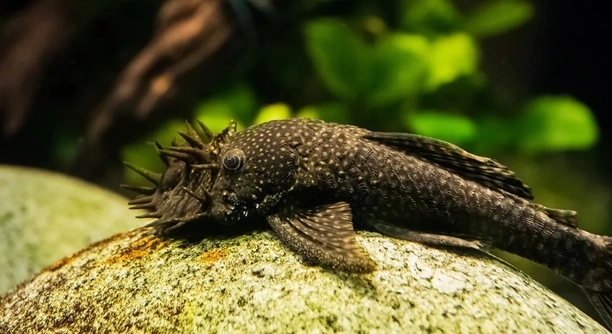
A pleco, a popular freshwater fish, often spends much of its time near the bottom of the tank. However, it may sometimes avoid this area for various reasons. Understanding these behaviors can help address concerns regarding their health or environment.
Plecos may avoid the bottom of the tank due to several factors, such as poor water quality, temperature fluctuations, or stress. Inadequate hiding spots or lack of proper food may also discourage them from staying near the substrate.
Addressing these factors can create a better environment for your pleco, ensuring it stays comfortable and healthy in its tank.
Common Reasons Why Your Pleco Avoids the Bottom
Your pleco may avoid the bottom of the tank for a variety of reasons. One of the most common issues is poor water quality. Plecos are sensitive to changes in water parameters, such as ammonia or nitrite levels, which can make them uncomfortable. If the water is too dirty or has an imbalance, the pleco may seek out different areas of the tank to escape the stress.
Temperature fluctuations can also play a role. Plecos thrive in stable water conditions, and sudden changes in temperature can cause them to avoid areas where they would normally rest. Stress from aggressive tank mates or overcrowding can further discourage your pleco from staying at the bottom.
In some cases, poor tank conditions or lack of proper hiding spots can make your pleco feel exposed and vulnerable. This may push it to higher areas of the tank where it feels safer, especially if there are no places to hide near the bottom.
What You Can Do to Help Your Pleco
Maintaining a clean tank and regular water changes will improve your pleco’s comfort.
Provide proper hiding spots such as caves, driftwood, or plants. These items will offer a sense of security and allow your pleco to feel more at ease when resting. Stable water conditions are key to helping your pleco feel comfortable and at home.
Stress and Overcrowding
Stress is one of the main reasons why plecos avoid the bottom of the tank. Overcrowding can create an environment where your pleco feels threatened or anxious, leading it to move away from its natural resting spots. With too many fish in a tank, territorial disputes or competition for food can make your pleco less inclined to stay near the substrate.
Adding too many fish or aggressive species can raise the stress levels in the tank, causing the pleco to avoid the bottom and seek refuge in less populated areas. Plecos are generally peaceful, but they need space to thrive. Reducing the number of fish or separating aggressive species can help your pleco feel secure enough to return to the bottom.
To address this, consider increasing the tank size or rearranging your setup to give your pleco more space. A less crowded environment with ample hiding spots will reduce stress, allowing your pleco to feel more at ease. If possible, choose tank mates that are non-aggressive to avoid further stress.
Temperature and Water Quality
Poor water quality can have a significant impact on your pleco’s behavior. High ammonia or nitrite levels, low oxygen, and improper pH balance can make your pleco uncomfortable and cause it to avoid the bottom. Regular water testing is crucial to maintaining a stable and healthy environment for your pleco.
Temperature fluctuations are another factor that could make your pleco avoid the bottom. Plecos thrive in stable water temperatures, typically between 74-80°F. A sudden drop or increase in temperature can cause stress and may lead your pleco to seek refuge in other areas of the tank. Use a reliable heater and thermometer to keep the water temperature steady.
Keeping the tank clean and ensuring proper filtration will help maintain good water quality. Perform regular water changes and clean the substrate to remove debris. Providing a well-maintained tank ensures that your pleco remains comfortable, encouraging it to stay closer to the bottom where it naturally rests.
Lack of Hiding Spots
Plecos are nocturnal and enjoy hiding during the day to feel safe. If your tank lacks adequate hiding spots, your pleco may avoid the bottom, where it normally rests. Providing caves, driftwood, or plants can give your pleco the security it needs to stay near the substrate.
A tank without sufficient hiding spots will leave your pleco feeling exposed and vulnerable. Adding more decorations like rocks, plants, and caves helps create a more natural environment. These hiding spots give your pleco a place to retreat, encouraging it to stay at the bottom of the tank.
Inadequate Food Supply
Plecos often graze on algae or food that falls to the bottom of the tank. If there isn’t enough food, they may become less active or avoid certain areas altogether. Ensure your pleco has access to a steady supply of appropriate food to encourage natural behavior.
Feeding your pleco sinking pellets, algae wafers, and fresh vegetables will provide them with the nutrients they need. A lack of food can cause them to seek out areas where they feel more comfortable, including higher tank levels. Regular feeding promotes a balanced routine, keeping your pleco satisfied.
FAQ
Why does my pleco stay at the top of the tank instead of the bottom?
If your pleco stays at the top of the tank, it could be a sign of poor water quality, stress, or a lack of oxygen. Plecos typically prefer the bottom, but when conditions aren’t ideal, they may seek refuge in areas where they feel more secure. Check the water parameters, ensure good filtration, and observe if any other tank mates are causing stress.
Can my pleco get too stressed out?
Yes, plecos can become stressed, and it may impact their health and behavior. Stress can come from poor water quality, overcrowding, lack of food, or aggressive tank mates. When stressed, your pleco may hide more often or avoid its usual resting areas. Reducing stressors can improve its well-being and restore normal behavior.
How can I tell if my pleco is sick?
Sick plecos may exhibit unusual behavior, such as staying at the surface or bottom of the tank for extended periods, refusing to eat, or having changes in their appearance like faded colors or white spots. Pay attention to these signs and ensure the water is clean and well-maintained. If symptoms persist, consider consulting an aquarium vet.
Do plecos need a lot of space in the tank?
Yes, plecos need plenty of space to thrive. If the tank is too small or overcrowded, they may feel stressed and uncomfortable, leading to unusual behavior like avoiding the bottom. A larger tank with hiding spots will help your pleco feel more secure. Make sure to research the specific size requirements for your pleco species.
Is it normal for a pleco to stop eating?
Plecos may stop eating for various reasons, including stress, water quality issues, or changes in their environment. If your pleco isn’t eating, first check the water parameters and tank conditions. Make sure there is enough food, and ensure your pleco has a proper diet. If the issue persists, consult an aquarium expert.
Can plecos live with other fish?
Plecos are generally peaceful and can live with many other species. However, aggressive tank mates can cause stress, leading your pleco to avoid the bottom. When choosing tank mates, opt for non-aggressive fish that won’t compete with your pleco for food or territory. Plecos also tend to be territorial, especially as they mature, so consider their needs.
How often should I clean the tank for my pleco?
Regular tank maintenance is essential to keeping your pleco healthy. Perform partial water changes once a week to remove waste and maintain clean water. Cleaning the substrate and filter monthly ensures good water flow and helps prevent any buildup that could cause poor water quality. Keeping the tank clean also encourages your pleco to stay active.
What temperature should my pleco’s tank be?
Plecos thrive in temperatures between 74°F and 80°F (23°C to 27°C). Keeping the water within this range helps maintain their natural behavior. Fluctuations outside of this range, especially cold water, can cause stress and may lead to your pleco avoiding the bottom or acting abnormally. Use a reliable heater and thermometer to maintain the correct temperature.
Can plecos live in a tank with other plecos?
It is generally okay for plecos to live with other plecos, but space is important. Plecos can be territorial, and overcrowding may lead to aggression. If you plan on housing more than one pleco, make sure your tank is large enough to provide each pleco with its own space. It is best to keep plecos in a tank with lots of hiding spots and room to move.
Why does my pleco hide during the day?
Plecos are nocturnal by nature and prefer to stay hidden during the day. This behavior is completely normal and helps them feel secure. If your pleco is hiding too often or for extended periods, however, it could be a sign of stress or discomfort. Ensure the water quality is good and the environment is safe for your pleco.
How can I prevent my pleco from being too active at night?
If your pleco is too active at night, it could be due to an imbalance in the tank or a lack of food. Consider providing more hiding spots for your pleco to feel secure and offer more food options at night. Reducing light intensity during the day can also help regulate their activity.
Should I be concerned if my pleco spends time in the filter or on the glass?
It’s normal for plecos to explore the tank and sometimes spend time on the glass or near the filter. Plecos are known for algae grazing, and the glass and filter can provide them with extra food sources. However, if this behavior becomes excessive or leads to injury, you may want to adjust the tank setup to make the pleco feel more comfortable.
Final Thoughts
Understanding why your pleco avoids the bottom of the tank can help you create a more comfortable environment for your fish. Stress, poor water quality, overcrowding, and a lack of hiding spots are some of the most common reasons for this behavior. Ensuring your pleco has plenty of space and a proper diet is key to preventing these issues. When plecos feel safe and secure in their environment, they are more likely to return to their natural resting spots at the bottom of the tank.
It’s also important to remember that plecos are nocturnal creatures, so they tend to be more active during the night. During the day, they may hide or stay in higher parts of the tank to avoid feeling exposed. If you notice your pleco spending more time at the top or avoiding the bottom, take the time to assess its environment. Check the water quality, ensure the tank is properly maintained, and reduce any potential sources of stress. Adding more hiding spots, like caves or driftwood, can make a big difference in how comfortable your pleco feels.
By making small adjustments to the tank setup and regularly monitoring the water parameters, you can create an ideal environment for your pleco. If your pleco continues to avoid the bottom despite these changes, it could indicate a health issue that needs attention. It’s always a good idea to consult with a knowledgeable aquarium professional or veterinarian if the behavior persists. Keeping your pleco healthy and happy is the ultimate goal, and with a little attention, you can ensure it thrives in its aquatic home.

Hello,
If you enjoy the content that we create, please consider saying a "Thank You!" by leaving a tip.
Every little bit helps us continue crafting quality advice that supports the health, happiness, and well-being of pets around the world, for pets of all shapes, sizes, and species.
We really appreciate the kindness and support that you show us!