
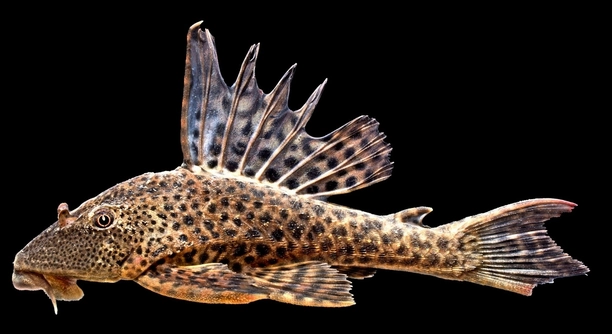
Plecos are fascinating creatures, often seen as the cleanup crew in aquariums. However, when they start avoiding bubbles, it raises some questions. Understanding their behavior can help ensure a healthier and happier environment for them.
Plecos avoid bubbles primarily due to their natural preference for calm water. Sudden movements or turbulent environments can stress them. Bubbles created by aerators or filters disrupt their peaceful habitat, leading them to steer clear of these areas.
Understanding the reasons behind your pleco’s behavior will help improve their living conditions and avoid unnecessary stress.
Reasons Why Plecos Avoid Bubbles
Plecos, known for their bottom-dwelling habits, are sensitive to their environment. They thrive in calm, still water where they can rest and forage. Bubbles, created by filters or aerators, can disrupt this peaceful setting. The movement caused by the bubbles creates ripples in the water, which plecos find unsettling. These fish are naturally adapted to slow-moving waters, so when faced with too much movement or turbulence, they instinctively avoid the bubbles. This behavior helps them maintain a sense of safety, as they prefer hiding in quiet, low-traffic areas of the tank.
Sometimes, plecos will also avoid bubbles if they feel they are being pushed around or disturbed by too much water movement. They seek refuge in more stable, undisturbed zones, often at the bottom or behind decorations. Over time, plecos may become more skittish, which can affect their overall health. Keeping water conditions in mind will ensure they remain relaxed and active.
Creating a calm environment for plecos benefits their overall well-being. Their behavior shows the importance of considering water movement when setting up an aquarium.
Adjusting the Tank for a More Comfortable Environment
Ensuring the right water conditions is key to keeping your pleco happy. Adjusting the filter flow or using a sponge filter can reduce the intensity of bubbles and water movement. If your tank is too turbulent, your pleco may struggle to find a comfortable spot. Placing the filter away from areas where the pleco likes to rest can also reduce the impact of bubbles.
It’s important to remember that plecos enjoy slow-moving water that mimics their natural habitat. A gentle flow helps reduce stress, keeping your pleco healthy. Avoid using high-powered filters or pumps that produce strong currents. Instead, opt for equipment designed to create less disturbance, such as air stones or sponge filters. These alternatives can still provide oxygenation without the harsh bubble effects that cause stress for your pleco. Additionally, check the water quality regularly to ensure a clean and balanced environment. Clean, well-oxygenated water is essential for the health of your pleco.
Making these small adjustments to your aquarium setup will provide a better environment for your pleco, allowing it to feel secure and thrive.
Impact of Excessive Bubble Movement on Plecos
Excessive bubbles from filters or aerators can cause stress for plecos. Their natural habitat involves calm waters with minimal disturbance. Rapid water movement can hinder their ability to feel secure. Over time, this stress can affect their eating and overall behavior.
When plecos are constantly exposed to turbulence, they often retreat to the far corners of the tank, where they feel more sheltered. This can prevent them from engaging in normal activities, like grazing on algae or swimming freely. If the bubbles are too intense, they may even stop eating, which could lead to health problems. A stressed pleco is more susceptible to illness, making it essential to manage the water flow and bubble intensity.
While plecos are resilient, they require an environment that allows them to behave naturally. A calm, low-stress habitat promotes better health and activity levels. Removing or adjusting the bubbles can encourage plecos to come out and move around, improving their well-being.
Choosing the Right Filter for Your Pleco Tank
Filters play a crucial role in maintaining clean water but must be chosen carefully when keeping plecos. Filters with adjustable flow rates can provide you with the flexibility to control the water movement. Low-flow filters or sponge filters are ideal for plecos, as they create minimal water disturbance.
Sponge filters, in particular, are a great option. They provide filtration while releasing fewer bubbles, creating a gentle flow. This setup mimics the calm environment plecos prefer, ensuring they feel safe. Using a sponge filter can also help oxygenate the water without overwhelming your pleco with unnecessary turbulence. Additionally, the slow water movement encourages plecos to engage in more natural behaviors, such as scavenging for food.
Maintaining a balance between filtration and water flow is essential for keeping plecos healthy. Adjusting the filter to match your tank’s needs ensures both clean water and a comfortable living environment for your pleco. Proper filter selection promotes long-term health and well-being.
Plecos and Their Sensitivity to Water Changes
Water changes are essential for keeping plecos healthy, but sudden shifts in water conditions can cause stress. Plecos are sensitive to temperature fluctuations, changes in pH, and shifts in oxygen levels. Consistent water parameters help maintain their well-being.
Regular water changes should be done gradually to prevent shock. Sudden changes in water conditions can cause plecos to become disoriented or stressed, affecting their behavior and health. It’s also important to monitor the water temperature and pH before making changes. Using a thermometer and water testing kits can help maintain stability, ensuring your pleco stays comfortable and safe.
Maintaining a stable and predictable environment is key for plecos. Avoid abrupt changes, and introduce modifications slowly to reduce stress and encourage a healthy, active pleco.
The Importance of Hiding Spots
Plecos are nocturnal and prefer having plenty of hiding spots. They feel safer in spaces where they can retreat during the day. These hiding spots reduce stress and provide comfort, allowing your pleco to rest and stay active at night.
Adding driftwood, caves, or aquarium decorations helps mimic their natural habitat. Plecos use these spaces to hide, forage, and feel secure, which is especially important if your tank is active during the day. Without adequate hiding spots, plecos may become stressed or lethargic.
Monitoring Pleco Behavior
Observing your pleco regularly helps you identify any signs of stress or discomfort. If your pleco is constantly avoiding bubbles or hiding, it may indicate an issue with water conditions or tank setup. Always watch for behavioral changes.
FAQ
Why does my pleco avoid bubbles in the tank?
Plecos are naturally adapted to calm environments with slow-moving waters. Bubbles created by aerators or filters can disrupt their peaceful habitat, causing them to feel stressed. The constant movement of water, along with the noise, can make plecos retreat to quieter areas of the tank. This behavior is instinctive, as they feel safer in more stable conditions. If your pleco is avoiding bubbles, it could be a sign that the water flow is too strong or disruptive for them.
Can plecos live in tanks with strong water currents?
While plecos are adaptable, strong currents are not ideal for them. They prefer calm waters where they can comfortably rest and forage for food. High-flow tanks or areas with excessive water movement may cause them stress, leading them to avoid certain parts of the tank. It’s important to ensure that the current in the tank is not too powerful, as it can interfere with their natural behaviors, like grazing and hiding.
Do plecos need aerators to thrive?
Plecos do not necessarily need aerators to thrive. While they benefit from oxygenated water, the gentle filtration system is often enough to keep the water well-oxygenated. Aerators, especially those that create excessive bubbles or strong currents, can actually stress plecos. Instead, opt for a sponge filter or a low-flow filter that provides adequate oxygenation without disturbing the pleco’s habitat.
How do I reduce bubble movement in my pleco’s tank?
To reduce bubble movement, consider using a sponge filter or an adjustable filter with a low flow setting. These filters create a minimal water disturbance while still providing adequate filtration. You can also place the filter away from areas where the pleco likes to rest, allowing them to enjoy a calmer environment. This setup helps create a more natural and less stressful habitat for your pleco.
Why is my pleco hiding all the time?
Hiding behavior in plecos is common, especially during the day when they rest. However, if your pleco is constantly hiding and avoiding food or interactions, it could be a sign of stress. Factors such as water quality, tankmates, and the level of water movement can all affect their behavior. Providing hiding spots, reducing water movement, and ensuring stable water conditions can help reduce excessive hiding.
How often should I change the water in my pleco’s tank?
Water changes are essential for maintaining a healthy environment for your pleco. Depending on the size of the tank and the number of fish, a 25% water change every two weeks is generally recommended. However, you may need to change the water more frequently if the tank is overstocked or the water quality is poor. Always check the water parameters, such as pH, ammonia, and nitrate levels, before performing water changes.
Can plecos live with other fish?
Plecos are generally peaceful and can live with a variety of other fish. However, they should be kept with tankmates that are not aggressive and can tolerate similar water conditions. It’s important to avoid housing them with fish that have sharp fins or are territorial. Larger plecos, like the common pleco, can grow quite large, so they may need more space and careful consideration of tankmates.
What should I feed my pleco?
Plecos are primarily herbivores and require a diet that includes algae, vegetables, and specialized sinking pellets. You can supplement their diet with zucchini, cucumber, or spinach. Algae wafers are also an excellent source of nutrition for them. It’s important to feed them a variety of foods to ensure they get all the nutrients they need for healthy growth and development.
How can I tell if my pleco is stressed?
Signs of stress in plecos include hiding more than usual, loss of appetite, abnormal swimming behavior, and lethargy. They may also exhibit rapid gill movement or appear skittish when approached. Stress can be caused by poor water quality, inappropriate tank conditions, or aggressive tankmates. Monitoring your pleco’s behavior and ensuring their environment is optimal will help prevent stress.
Why is my pleco not eating?
If your pleco is not eating, it could be due to various factors such as poor water quality, stress from tankmates or water movement, or an inappropriate diet. Make sure the water parameters are within the recommended range, and consider reducing the intensity of the water flow. Providing a varied diet, including algae wafers and fresh vegetables, can also help encourage feeding. If the issue persists, it may be a sign of illness, and consulting with an aquarium professional or vet is recommended.
Can plecos survive in a tank with no decorations?
Plecos benefit from a tank setup that includes decorations, hiding spots, and plants. These elements mimic their natural habitat, where they seek refuge and find food. A lack of decorations may lead to increased stress, as plecos feel exposed and less secure. Providing caves, driftwood, and plants can improve their sense of safety and encourage natural behaviors like foraging and resting.
What is the best tank size for a pleco?
The ideal tank size for a pleco depends on the species. Smaller plecos can live in tanks as small as 20 gallons, while larger species, like the common pleco, require at least 75 gallons or more. A larger tank provides plecos with ample space to swim, hide, and graze on algae, improving their overall health and reducing stress.
How do I know if my pleco is healthy?
A healthy pleco will have clear, unclouded eyes, a firm body, and active behavior. It should swim confidently and show interest in food. Its fins should be intact, and the skin should be free from lesions or discoloration. Monitoring your pleco’s behavior and appearance regularly helps detect any health issues early on.
Final Thoughts
Understanding why your pleco avoids bubbles is essential in creating a comfortable and healthy environment for them. Plecos are sensitive creatures, and their behavior is often a response to factors like water movement, water quality, and tank conditions. Bubbles from aerators or filters can create a disturbance in their natural environment, making them feel stressed or unsafe. Plecos prefer calm waters, and providing a peaceful setting with minimal water flow is crucial for their well-being. Adjusting the water flow or switching to low-flow filtration systems can help ensure your pleco stays comfortable and active.
Additionally, monitoring your pleco’s behavior regularly can offer valuable insights into its health and stress levels. If your pleco is avoiding bubbles or hiding excessively, it could be a sign of water quality issues, stress, or discomfort. Check water parameters such as temperature, pH, and ammonia levels regularly to ensure they are within the ideal range for plecos. Keeping the tank clean and performing regular water changes will help maintain a healthy environment and prevent stressors from affecting your fish. Providing hiding spots, such as caves or driftwood, also gives your pleco a safe space to retreat when needed.
Lastly, remember that every pleco is unique, and their preferences may vary. Some may tolerate light water movement and bubbles, while others may find even small disturbances unsettling. It’s important to observe your pleco’s behavior closely and make adjustments as needed. By creating a stable, calm environment and offering plenty of food and hiding spots, you can help your pleco thrive and enjoy a long, healthy life in your aquarium. Patience and understanding are key when caring for these sensitive, yet fascinating fish.

Hello,
If you enjoy the content that we create, please consider saying a "Thank You!" by leaving a tip.
Every little bit helps us continue crafting quality advice that supports the health, happiness, and well-being of pets around the world, for pets of all shapes, sizes, and species.
We really appreciate the kindness and support that you show us!