
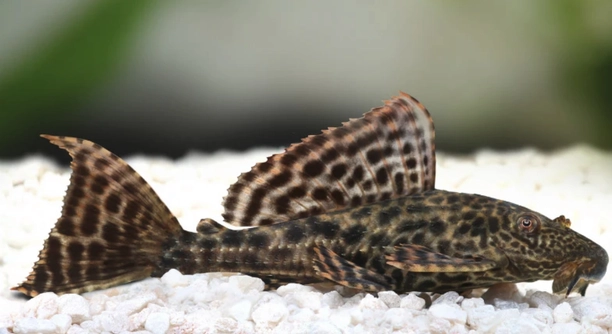
Plecos are often seen as peaceful, slow-moving creatures in aquariums. However, their behavior after lights out can sometimes appear more energetic and playful. This change in activity can leave you wondering what’s behind the sudden burst of energy.
The lively behavior of a pleco after the lights go out is typically due to its nocturnal nature. Plecos are more active during the night, when they feel safer to forage for food and explore their environment without the disturbance of daytime light.
Understanding why your pleco acts differently after lights out can help improve your aquarium’s setup. This behavior is a natural part of their biology, and knowing more about it can enhance your care routine.
Why Are Plecos Nocturnal?
Plecos are naturally nocturnal, meaning they are most active at night. This behavior is deeply rooted in their instincts. In the wild, they are more likely to hide during the day to avoid predators. At night, they become more comfortable and begin searching for food and exploring their surroundings. This is when you’ll typically see them swimming around, foraging, or cleaning algae from the tank surfaces.
During the night, plecos may also feel more secure to move around freely without the disturbances from humans or other daytime aquarium activities. It’s important to remember that this behavior is completely normal. Their activity after lights out is just them following their natural instincts and routines. While this might seem odd, it’s simply part of their behavior pattern, which has evolved over time.
The increase in energy can sometimes be surprising, but it’s nothing to worry about. Ensuring they have a secure, calm environment at night will help them thrive and continue these natural activities without disruption.
Tank Setup for Nocturnal Plecos
Creating the right environment for your pleco’s nocturnal behavior is key. Make sure your tank is well-lit during the day but has areas where your pleco can hide when needed.
A proper tank setup includes hiding spots like caves, driftwood, or plants that your pleco can retreat to during the day. These spaces give them a sense of security, promoting more natural nighttime activity. Having a well-maintained tank with these elements encourages plecos to feel safe enough to forage and explore when the lights are off.
Lighting and Its Impact
Lighting plays a big role in your pleco’s activity levels. A consistent day and night cycle with proper lighting will help your pleco maintain its natural rhythm. Use aquarium lights on a timer to simulate natural conditions, ensuring a predictable day-night pattern.
Too much light can stress plecos, causing them to become inactive during the day. Over time, irregular lighting can disrupt their behavior and make them feel less secure. If your pleco is overly active after lights out, consider adjusting the lighting in your tank or providing dim lighting options during the night to help them feel more relaxed.
A dark, quiet environment at night will encourage plecos to be more active. Without the distractions of bright lights, they’ll engage in their usual nighttime foraging and exploring. Adjusting your tank’s lighting to mimic natural conditions can make your pleco feel at ease, leading to more regular, healthy behavior.
Diet and Its Effect on Activity
Plecos are bottom feeders, primarily eating algae and plant matter. Their diet directly impacts their energy levels, especially during their nocturnal foraging hours. A balanced diet can help regulate their activity after dark.
If your pleco is getting too much protein or rich foods, it may lead to excessive energy at night. Overfeeding, particularly with food that is too fatty or high in protein, can cause hyperactivity and disrupt its natural rhythm. A balanced diet consisting mainly of algae wafers, vegetables, and occasional protein will allow your pleco to stay active without feeling over-stimulated.
Making sure to feed your pleco the right food ensures they get enough nutrients while preventing them from becoming overly energetic. Healthy, nutritious meals will keep your pleco’s activity at a natural level, reducing any issues that may arise from too much or too little food.
Stress and Its Effect on Behavior
Stress can significantly impact your pleco’s behavior, making them act more energetically at night. Changes in their environment or tank mates can cause stress, leading to an increase in activity during the night.
If your pleco feels threatened, whether due to aggressive tank mates or frequent tank changes, they may display heightened activity after lights out. A peaceful tank environment with minimal disruptions will help reduce stress. If you notice other signs of stress, such as hiding or abnormal swimming patterns, addressing the cause will help restore normal behavior.
Stress-free plecos are more likely to follow their natural nocturnal activity cycle. Ensuring they have a stable, calm environment with compatible tank mates is key to minimizing stress.
Tank Temperature
Maintaining the right temperature is crucial for your pleco’s well-being. If the water is too cold or too warm, it can affect their behavior, including their nighttime activity.
Plecos thrive in water temperatures between 74°F and 80°F. If the temperature is too high or too low, it may cause them to become more lethargic or overly active. Keeping the tank within the optimal range will help regulate their behavior, ensuring they are comfortable enough to rest during the day and remain active at night when they’re naturally inclined.
Water Quality
Good water quality is essential for plecos, particularly as it influences their overall health and behavior. Poor water conditions can cause stress and alter their typical activity patterns.
Plecos are sensitive to poor water conditions, so regular water changes and proper filtration are necessary. Clean, well-maintained water helps them feel safe and secure, promoting natural behavior, including normal activity levels after dark. If your pleco is acting more energetic than usual, it’s a good idea to check your tank’s water parameters.
FAQ
Why is my pleco swimming around at night?
Plecos are nocturnal by nature. They are most active during the night when they feel safe from predators and can forage for food. After the lights go out, they begin their natural behaviors, such as swimming and searching for algae. This activity is completely normal and is part of their instinctive routine.
How can I reduce my pleco’s activity at night?
If your pleco’s activity at night is more than you’d like, consider adjusting the lighting in your tank. You can try dimming the lights or using a timer to ensure a more consistent day-night cycle. This can help regulate their activity and keep it more in line with natural conditions. Avoid overfeeding your pleco as well, as this can lead to hyperactivity during nighttime hours.
Can stress make my pleco more active?
Yes, stress can make your pleco more active, especially during the night. Stress from changes in their environment, tank mates, or poor water conditions can lead to increased activity as they try to adjust to the new situation. Keeping their environment stable and peaceful will help reduce stress and allow your pleco to follow its natural rhythms.
How much light does my pleco need?
Plecos do well with natural lighting during the day. A 10-12 hour light cycle is generally ideal. However, they need a dark period at night to simulate their natural habitat. Too much light can cause stress and disrupt their normal sleep cycle. Use a timer for your tank lights to maintain a balanced day-night cycle.
Should I provide hiding spots for my pleco?
Yes, hiding spots are essential for plecos. These fish need places to retreat during the day when they want to rest or feel secure. You can provide caves, driftwood, or plants in your tank to create a safe and comfortable environment. This not only helps with their stress levels but also encourages them to remain active at night.
How can I tell if my pleco is stressed?
Signs of stress in a pleco include hiding more than usual, rapid swimming, or erratic behavior. They may also stop eating or become more aggressive toward other tank mates. If you notice any of these symptoms, check your water quality, temperature, and tank environment to ensure there’s no underlying issue causing the stress.
Do plecos need to be fed at night?
Plecos are nocturnal feeders, but it’s not necessary to feed them specifically at night. You can provide their food during the day and let them forage during their active nighttime hours. If you want to cater to their nocturnal nature, place algae wafers or other food sources in areas they can access at night, but avoid overfeeding.
Why does my pleco look more active after a water change?
After a water change, plecos may display more activity as they react to the improved water quality. Fresh, clean water encourages them to explore their surroundings and resume their natural behaviors. However, if the water change involved a significant shift in temperature or water chemistry, it could also cause stress, making them more active.
Can the water temperature affect my pleco’s activity?
Yes, the water temperature can influence your pleco’s behavior. Plecos thrive in temperatures between 74°F and 80°F. If the water is too hot or too cold, it may cause them to become more lethargic or overly active. Keeping the water within this ideal range promotes their health and natural activity patterns.
What is the best way to maintain water quality for plecos?
Regular water changes are essential to maintain water quality for your pleco. Aim to change 20-30% of the water every week. Additionally, use a good filtration system to keep the water clean. Make sure to monitor the water parameters, such as ammonia, nitrites, nitrates, and pH, to ensure they are within safe levels for your pleco’s health.
Should I adjust my pleco’s diet to reduce activity?
Yes, if your pleco seems overly active, check its diet. Too much protein or fatty foods can lead to hyperactivity. Stick to a diet mainly consisting of algae wafers and vegetables. Occasional protein treats are fine, but overfeeding rich foods can cause your pleco to become more energetic at night.
Final Thoughts
Understanding why your pleco acts lively after lights out can help create a better environment for both you and your fish. Plecos are naturally nocturnal, and their behavior is simply a reflection of their biological rhythms. By recognizing their need for a consistent day-night cycle, you can help keep your pleco happy and healthy. Adjusting the lighting, offering proper hiding spots, and maintaining a peaceful tank environment are simple steps that can improve their overall well-being and reduce unnecessary stress.
Diet also plays an important role in regulating your pleco’s activity. Overfeeding or providing too many protein-rich foods can lead to excessive energy during the night. Sticking to a balanced diet, primarily consisting of algae wafers, vegetables, and occasional protein, helps maintain your pleco’s natural behavior. Proper nutrition ensures that your pleco stays active at the right times, without becoming overly energetic after lights out. Regular feeding times also help establish a routine, keeping your pleco on track with its nocturnal habits.
Finally, it’s important to remember that plecos are sensitive to their environment. Stress from sudden changes, poor water quality, or incompatible tank mates can affect their activity patterns. Ensuring a stable and safe environment is essential for promoting natural behaviors. With the right care, your pleco will continue to thrive and follow its natural, healthy rhythm, making both your tank and your fish a peaceful, enjoyable place.

Hello,
If you enjoy the content that we create, please consider saying a "Thank You!" by leaving a tip.
Every little bit helps us continue crafting quality advice that supports the health, happiness, and well-being of pets around the world, for pets of all shapes, sizes, and species.
We really appreciate the kindness and support that you show us!