
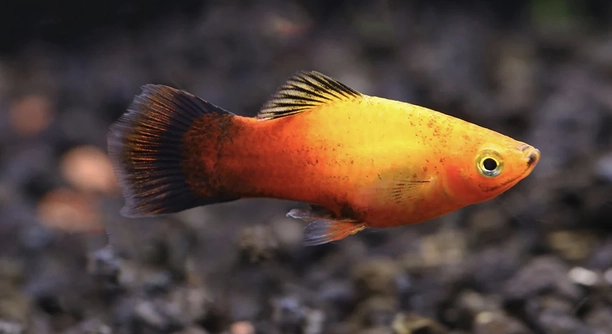
Do you ever find yourself watching your platy fish shiver near the filter, unsure if it’s normal or something to worry about?
The most common reason your platy shivers near the filter is stress caused by strong water flow. Platys prefer gentle currents, and a powerful filter can overwhelm them, making them appear as if they’re shaking or struggling.
Understanding what’s behind this behavior can help you adjust your tank setup and improve your fish’s comfort and well-being.
Understanding Your Platy’s Behavior Near the Filter
Platys are peaceful fish that thrive in calm, stable environments. When you notice your platy shivering near the filter, it’s often a reaction to the strength of the current. Filters designed for larger tanks or species that enjoy fast-moving water can easily create too much flow for a small platy. The water pushes against them, making it hard for them to swim normally. As a result, they may appear to be shaking, hovering near the filter intake, or trying to find calmer spots. This behavior isn’t always about being cold or sick—it’s usually about comfort. Strong flow can also cause stress over time, weakening their immune system. It’s important to match your filter setup with your fish’s needs. Adjustable flow filters or using sponge filters can help reduce this problem. Always observe where your fish like to swim most—it says a lot about how they’re feeling.
A platy seeking still areas is likely trying to avoid uncomfortable water movement. If it avoids the rest of the tank, it might not feel safe.
Once you reduce the current, you may notice your platy becoming more active and relaxed. A gentle current helps them swim easily and explore their surroundings without stress. This small change makes a big difference.
Tank Conditions That Might Be Stressing Your Platy
Other tank conditions may also cause stress, even if the water flow is fine.
Poor water quality is another common reason for odd behavior like shivering. Ammonia or nitrite levels, even in small amounts, can cause stress. Always test your water regularly and keep up with water changes. Temperature is also important—platys prefer stable water around 72–78°F. Rapid changes in temperature can make them act strangely. Lighting and tankmates play a role too. Bright lights without hiding spots or aggressive fish can push a platy to seek comfort near the filter. Some fish stay in areas where they feel less bothered. If your platy shares the tank with fish that chase or nip at fins, it may be hiding near the filter to escape. A crowded tank also increases stress levels. Make sure the tank is properly cycled, well-planted, and peaceful. These small details can influence how your fish behave day to day. Watching their habits will help you spot problems early.
How to Reduce Stress Around the Filter
Start by checking if your filter has an adjustable flow setting. Lowering the flow can quickly make your platy feel more at ease. If it doesn’t, consider using a sponge over the output to soften the current.
Sponge filters are a great option for small tanks with gentle-flow needs. If you’re using a hang-on-back or canister filter, try redirecting the flow toward a wall or corner to break up the current. Live plants or tank decorations placed strategically can also help. These create quiet zones where your platy can rest. Avoid placing tall decorations directly in front of the filter, as this can disrupt water circulation. Observe your platy after making these changes. If it starts to swim more freely or explore new areas, you’re on the right track. Small adjustments often make a big difference in how comfortable your fish feels in its home.
Monitor your tank after each change. If your platy still shivers or hides, something else might be bothering it. Try turning off the filter briefly to observe its behavior in still water—this can help you confirm if the current is the cause. Watch for signs of improvement over the next few days before changing anything else.
Other Things That Can Trigger Shivering
Sometimes the issue isn’t the filter at all. Sudden changes in temperature, especially during water changes, can affect your platy. Always match new water to the tank’s temperature to prevent shock.
Illness is another possible cause. Look closely for signs like clamped fins, white spots, or labored breathing. These can point to parasites or infections. Shivering may also mean your platy doesn’t feel well inside. Poor water conditions can cause long-term stress even if everything looks clean. Use a test kit regularly, not just when you see problems. If you’re using medications in the tank, check that they are safe for platys and dosed correctly. Overuse of salt or harsh treatments can cause physical stress. Keep your tank routine gentle and consistent. Clean your filter media in old tank water—not tap water—to protect the good bacteria. Stability helps your fish stay healthy, calm, and active.
When to Worry About the Shivering
If your platy keeps shivering for several days despite changes, it may be more than just water flow. Persistent stress can weaken their immune system and lead to illness if not addressed in time.
Watch for additional symptoms like color loss, reduced appetite, or staying in one spot too long. These signs often suggest something deeper is going on.
How to Observe Behavior the Right Way
Spend a few minutes each day quietly watching your platy. Look for any patterns—when it shivers, where it rests, and how it swims. Check if it eats properly and reacts to its surroundings. Keep notes if it helps. Observing behavior closely gives you helpful clues, especially when something seems off. Early signs can be subtle.
Final Signs You Shouldn’t Ignore
If your platy’s shivering is paired with heavy breathing or visible spots, it could be a sign of illness. Act quickly and consult a fish care source or a vet familiar with aquatic pets.
FAQ
Why does my platy stay near the filter all the time?
Platys often stay near the filter when the water flow feels overwhelming or when they feel stressed. It can also be a sign they’re avoiding tankmates, chasing, or bright lights. Sometimes, they hang out near the filter intake because the water feels slightly warmer or more oxygenated there. If this behavior is new or seems constant, it’s a good idea to review the tank’s environment and make small changes to help your fish feel more comfortable.
Is shivering a sign that my platy is cold?
Not always. Platys do need warm water, but they don’t usually shiver from cold alone. If the water temperature drops suddenly or stays below 70°F, it could cause discomfort or shock. However, most of the time, what looks like shivering is a stress reaction to current, poor water quality, or tankmates. Always check the temperature first, but also test water parameters and monitor your fish’s behavior closely.
How strong should my filter be for a platy?
Platys prefer a gentle flow. Look for a filter that turns over the tank water 5–10 times per hour, but one that has an adjustable output or flow control. Sponge filters are a safe option for tanks under 20 gallons. If you have a stronger filter, try using a baffle, a sponge pre-filter, or redirecting the flow to a wall to reduce the current.
Can a platy get stuck to the filter intake?
Yes, especially if the filter intake is strong and the fish is already weak. A healthy platy can usually swim away easily, but if you see yours struggling or sticking to the intake, it may be ill or the current may be too strong. You can cover the intake with a sponge or mesh to prevent injuries and reduce suction.
What other signs of stress should I look for in my platy?
Stress in platys can show up in different ways—faded colors, clamped fins, hiding, not eating, or acting jumpy. Some fish also rub against surfaces, which may be a sign of irritation or parasites. Keep an eye out for heavy breathing or staying in one spot too long. These little changes can signal a problem early.
Is it okay if my platy hangs out near the top of the tank?
It depends. If it’s just exploring or coming up for food, that’s normal. But if your platy is hovering near the surface and breathing quickly, it could be a sign of low oxygen levels or water quality problems. Make sure your tank is well-aerated and test your water parameters to rule out ammonia or nitrite issues.
Should I separate a platy that’s acting oddly from the rest?
If your platy shows signs of illness or is being bullied, it’s often safer to move it to a separate tank. A small quarantine setup lets you monitor it closely and provide treatment without stressing the rest of your fish. Even just giving it a calm space for a few days can help reduce stress.
Can shivering be caused by illness even if water parameters are fine?
Yes. Some illnesses don’t show up right away in water tests. Internal parasites, bacterial infections, or external issues like ich can all make a fish act differently. Always look at your fish’s overall behavior and appearance. If the shivering comes with other symptoms, a closer check or treatment might be needed.
How long does it take for a stressed platy to recover?
It depends on the cause and how quickly you make changes. If the stress is from something simple like strong current or a sudden tank change, they may calm down within a day or two. If illness or long-term stress is involved, it could take a week or more. Always be patient and avoid making too many changes at once.
Do platys need hiding spots to feel safe?
Yes. Even though they are active fish, platys still need places to rest and hide. Live plants, caves, or decorations with openings help them feel secure, especially when they are startled or tired. A well-decorated tank reduces stress and encourages natural behavior. It also helps them stay calm if something in their environment changes.
Final Thoughts
Caring for your platy means paying attention to small changes in its behavior. Shivering near the filter can seem confusing at first, but it’s usually linked to stress. In many cases, the water flow is simply too strong. Platys prefer a calm environment, and strong currents can make it hard for them to swim or rest. If your filter is creating too much movement, your platy might be trying to find a quieter area. Watching where your fish spends its time and how it moves can tell you a lot about how it’s feeling. If the shivering happens often or doesn’t stop, it’s a sign that something in the tank needs to be adjusted.
It’s also important to consider the overall tank setup. Besides water flow, things like temperature, water quality, tankmates, and lighting all affect your platy’s comfort. Even small problems can lead to stress. Test your water regularly and make sure your fish have enough hiding spaces and swimming room. A balanced environment helps fish stay active and healthy. Sometimes a platy may shiver because it’s feeling sick, but not always. Before jumping to treatments, check for signs like labored breathing, white spots, or changes in appetite. Taking a calm, step-by-step approach is the best way to figure out what’s going on without making things worse.
In the end, small changes often lead to big improvements. Reducing water flow, improving water quality, and giving your fish a peaceful tank setup can make a real difference. When platys feel safe and comfortable, they show it through calm swimming, regular eating, and curious behavior. If you take the time to observe and respond to what your fish needs, you’ll help it stay happy and healthy. Fish may not be able to speak, but their behavior tells a story. Learning how to read those signs is part of keeping a healthy tank. Watching your platy return to normal behavior is not only a relief—it’s also a reminder that gentle care and close attention go a long way in keeping your fish thriving.

Hello,
If you enjoy the content that we create, please consider saying a "Thank You!" by leaving a tip.
Every little bit helps us continue crafting quality advice that supports the health, happiness, and well-being of pets around the world, for pets of all shapes, sizes, and species.
We really appreciate the kindness and support that you show us!