
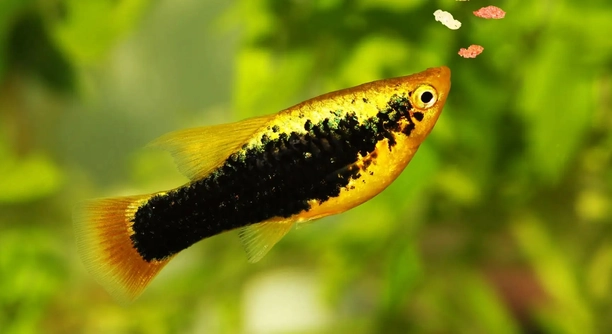
Do you ever find yourself worried when your platy seems to swim strangely or pause for long periods without reacting?
The most common reason a platy appears dazed or disoriented is poor water quality. Sudden changes in temperature, pH levels, or ammonia spikes can quickly affect their behavior and lead to visible stress or confusion.
Learning what causes these changes and how to prevent them can help your platy stay healthy and active in its tank.
Common Causes of Disoriented Behavior in Platys
Disoriented behavior in platys is often caused by unstable water conditions. Ammonia spikes, low oxygen levels, or sudden shifts in temperature can stress the fish. These changes may not be visible to you at first, but they affect your platy’s ability to swim normally and respond to its surroundings. Poor diet or lack of nutrients can also lead to sluggish behavior and confusion. Sometimes, illness or parasites can cause your platy to seem dizzy or disconnected from its environment. Fish with internal infections or swim bladder issues often appear to float oddly, tilt, or struggle to stay upright. Observing these signs early helps prevent the condition from getting worse. Always test your water regularly and watch for small behavioral changes. A clean and consistent tank setup supports healthy fish behavior and reduces the chance of your platy becoming stressed or disoriented. Routine care goes a long way in prevention.
Other fish in the tank may also stress your platy. Overcrowding or aggressive tank mates can impact behavior and mood.
When platys are kept in a stressful environment, they may show unusual signs like hiding, swimming in circles, or lying near the bottom. These actions are signs they feel unsafe or unwell. Inconsistent lighting or loud surroundings may also cause stress. Some fish are more sensitive than others, and even small changes in their space can affect how they act. It’s important to give them a calm, steady environment with proper filtration and enough hiding spots. Introducing too many new elements at once—such as decorations, fish, or plants—can overwhelm your platy and make it feel disoriented. If your fish shows ongoing signs of confusion, it may be time to isolate it and observe its behavior closely. This can help prevent any possible illness from spreading and gives you a better chance of figuring out what’s going on.
What You Can Do to Help
Start by checking the water parameters. Clean, balanced water helps most platys bounce back quickly from mild stress or confusion.
If your platy continues to act disoriented, try small water changes daily for a few days. Be sure the temperature and pH are consistent. Avoid adding any new fish or decorations during this time. Keep feeding routines regular and offer a balanced diet with occasional high-protein treats. Watch your platy’s behavior during feeding and note any changes in how it swims or reacts. Make sure the tank has proper oxygen flow, especially if you notice the fish staying near the surface. A calm, low-traffic area of your home is best for keeping your fish relaxed. Reducing noise and giving your platy a consistent day-night light cycle can also improve its comfort. If symptoms don’t improve, consider speaking with a vet who has experience in treating freshwater fish. Acting early makes a big difference in your platy’s health and happiness.
How to Monitor Your Platy’s Health
Watch for changes in how your platy swims, eats, or interacts. If it seems less active, hides more often, or struggles to stay upright, it may be feeling unwell. Behavior changes are often the first signs something is wrong.
Set aside a few minutes each day to observe your platy. Pay attention to how it swims—smooth and steady movement is a good sign. If your fish starts tilting, floating oddly, or gasping near the surface, that could signal an issue. Check if it’s eating well and coming to the surface during feeding time. A loss of appetite or spitting food out may point to stress or illness. Also, look for visible signs like clamped fins, faded color, or white patches. These small details can help you catch problems early and take action before things get worse for your platy.
Keeping a simple health journal can also help. Write down any changes you notice in behavior, appearance, or water conditions. This can help spot patterns and track what improves or worsens your platy’s condition. If you need to speak with a vet or pet store professional, having notes ready makes it easier to explain what’s going on. A log also helps remind you when you last changed the water, cleaned the filter, or adjusted the temperature. Over time, you’ll get better at spotting early signs of stress. Even just noting feeding habits or the fish’s usual swimming area can offer helpful clues when something seems off. Consistent observation gives your platy the best chance to stay healthy and active.
Environmental Adjustments That Make a Difference
Simple changes in your tank setup can have a big impact. Try lowering noise, adjusting light levels, and creating more hiding spots. Avoid placing the tank near speakers, TVs, or busy walkways, especially if your platy often seems startled or anxious.
Soft lighting and a consistent day-night cycle help your platy feel secure. Sudden light changes or leaving the light on too long can disrupt its natural rhythm. Make sure the tank is not exposed to direct sunlight, as this can cause overheating and stress. Plants, rocks, or small decorations give your platy places to rest and feel safe. It’s also important to avoid overcrowding. Too many fish in one tank can lead to aggressive behavior, stress, and dirty water. Use a reliable filter and clean it regularly, but avoid cleaning all parts at once, as this may remove helpful bacteria. Balance is key when adjusting anything in the tank—small changes are often best.
When to Separate Your Platy from the Main Tank
If your platy seems weak, is being chased by others, or shows signs of illness, it’s best to move it to a separate tank. This keeps stress low and prevents possible spread of disease to other fish.
Use a small hospital tank with clean, warm water and gentle filtration. Keep lighting low and avoid sudden noise. This setup gives your platy space to recover without the stress of competing for food or dealing with aggressive tank mates.
Signs That Require Professional Help
If your platy continues to float oddly, stops eating for several days, or shows signs like bloating, sunken eyes, or frayed fins, it may need medical care. Home treatments won’t always work, especially if there’s an internal issue. A fish vet can run water tests, suggest safe medications, and guide you through the next steps. Don’t wait too long if your platy’s condition is getting worse. It’s always better to seek help early. Bringing a video of the fish’s behavior or your water testing results can help the vet understand the problem quicker and offer better advice.
Keeping an Eye on Long-Term Behavior
Behavior that slowly shifts over time, like less activity or hiding more often, may point to a long-term issue. It’s helpful to compare current habits with how your platy acted in the past.
FAQ
Can poor water quality really make my platy act confused or dazed?
Yes, it can. When ammonia, nitrite, or nitrate levels get too high, fish become stressed and show unusual behaviors. Platys are sensitive to these shifts. Even slight changes in temperature or pH can cause them to swim oddly, stay in one spot, or stop responding normally. Testing your water regularly helps prevent this.
How often should I test my tank water?
Once a week is a good routine. If your platy is acting off, test immediately. Use a liquid test kit for ammonia, nitrites, nitrates, and pH. Checking these regularly helps you catch problems before they affect your fish’s health. If something seems off, a partial water change may help.
What does it mean if my platy is swimming in circles or bumping into things?
This may be a sign of stress, infection, or poor water conditions. Sometimes, a swim bladder issue causes odd swimming. Infections that affect the nervous system can also result in disoriented movement. Check the tank conditions first, then isolate the fish if symptoms continue or get worse.
Is it normal for a platy to lie still at the bottom of the tank?
Not usually. A healthy platy is active and curious. If it lies still for long periods, it may be feeling unwell. It could be tired from stress, reacting to bad water, or dealing with an infection. Watch closely and test your tank water right away to rule out problems.
What temperature is best for platys?
Platys prefer temperatures between 72–78°F (22–25°C). Too much fluctuation can stress them. Keep the temperature steady with a heater and a thermometer. Avoid placing the tank in drafty or sunny areas where the temperature might swing up or down suddenly.
Can tank mates make my platy feel stressed or disoriented?
Yes. Aggressive or fast-moving fish can scare or chase platys, leading to stress. Overcrowding also causes anxiety and disorientation. If your platy is hiding or acting skittish, observe the tank for bullying. You may need to rehome or separate fish to create a calmer environment.
What should I feed a dazed or weak platy?
Stick to simple, high-quality food like flakes, small pellets, or frozen brine shrimp. If your platy isn’t eating, try crushed flakes or bloodworms to entice it. Avoid overfeeding, as uneaten food worsens water quality. Feed lightly and consistently, two small meals per day is enough.
When should I move my platy to a separate tank?
Move it if it looks sick, is being bullied, or can’t keep up during feeding. A small hospital tank allows for close monitoring and reduces stress. Be sure to match the water temperature and parameters to avoid further shock when transferring your platy.
Do platys recover from stress or illness easily?
They can recover well with quick care and stable conditions. Clean water, calm surroundings, and proper food help them bounce back. However, if symptoms last more than a few days or worsen, it’s best to ask a vet for help before things get worse.
Can lighting affect my platy’s behavior?
Yes. Bright lights left on for too long or inconsistent lighting can make fish anxious. Use a timer to keep lights on for 8–10 hours a day. Soft lighting and a regular light cycle help your platy feel safe and act normally.
What signs mean it’s time to call a vet?
Call a vet if your platy stops eating for several days, swims sideways, has bloating, clamped fins, or shows white patches or wounds. Long-lasting behavior changes are also a red flag. A professional can diagnose internal problems and recommend safe treatments.
Should I use medication right away if my platy seems off?
No, not without knowing what’s wrong. Medications can harm helpful bacteria and make things worse if misused. First, check the water, adjust the environment, and isolate the fish if needed. If symptoms continue, speak with someone experienced in fish care before adding any treatments.
Final Thoughts
Taking care of a platy means paying close attention to its behavior, environment, and overall well-being. When your fish starts acting dazed or disoriented, it’s often a sign that something isn’t right in the tank. Water quality, temperature, diet, and tank mates all play a role in your platy’s health. Even small changes—like a sudden drop in temperature or leftover food building up in the tank—can cause stress and strange behavior. That’s why it’s important to check on your platy every day. A few minutes of observation can help you notice early signs of a problem and take quick action before it becomes more serious.
Keeping the tank clean, testing water regularly, and feeding a proper diet all go a long way in helping your platy stay active and healthy. If your fish ever seems confused, slow, or not acting like itself, start by testing the water. Most issues start there. A few simple changes—like adjusting the filter, doing a small water change, or reducing the light—can often make a big difference. If your platy is getting picked on by other fish or looks sick, moving it to a separate tank can reduce stress and give it time to recover. Creating a calm, steady space for your fish is one of the best things you can do to support its health.
You don’t need to be an expert to care for a platy, but staying consistent makes a big difference. Watch for changes in behavior, and don’t ignore them. Keep things simple—don’t overcrowd the tank, avoid too many decorations, and introduce new fish slowly. If you ever feel unsure, writing down what you notice or asking for help from a vet or experienced aquarist is a smart step. Fish can’t tell us when something is wrong, but their behavior is often the first sign. When you care for your platy with patience and attention, it’s more likely to stay healthy and live a longer, more peaceful life in your home aquarium.

Hello,
If you enjoy the content that we create, please consider saying a "Thank You!" by leaving a tip.
Every little bit helps us continue crafting quality advice that supports the health, happiness, and well-being of pets around the world, for pets of all shapes, sizes, and species.
We really appreciate the kindness and support that you show us!