
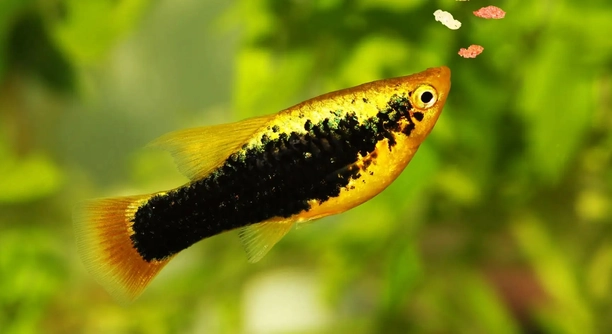
Platies are popular aquarium fish known for their bright colors and peaceful nature. Sometimes, owners notice their platy staying in one corner of the tank for long periods. This behavior can cause concern for new and experienced fish keepers alike.
A platy refusing to leave a corner is often due to stress, illness, poor water quality, or environmental factors. These fish prefer calm, comfortable conditions and may isolate themselves when something in their habitat feels wrong or threatening.
Understanding the reasons behind this behavior can help you create a better environment for your platy and improve its overall health and happiness.
Common Reasons for Corner Hiding Behavior
Platies may stay in the corner due to stress caused by sudden changes in their environment. New decorations, loud noises, or aggressive tank mates can unsettle them. Poor water quality is another major reason. High levels of ammonia, nitrites, or nitrates can make fish uncomfortable and lead to hiding. Illness can also cause lethargy and avoidance of the open water. Parasites, bacterial infections, or swim bladder issues often result in abnormal behavior. Additionally, temperature fluctuations can affect a platy’s comfort, pushing it to seek a quiet spot. It’s important to monitor water parameters regularly and observe any signs of distress. A peaceful, stable environment helps platies feel secure and active.
Providing a stable tank environment with regular water tests can reduce hiding. Observing your fish daily helps catch problems early.
Addressing these factors starts with testing the water and reviewing tank conditions. Ensure the temperature is steady between 72-78°F and that the water is clean. Remove aggressive fish or provide more hiding spaces like plants and caves. Quarantine new fish before introducing them to the tank to prevent illness. If you notice signs like clamped fins, discoloration, or abnormal swimming, seek advice or treatment quickly. Taking these steps helps your platy regain confidence and explore the tank freely.
How to Improve Your Platy’s Comfort
Small changes can make a big difference in encouraging your platy to leave the corner. Adding plants or decorations offers shelter and reduces stress. Ensure the tank size meets the minimum recommendation of 10 gallons for platies to swim comfortably. Regular feeding with a balanced diet supports their health and energy levels. Avoid overcrowding the tank, as it causes stress and territorial disputes. Maintaining a consistent light cycle also helps regulate their behavior.
Improving water quality and tank setup is essential for your platy’s well-being.
Cleaning the tank weekly, performing partial water changes, and using a reliable filter keep the water safe and oxygenated. Introducing live plants not only provides hiding spots but also helps maintain water quality. A consistent routine with feeding and maintenance builds a secure environment where platies feel safe. When the tank conditions meet their needs, platies become more active and social. By observing their preferences, you can adjust the setup, creating a comfortable habitat that encourages natural behavior and reduces corner hiding.
Monitoring Your Platy’s Health
Keeping a close eye on your platy’s behavior is crucial for spotting health issues early. Changes in appetite, swimming patterns, or appearance can signal a problem.
Signs like sluggishness, loss of color, or clamped fins often indicate illness. Swim bladder problems make it hard for fish to swim normally, causing them to stay at the bottom or in corners. Parasites or infections may cause your platy to scratch against objects. When these signs appear, consider testing water quality and isolating the affected fish to prevent spreading illness. Early treatment improves recovery chances and helps your platy return to normal activity.
Regular health checks combined with proper tank maintenance form the best defense against stress and disease. Maintaining stable conditions supports your platy’s immune system and encourages natural behavior.
Adjusting Tank Environment to Reduce Stress
Stress is a leading cause of corner hiding in platies and can be reduced by fine-tuning the tank environment. Noise, light intensity, or sudden changes create discomfort. Providing plenty of plants and hiding spots helps your fish feel safe. Avoid placing the tank near busy areas or loud appliances.
Water parameters should be stable. Rapid changes in temperature or chemistry increase stress and risk illness. Using a heater and monitoring devices helps keep conditions steady. Introducing compatible tank mates lowers aggression and competition. When the environment is calm and secure, platies are more confident and active, reducing hiding behavior and improving their overall well-being.
Feeding Habits and Their Impact
Platies that refuse to leave corners may be stressed by irregular feeding schedules. Consistent feeding helps maintain their energy and comfort.
Overfeeding can also cause water quality issues, increasing stress. Feeding small amounts twice a day keeps platies healthy and active.
Tank Mates and Social Behavior
Aggressive or overly active tank mates can intimidate platies, causing them to hide. Choosing peaceful species reduces stress and encourages normal activity.
Signs of Illness to Watch For
Lethargy, discoloration, and clamped fins are common signs your platy may be ill and require attention. Early detection is key.
FAQ
Why does my platy hide in the corner all the time?
Platies hide in corners mostly because they feel stressed or unsafe. This can happen due to poor water quality, aggressive tank mates, or sudden changes in the tank. Illness and discomfort also cause hiding. Making the tank stable and comfortable usually helps your platy come out more.
How can I tell if my platy is sick?
Look for signs like clamped fins, faded colors, slow movement, or lack of appetite. Abnormal swimming, such as floating sideways or sinking to the bottom, also signals problems. These signs suggest illness or stress, which needs to be addressed quickly.
What water conditions are best for platies?
Platies thrive in water between 72 and 78°F with a pH of 7.0 to 8.2. Ammonia and nitrite levels should be zero, and nitrates kept low. Regular water testing and changes help maintain these conditions, reducing stress on your fish.
Can tank mates cause my platy to hide?
Yes, aggressive or fast-moving tank mates can intimidate platies. This causes them to seek refuge in corners. Choosing peaceful companions like guppies or tetras helps platies feel safe and encourages normal swimming behavior.
How often should I feed my platy?
Feed your platy small amounts twice daily. Overfeeding pollutes the water and causes stress. A balanced diet with flakes, pellets, and occasional live or frozen foods supports their health and activity levels.
What should I do if my platy refuses to eat?
Loss of appetite can mean stress or illness. Check water quality, tank mates, and recent changes in the environment. If everything seems fine, consider isolating your platy to monitor it closely. Consult a vet or aquarium expert if the issue continues.
Is tank size important for platy behavior?
Yes, platies need at least 10 gallons per fish to swim freely and reduce stress. Small tanks cause overcrowding and poor water quality, leading to hiding and illness.
How do plants help reduce hiding?
Live plants provide shelter and reduce stress by creating natural hiding spots. They also improve water quality by absorbing toxins. Platies feel safer when they can retreat but still have room to swim freely.
Can temperature changes cause corner hiding?
Sudden or frequent temperature changes stress platies. Keeping the water temperature steady within their comfort range is important. Using a reliable heater and thermometer helps prevent temperature-related stress.
What role does lighting play in platy behavior?
Too much or too little light can disturb your platy. Bright, constant light may cause stress, while very dim light can reduce activity. Providing a regular day-night cycle helps regulate their behavior and encourages movement.
How do I treat swim bladder issues?
Swim bladder problems cause abnormal swimming and hiding. Feeding shelled peas or fasting for a day can help. If symptoms persist, a vet may recommend medication. Preventing overfeeding and poor water quality reduces risk.
Should I quarantine new fish before adding them to the tank?
Yes, quarantining new fish for at least two weeks helps prevent disease introduction. It also allows you to observe their behavior and health before mixing them with your platies.
How often should I clean the tank?
Perform weekly partial water changes of 20-30%. Clean the filter regularly but avoid disturbing beneficial bacteria. Keeping the tank clean helps maintain stable water conditions, reducing hiding and illness risks.
Can stress cause long-term hiding behavior?
Yes, prolonged stress weakens the immune system and causes continuous hiding. Addressing environmental issues quickly prevents long-term problems and helps your platy regain normal behavior.
What should I do if my platy still hides after changes?
If hiding continues despite good care, consider consulting an expert. Some fish have unique personalities or underlying health problems that require special attention. Patience and observation remain key.
Platies are generally active and social fish, but when they start hiding in a corner, it signals that something might be wrong. This behavior can stem from a variety of causes including stress, illness, poor water quality, or an unsuitable environment. Understanding the reasons behind your platy’s behavior is important to ensure its well-being. Taking the time to observe your fish closely and checking the tank conditions regularly can help you identify any problems early. Stable water parameters, a peaceful tank environment, and proper feeding routines all contribute to keeping your platy comfortable and healthy.
Maintaining good water quality is one of the most critical factors for your platy’s health. Regular testing for ammonia, nitrites, and nitrates is essential to prevent stress and disease. Sudden changes in water temperature or chemistry can unsettle your fish and cause them to hide. Providing hiding spots like plants or decorations can help reduce anxiety, but overcrowding or aggressive tank mates often increase stress levels. When you notice your platy consistently staying in a corner, it is important to review these aspects carefully. Sometimes simple adjustments like removing aggressive fish or improving water filtration can make a significant difference.
If your platy continues to hide despite your efforts, health issues might be involved. Watch for signs such as loss of appetite, unusual swimming patterns, or discoloration, which may require treatment or quarantine. Early intervention increases the chance of recovery and helps your fish return to normal activity. Patience is necessary as fish take time to adjust to changes. Creating a calm, clean, and safe environment is the best way to support your platy’s health and encourage it to explore the entire tank again.

Hello,
If you enjoy the content that we create, please consider saying a "Thank You!" by leaving a tip.
Every little bit helps us continue crafting quality advice that supports the health, happiness, and well-being of pets around the world, for pets of all shapes, sizes, and species.
We really appreciate the kindness and support that you show us!