
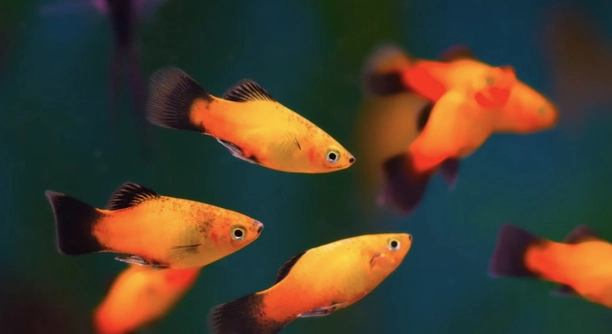
Many platies seem to spend a lot of time hiding in the corners of their tanks. This behavior can puzzle fish owners who want their pets to swim freely. Understanding why platies prefer corners helps create a better environment for them.
Platies often choose tank corners because these spots offer them a sense of security and reduced exposure to open space. Corners provide shelter from perceived threats and minimize stress, which is essential for their well-being in captivity.
Learning about this preference will help you improve your platy’s comfort and overall tank setup for a happier fish.
Why Platies Feel Safer in Corners
Platies are naturally shy fish that look for safe spots in their tank. Corners give them a feeling of protection because there are walls on two sides, reducing the space where threats can come from. This makes them feel less exposed and stressed. In the wild, platies hide among plants and rocks, so their instinct leads them to seek similar shelter in tanks. If a tank is too open or lacks hiding places, platies will cling to the corners more often. Sometimes, bright lighting or too much activity outside the tank can also push them toward corners, where they can stay calm. Tankmates that are aggressive or very active can make platies hide more as well. Paying attention to these factors can help you understand why your platy prefers the edges and how to make them feel more comfortable.
Providing plenty of plants or decorations helps reduce their stress and encourages more swimming around.
Creating a calm and secure environment lowers stress hormones in platies, improving their health and behavior. Corners act as a refuge where they regain confidence before exploring more freely.
How Tank Setup Affects Platy Behavior
Tank size and layout have a strong effect on where platies spend their time. A small or bare tank leaves fewer options for hiding, making corners the natural choice for shelter. In larger, well-decorated tanks, platies feel safer moving around because they find places to hide or rest that are not just corners. Water quality and temperature also play a role. Poor water conditions or temperature changes can increase stress, causing platies to hide more. Adjusting these factors improves their comfort and encourages active swimming. Adding floating plants or gentle filters can create a more natural environment. Overcrowding with too many fish or aggressive species should be avoided, as this drives platies into corners out of fear. Regular tank maintenance and a balanced setup help keep your platy calm and healthy.
Signs Your Platy Is Stressed
A stressed platy often stays hidden in corners and shows little interest in swimming around. It may also lose its vibrant colors or stop eating. These signs indicate that something in the tank environment is causing discomfort or anxiety.
Stress in platies can come from poor water conditions, overcrowding, or aggressive tankmates. When stress builds, their immune system weakens, making them prone to illness. Watching your platy’s behavior daily helps catch these signs early. Sometimes, sudden changes like new decorations or water changes can also upset them. Ensuring stable tank conditions and gentle handling reduces stress and supports their well-being.
If your platy constantly hides, check water parameters and tank mates. Adding plants or small caves can give them safe spots while encouraging natural behavior. Reducing noise and sudden movements around the tank also helps keep stress low.
Improving Your Platy’s Comfort
Creating a comfortable tank means giving your platy enough space and hiding places. Plants, rocks, and decorations break up open areas and offer security. This makes them less likely to stay stuck in corners all the time.
Lighting should be soft and not too bright, as harsh light can cause stress. Keeping the water clean with regular changes and maintaining proper temperature helps your platy feel safe. Avoid overcrowding by limiting fish numbers to reduce competition and stress. Gentle tankmates that don’t chase or bully your platy encourage more swimming and exploration. A peaceful environment with stable conditions improves their overall health and happiness, helping your platy to thrive outside of corners.
Common Mistakes to Avoid
Overcrowding the tank is a frequent mistake that stresses platies and makes them hide in corners. Too many fish compete for space and resources, causing anxiety.
Another error is neglecting tank decorations. Without enough hiding spots, platies feel exposed and unsafe, leading to constant corner-dwelling.
Tank Maintenance Tips
Regular water changes keep the environment clean and reduce harmful toxins. Testing water parameters often helps spot issues early. Cleaning filters without removing beneficial bacteria supports healthy water quality. Avoid sudden temperature changes by maintaining a stable heater setting. These steps create a stable home where platies feel secure and less likely to stay in corners.
Tankmates and Compatibility
Choosing calm, non-aggressive fish promotes harmony in the tank. Aggressive or very active species cause platies to hide more. Compatible tankmates reduce stress and encourage natural behavior.
FAQ
Why does my platy hide in the corners so much?
Platies hide in corners mainly because they feel safer there. Corners offer shelter from open spaces, reducing their exposure to potential threats. This is a natural behavior for shy fish like platies. Stress, poor tank conditions, or aggressive tankmates can increase this hiding behavior. Providing plants and decorations can help your platy feel more secure and explore more.
Is it normal for platies to stay in one spot for hours?
Yes, platies sometimes rest or hide in one spot for long periods, especially if they feel stressed or uncomfortable. However, if they stay still too much or lose appetite, it could signal health issues. Monitoring their behavior and tank environment is important to make sure nothing is wrong.
How can I reduce stress for my platy?
Stress can be reduced by maintaining good water quality with regular water changes and testing. Avoid overcrowding and choose peaceful tankmates. Adding plants, caves, or decorations offers hiding places. Keep the lighting soft and avoid sudden movements or loud noises near the tank.
What tank size is best for platies?
A tank of at least 10 gallons is recommended for a small group of platies. Larger tanks provide more swimming space and room for plants and decorations. This helps reduce stress and encourages natural behavior. Overcrowding should be avoided to keep the fish comfortable.
Can platies live with other fish?
Yes, platies are peaceful and get along with many community fish like guppies, mollies, and tetras. Avoid aggressive or very active fish that may stress them. Compatible tankmates help platies feel safe and encourage more activity outside the corners.
Why does my platy sometimes stay near the surface or bottom instead of swimming around?
Platies may change their swimming level depending on water temperature, oxygen levels, or stress. Staying near the surface could mean low oxygen, while staying at the bottom might indicate illness or discomfort. Checking water quality and behavior helps identify problems early.
How often should I clean my platy’s tank?
Perform partial water changes of 20-30% once a week to keep water clean and healthy. Clean the filter regularly but avoid washing it with tap water to protect beneficial bacteria. Regular maintenance prevents toxin buildup and keeps your platy comfortable.
What should I feed my platy?
Platies eat a variety of foods, including high-quality flakes, pellets, and frozen or live foods like brine shrimp or bloodworms. Feeding small amounts twice a day is best to avoid overfeeding and water pollution. A balanced diet keeps platies healthy and active.
Can poor water quality cause my platy to hide?
Yes, poor water quality is a common reason for stress and hiding behavior. High ammonia, nitrite, or nitrate levels harm fish and cause discomfort. Testing water regularly and performing water changes help maintain safe conditions and reduce hiding.
How do decorations help my platy feel safe?
Decorations provide hiding spots and break up open spaces, making the tank feel less exposed. Plants, caves, and rocks give platies places to retreat and rest. This lowers stress and encourages them to swim more confidently outside corners.
Platies are small, peaceful fish that show their comfort through their behavior. When they spend a lot of time in the corners of the tank, it usually means they are feeling nervous or stressed. Corners give them a safe place to hide where they feel less exposed to threats. This is a natural response and helps them cope with changes or challenges in their environment. Understanding this behavior is important for anyone who wants their platy to be healthy and happy.
Creating a good home for your platy means paying attention to many details. A clean tank with proper water conditions, enough space, and plenty of hiding spots can make a big difference. Plants and decorations provide shelter and reduce the need for constant hiding in corners. Tankmates should be chosen carefully to avoid aggression or overcrowding, which can stress your fish. Light should be soft, and sudden loud noises or movements around the tank should be kept to a minimum. When these factors are managed well, platies are more likely to explore and show their natural, active behavior.
Taking care of a platy is about observing and understanding their needs. If you notice your fish staying in corners often or showing signs of stress, it is a signal to check the tank setup and water quality. Small changes can improve their environment and reduce their anxiety. By creating a safe, stable, and welcoming tank, you help your platy live a fuller, healthier life. With patience and care, you can enjoy watching your platy swim confidently throughout the entire tank instead of sticking only to the corners.

Hello,
If you enjoy the content that we create, please consider saying a "Thank You!" by leaving a tip.
Every little bit helps us continue crafting quality advice that supports the health, happiness, and well-being of pets around the world, for pets of all shapes, sizes, and species.
We really appreciate the kindness and support that you show us!