
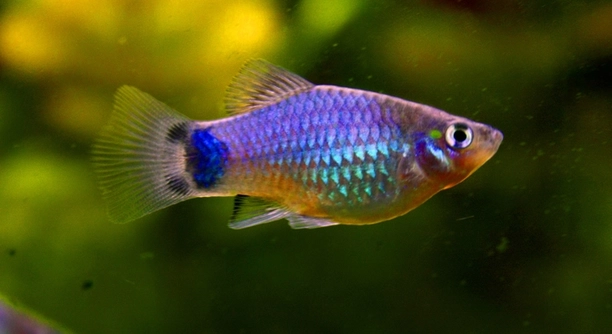
Have you ever noticed your platy acting a bit strange, pressing against the glass more often than usual? It’s something many fish owners encounter. This behavior can seem odd at first, especially in a calm tank.
The primary reason platys rub against the glass is due to irritation, most commonly caused by poor water quality, external parasites, or stress. This repetitive motion may also indicate discomfort or an attempt to relieve itching.
Learning what causes this behavior can help you prevent future health issues and maintain a more peaceful environment for your fish.
Common Reasons for Glass Rubbing in Platys
When a platy constantly rubs against the glass, it usually signals that something is bothering it. One of the most common causes is poor water quality. Ammonia or nitrite levels that are too high can irritate your fish’s skin. Another possible reason is the presence of external parasites, like ich or flukes, which can cause itching or discomfort. Stress is also a factor—this can come from sudden changes in water temperature, overcrowding, or aggressive tank mates. In some cases, platys rub the glass simply because they see their reflection and confuse it for another fish. While this might seem harmless, it’s important to observe for other symptoms. Look for signs like flashing, clamped fins, or loss of appetite. These clues can help you figure out what’s really going on. The key is to act early, before it affects your platy’s health more seriously.
This behavior should not be ignored, even if your platy seems active otherwise. Small signs often point to larger issues.
Maintaining good water conditions is the first step. Regular testing and partial water changes can help prevent irritation. If parasites are suspected, prompt treatment with the appropriate medication is necessary to protect your fish.
How to Help Your Platy Feel Better
Always start by checking the water parameters. Ammonia, nitrite, and nitrate levels should be within safe ranges to avoid irritation or stress.
If water tests come back normal, inspect your platy for signs of parasites. Look for white spots, stringy waste, or excessive scratching. If symptoms match, consider using a parasite treatment suited for livebearers. Remove activated carbon from filters during treatment, as it can absorb medication. Also, check the tank temperature and make sure it stays stable. A sudden shift can trigger stress. Clean the tank regularly, but avoid over-cleaning, as this can disturb the balance of beneficial bacteria. If aggression is an issue, separate the fish causing trouble. Sometimes, a stressed platy just needs a quieter space. Adding hiding spots or plants can also reduce anxiety. Pay attention to how your fish behaves over the next few days. Improvements usually appear quickly when the root cause is addressed.
What to Watch for Besides Glass Rubbing
Keep an eye out for other unusual behaviors, like loss of appetite, rapid gill movement, hiding more than usual, or sudden darting. These signs often show that something is wrong and need attention sooner rather than later.
Faded colors, clamped fins, or small white spots can signal parasite infections like ich. Flashing—when a platy suddenly swims sideways or rubs against surfaces—is another red flag. If your fish stays near the surface or bottom more than usual, it may be struggling with oxygen or stress. Check for cloudy eyes or frayed fins too, which can mean poor water or bullying from other fish. A combination of these symptoms usually means your fish is uncomfortable and might need treatment. Keep a simple log of what you notice. Changes in behavior that continue over several days often mean the issue isn’t going to go away on its own.
Behavioral signs should be taken seriously, especially if they appear with physical symptoms. It’s helpful to watch your fish during feeding times, as many issues become more obvious then. Sudden disinterest in food or changes in swimming patterns can show that your fish isn’t feeling right. Observing daily habits will help you catch problems early.
Simple Prevention Tips for a Healthier Tank
Regular maintenance makes a big difference. Weekly water testing helps you spot trouble before it causes harm. Clean the tank slowly and gently to protect the balance of good bacteria. Avoid sudden changes in temperature or pH, and feed high-quality food without overfeeding.
A consistent routine helps fish feel secure. Stick to the same feeding times, keep lighting stable, and avoid loud noises near the tank. Add plants or hiding spots to reduce stress. Use a proper filter that matches your tank size. Change about 25% of the water every week, using a water conditioner to remove chlorine and metals. If you add new fish, quarantine them first to prevent spreading illness. Keep the tank from becoming overcrowded. Platys enjoy space, and crowding increases aggression and stress. Watch your fish regularly. Early signs are easy to miss if you don’t look closely, but simple daily check-ins go a long way in keeping your tank healthy.
When to Treat and When to Wait
If your platy shows more than one symptom—like rubbing, clamped fins, or not eating—it’s safer to begin treatment. Waiting too long can lead to more serious health issues, especially if parasites or infections are involved.
If rubbing is the only symptom and your water tests are normal, observe for a few days. Sometimes fish rub briefly due to mild irritation or reflection. Avoid rushing into treatments unless other symptoms show up.
Picking the Right Treatment for Your Platy
Choose treatments designed for livebearers, as some medications are too harsh for sensitive species. For parasites like ich, a basic ich treatment works well when used as directed. Always remove carbon from the filter so the medicine can stay in the water. Raise the water temperature slightly if the treatment allows, as this helps speed up parasite cycles. Follow instructions exactly—overdosing can harm your fish. If you’re unsure, start with half the dose and watch how your platy responds. During treatment, reduce feeding and keep the tank dark if advised. After the course is done, do a partial water change and add fresh carbon to clear the medicine.
Signs Things Are Getting Better
When your platy stops rubbing the glass and swims calmly, that’s a good sign. Eating normally and interacting with other fish also means the treatment or changes are working.
FAQ
Can platys get bored and rub the glass because of that?
Yes, platys can get bored, especially in a tank with little stimulation. If the tank lacks plants, hiding spots, or other fish to interact with, your platy may start to pace or rub the glass out of habit. This behavior isn’t always about illness—it could mean your fish needs more to explore. Adding live plants, small decorations, or peaceful tank mates can help reduce boredom. Try rearranging the tank every few weeks. Keep in mind, though, that boredom alone usually doesn’t cause rubbing unless paired with other stressors like poor water quality or sudden changes in the environment.
How can I tell if it’s a parasite or just water irritation?
Parasites often come with other symptoms. Look for white spots, flashing, weight loss, or excess slime coat. If your fish is rubbing the glass and also showing signs like clamped fins or not eating, it’s likely a parasite. On the other hand, if water parameters are off, and there are no visible symptoms, the irritation may just be due to poor water quality. Testing the water will give you your first clue. If ammonia or nitrite levels are high, do a partial water change before jumping to medication. Observation over a day or two helps you decide what to do next.
Is rubbing the glass ever normal?
Occasional rubbing or bumping against the glass can be normal, especially if your platy sees its reflection and mistakes it for another fish. This is more common in tanks with clear glass on all sides or bright lighting. If it’s a one-time thing or doesn’t repeat often, there’s usually no need to worry. But when the rubbing becomes frequent or is paired with other symptoms, you’ll want to investigate. Normal behavior usually doesn’t look frantic or repetitive. Healthy platys should swim calmly, eat well, and interact with the rest of the tank without constant contact with the glass.
Should I remove my platy if it’s sick?
It depends on the type and severity of the illness. If you have a quarantine tank, moving the sick platy there can prevent spreading illness to others. This is especially helpful for parasites or bacterial infections. However, if you don’t have a separate tank, it’s better to treat the whole tank, since parasites and bacteria can already be in the water. If the platy is being bullied, separating it can also help with stress. Use your best judgment. Watch for worsening symptoms, and if you notice other fish showing the same signs, it’s time to treat the entire tank.
Can stress alone cause a platy to rub the glass?
Yes, stress can cause rubbing. Platys get stressed from sudden water changes, loud noise, aggressive tank mates, or a lack of hiding spots. Even bright lights or a tank placed in a busy room can raise their stress levels. When stressed, they may swim up and down the glass or rub against it in frustration. Try lowering stress by adding plants, keeping the lights soft, and ensuring they’re in a calm area. Consistent water conditions also make a big difference. Stress doesn’t always mean illness, but it weakens the immune system, making the fish more likely to get sick later.
What if nothing seems to be working?
If you’ve tested the water, ruled out parasites, and made adjustments without any changes in behavior, consider getting a second opinion. Sometimes problems are harder to see, like internal infections or long-term stress effects. A local aquarium shop or vet with fish experience can help. Also, try keeping a journal of what you’ve done—water parameters, changes, symptoms—to track patterns. Not everything shows results overnight. Some problems take a week or more to resolve, especially with treatments. Don’t give up right away. Subtle improvements, like better swimming or appetite, can mean things are heading in the right direction.
Final Thoughts
Taking care of platys doesn’t have to be complicated, but it does require attention to the little things. When your platy starts rubbing against the glass, it’s usually trying to tell you something. While it might be as simple as seeing its own reflection, it could also point to a deeper issue like parasites, poor water quality, or stress. The best thing you can do is stay calm and observe your fish closely. Look at how it swims, eats, and interacts with the tank environment. These clues help you decide if something is wrong or if your platy is just acting a bit strange for the moment.
Keeping the tank clean and stable is the most helpful thing you can do for your fish. Make sure you test your water regularly and do weekly partial water changes. Try to avoid sudden changes in temperature or pH, and always condition tap water before adding it to the tank. If you notice other symptoms like flashing, white spots, or clamped fins, consider treating the tank with a safe medication that’s meant for livebearers. And remember, not all treatments work the same for every fish. Always read the directions and adjust carefully based on how your platy reacts during the first day or two.
It’s easy to overlook small signs when your fish still seems active. But small changes in behavior can build up over time if ignored. The good news is that platys are strong, and they usually respond well when the problem is found early. By observing daily habits, making small improvements to their environment, and keeping stress low, you can help your platy stay healthy and happy. Every tank is a little different, so it may take time to find what works best. Just remember—consistent care and patience often make all the difference. Whether the rubbing is a minor reaction or something more serious, your awareness and quick action are what keep your fish safe.

Hello,
If you enjoy the content that we create, please consider saying a "Thank You!" by leaving a tip.
Every little bit helps us continue crafting quality advice that supports the health, happiness, and well-being of pets around the world, for pets of all shapes, sizes, and species.
We really appreciate the kindness and support that you show us!