
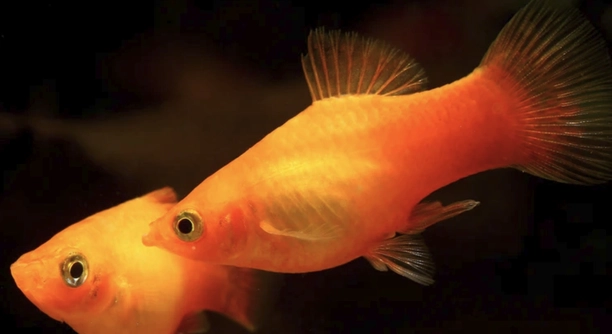
Platies are popular aquarium fish known for their bright colors and peaceful nature. Sometimes, they hide during feeding times, which can be concerning for fish owners. Understanding their behavior helps create a better environment for these delicate pets.
Platies often hide during feeding due to stress, poor water conditions, or fear of aggressive tank mates. Their natural instinct is to seek shelter when they feel threatened or uncomfortable, especially in unfamiliar or overcrowded environments.
Recognizing the reasons behind this behavior can improve your platy’s wellbeing and make feeding times less stressful for both you and your fish.
Common Reasons Platies Hide During Feeding
Platies may hide during feeding for several straightforward reasons. One common cause is stress from changes in their environment, such as new tankmates or shifting decorations. Stress makes them more cautious and less likely to come out during feeding times. Another reason is poor water quality, which can make fish feel unwell and less active. Platies are sensitive to water parameters like temperature, pH, and ammonia levels. If these are off, hiding becomes a way to protect themselves. Sometimes, more aggressive fish in the tank intimidate platies, causing them to stay hidden to avoid conflict. Providing plenty of plants and hiding spots can help reduce their anxiety and encourage feeding behavior. Keeping the tank clean and stable is essential for their comfort. Observing your platy’s tank environment and behavior will help identify the exact reasons for hiding during feeding.
Stress and poor water quality are often behind platies’ hiding behavior during feeding.
Ensuring a calm, well-maintained tank with gentle tankmates supports platies in feeling safe enough to feed openly. A planted tank provides natural hiding places, reducing stress and encouraging natural behavior. Regular water testing and gradual tank changes improve water conditions, keeping platies healthy and active. If aggression persists, consider separating fish to prevent ongoing stress. Feeding smaller amounts more frequently can also attract shy platies out of hiding. Understanding your platy’s needs creates a comfortable environment where they feel secure enough to eat confidently.
How to Encourage Your Platy to Feed
Providing a safe and consistent feeding routine helps platies come out of hiding. Feed them small portions at regular times, so they learn when to expect food. Using sinking pellets or flakes that spread gently through the water can attract platies more effectively. Avoid sudden movements or tapping on the tank, as this can scare them away. Offering a variety of foods, including live or frozen options like brine shrimp or daphnia, can spark their interest. Ensuring the tank has enough plants and decorations creates cozy spots where platies can retreat and feel secure. Observing their response to different feeding techniques will help you find the best way to encourage them to feed openly and comfortably. Patience and consistency are key when working with shy fish.
Adjusting Tank Conditions for Better Feeding
Stable water conditions are crucial for platies to feel comfortable feeding. Sudden changes in temperature or pH can cause stress, leading them to hide.
Regular testing of water parameters helps catch issues early. Use a reliable test kit to monitor ammonia, nitrite, nitrate, and pH levels. Maintaining temperature between 72-78°F keeps platies active. Avoid overcrowding the tank, as it increases waste and stress. Changing about 20% of the water weekly helps keep conditions stable. Using a gentle filter prevents strong currents that may scare shy fish. These small adjustments create an environment where platies feel safe enough to eat openly.
Planting live aquatic plants also improves water quality by absorbing excess nutrients and providing natural hiding spots. This reduces stress and encourages platies to come out during feeding times. Lighting should be balanced—not too bright or dim—to mimic natural conditions. Clear water and calm surroundings support healthy feeding behavior in platies.
Feeding Techniques to Reduce Hiding
Offering smaller amounts of food multiple times a day helps platies feel less pressured. Large amounts can cause competition and fear. Spread food evenly around the tank so shy fish have access without facing dominant ones. Using a feeding ring or placing food near hiding spots can encourage platies to come out slowly. Avoid sudden hand movements during feeding, which may frighten them. Slowly introducing new food types allows platies to adjust without stress.
Feeding live or frozen foods such as daphnia or bloodworms stimulates natural hunting behavior. This can motivate platies to leave hiding spots and engage actively with their environment. Observing their reactions helps fine-tune feeding methods, creating a routine that works best for each tank setup. Consistency and patience are essential when encouraging platies to feed more openly.
Signs of Stress in Platies
Platies may hide when stressed, showing signs like rapid gill movement or clamped fins. These behaviors indicate discomfort and fear.
Other signs include loss of appetite and sluggish swimming. Stress can weaken their immune system, making them more vulnerable to illness.
Improving Tank Environment
Adding more plants and decorations provides hiding spots, reducing stress. This makes platies feel safer and more confident during feeding.
Clean substrate and stable water parameters also create a comfortable environment. Avoid sudden noises or vibrations near the tank to keep fish calm.
Feeding Time Routine
Feeding platies at the same times daily builds trust and predictability. This routine helps reduce anxiety and encourages regular feeding behavior.
Avoiding Aggressive Tankmates
Aggressive fish cause platies to hide more often. Choosing peaceful companions creates a calm tank where platies feel secure to eat.
FAQ
Why does my platy hide only during feeding?
Platies often hide during feeding because they feel threatened or stressed. Feeding time can bring out more aggressive or faster fish that scare them. They might also be unsure about the food or the environment. If the tank is too bright, noisy, or crowded, platies prefer to stay hidden until it feels safe.
How can I tell if my platy is stressed?
Signs of stress include hiding more than usual, loss of appetite, clamped fins, rapid breathing, and sluggish swimming. Stress weakens their immune system, making them more prone to illness. Poor water quality or aggressive tankmates usually cause stress in platies.
What water conditions are best for platies?
Platies thrive in water with a temperature between 72-78°F, a pH of 6.8-8.0, and low levels of ammonia, nitrites, and nitrates. Keeping these stable by testing regularly and performing partial water changes helps reduce stress and encourages healthy feeding behavior.
Can platies adapt to new tankmates?
Platies are peaceful but can be intimidated by more aggressive or fast-moving fish. They can adapt if introduced gradually and if the tank has enough hiding spots. However, overly aggressive fish may keep them hiding often, so it’s best to choose calm tankmates.
What type of food do platies prefer?
Platies eat a variety of foods, including flakes, pellets, frozen, and live foods like brine shrimp and daphnia. Offering a balanced diet with occasional live or frozen treats can encourage feeding and reduce hiding. Feeding small amounts multiple times a day helps shy platies eat comfortably.
How do I reduce hiding during feeding?
Create a calm feeding environment by feeding small portions spread around the tank. Use plants and decorations to give platies safe places to come out from. Avoid sudden movements or loud noises during feeding. Consistent feeding times help platies feel secure and encourage them to feed openly.
Is hiding always a bad sign?
Not necessarily. Platies naturally hide to feel safe or rest. It becomes a concern when they hide constantly or stop eating. Monitoring their behavior and tank conditions helps determine if hiding is a normal habit or a stress response.
Can tank size affect platy behavior?
Yes. Overcrowded tanks increase stress and competition for food, causing platies to hide. A spacious tank with enough room for all fish and plenty of hiding spots encourages natural behavior and better feeding habits.
Should I separate my platy if it keeps hiding?
Separation may be necessary if aggressive tankmates cause constant stress. Moving a shy platy to a quieter tank or creating a separate space with barriers can help it feel safe and resume normal feeding.
How often should I clean my tank to keep platies comfortable?
Perform partial water changes of about 20% weekly to maintain water quality. Clean filters and remove uneaten food regularly. A clean tank reduces stress and supports healthy, active platies that feed confidently.
Can lighting affect feeding behavior?
Yes, very bright or inconsistent lighting can scare platies. Use moderate lighting with a regular day-night cycle. This creates a natural environment where platies feel secure to come out during feeding times.
What if my platy stops eating completely?
If your platy stops eating, check water quality and tankmates first. Stress or illness might be the cause. Isolate the fish if needed and offer varied, nutritious food. If problems persist, consult a vet or aquatic specialist.
Final Thoughts
Platies are sensitive fish that respond strongly to their environment. When they hide during feeding, it usually means they feel stressed or unsafe. This behavior is their natural way to protect themselves from threats like aggressive tankmates or poor water conditions. Understanding these reasons helps fish owners create a better environment for their platies. Small changes, such as improving water quality, reducing stressors, and providing hiding spots, can make a big difference in their comfort level. When platies feel secure, they are more likely to come out during feeding and display healthy, active behavior.
Maintaining stable tank conditions is essential for platy health. Regular water testing and partial water changes keep ammonia, nitrite, and nitrate levels in check. Keeping the water temperature steady between 72 and 78 degrees Fahrenheit supports their natural activity. In addition, adding live plants or decorations gives platies safe places to retreat if they feel threatened. This balance between safety and comfort encourages platies to feed openly instead of hiding. Feeding smaller amounts multiple times a day also reduces competition and stress, making feeding times more peaceful for shy fish.
Patience and observation are important when working with platies that hide. Each fish has a unique personality and may respond differently to changes in the tank. By carefully watching their behavior and adjusting the environment accordingly, owners can help platies feel more confident. Consistency in feeding routines, gentle handling, and a peaceful tank community will support their wellbeing over time. While it can be concerning to see your platy hide, these behaviors often improve with proper care and attention. Creating a calm, stable home will help your platy thrive and enjoy feeding times without fear.

Hello,
If you enjoy the content that we create, please consider saying a "Thank You!" by leaving a tip.
Every little bit helps us continue crafting quality advice that supports the health, happiness, and well-being of pets around the world, for pets of all shapes, sizes, and species.
We really appreciate the kindness and support that you show us!