
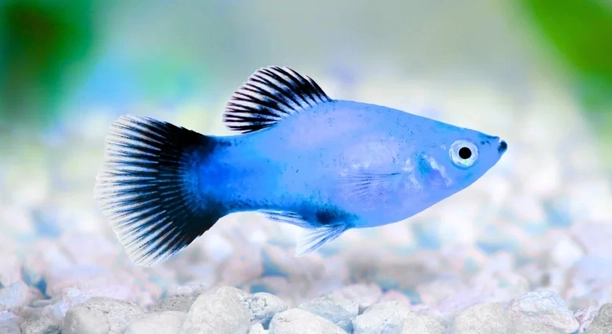
Many aquarium owners notice their platy fish acting aggressively toward smaller tank mates. This behavior can be puzzling and frustrating, especially when the smaller fish seem to suffer. Understanding why this happens helps improve the tank environment for everyone.
Platies often pick on the smallest fish due to territorial instincts and competition for food or space. Smaller fish may be seen as easy targets or threats, causing the platy to assert dominance. This behavior is a natural response rather than random aggression.
Recognizing these patterns can help you manage your aquarium better and create a peaceful space for all your fish to thrive.
Understanding Platy Behavior and Social Dynamics
Platies are generally peaceful fish, but they do have natural behaviors that influence how they interact with other fish. In a tank, platies establish a social hierarchy to maintain order, and this often leads to picking on the smallest fish. Smaller fish might be seen as less threatening, making them easier targets for displaying dominance. Platies also compete for resources such as food and hiding spaces, which can increase tension. When the tank is crowded or lacks enough hiding spots, this behavior can become more intense. Understanding these social dynamics helps explain why platies sometimes act aggressively even if they are not naturally mean fish. Their actions are about survival and maintaining balance in their environment.
Aggression is more common in tanks that are too small or have poor setups. Providing enough space and proper decoration can reduce stress and lessen this behavior.
Creating a tank environment with ample space, hiding places, and consistent feeding times encourages peaceful coexistence. Ensuring the tank is well-maintained and not overcrowded helps reduce competition and aggressive displays by platies.
How Tank Setup Influences Aggression
Tank size and layout are key factors in platy aggression.
A tank that is too small or lacks adequate hiding spots increases stress and competition among fish. Smaller fish become easy targets because they have nowhere to escape. Decorations like plants, rocks, and caves create safe zones and reduce conflicts. Feeding habits also matter; uneven food distribution can cause fighting as fish compete to eat. Keeping a balanced number of fish with compatible sizes and temperaments helps maintain harmony. Frequent monitoring of tank conditions and fish behavior allows you to intervene early if aggression escalates. Proper tank setup supports healthier, calmer fish and a more enjoyable aquarium experience overall.
Feeding Habits and Their Role in Aggression
Uneven feeding can cause platies to target smaller fish. When food is scarce or not evenly spread, competition rises.
If some fish get more food than others, the smaller or weaker ones may struggle. Platies might become aggressive to protect their share or secure more food. Feeding your fish small amounts several times a day helps reduce competition. Using feeding rings or spreading food around the tank encourages all fish to eat and lowers aggressive behavior caused by hunger.
Feeding should be consistent and balanced. Overfeeding can also cause problems like poor water quality, which stresses fish and leads to aggression. Watching feeding time closely helps ensure every fish gets enough without leftovers harming the tank’s environment.
Selecting Tank Mates for Platies
Choosing compatible tank mates is important for reducing stress.
Platies do best with peaceful, similar-sized fish. Avoid housing them with very small or overly aggressive species. Smaller fish often become targets, while aggressive fish may bully platies. Good tank mates include guppies, mollies, and other livebearers with calm temperaments. Introducing new fish gradually and monitoring interactions helps prevent conflict. Matching fish with similar activity levels and temperaments encourages a balanced aquarium where all fish can thrive without constant stress or aggression.
Recognizing Signs of Stress in Smaller Fish
Smaller fish often show stress by hiding more than usual. They may also lose color or stop eating.
Pay attention to erratic swimming or torn fins, which can indicate bullying. Early detection helps prevent serious harm.
Using Plants and Decorations to Reduce Aggression
Plants and decorations create hiding spots that reduce tension in the tank. They break up sight lines, which limits aggressive encounters. Live plants also improve water quality, benefiting all fish. Properly placed decorations give smaller fish places to retreat, making the tank feel safer and less stressful for everyone.
When to Separate Aggressive Fish
If aggression persists despite changes, separating the aggressive platy may be necessary.
Isolating the aggressive fish prevents injury and stress to others. Using a divider or separate tank gives the platy space to calm down. This step helps maintain a peaceful environment and protects vulnerable fish from harm.
FAQ
Why does my platy keep chasing the smallest fish?
Platies chase smaller fish mainly to establish dominance and protect their territory. Smaller fish are easier to intimidate, so platies use chasing to show control. This behavior can also stem from competition for food or limited space. Ensuring a well-set-up tank with enough hiding places helps reduce chasing.
Is it normal for platies to be aggressive?
Platies are generally peaceful, but some level of aggression is normal as they assert social order. This is more common in crowded tanks or when resources are limited. Proper tank management can minimize aggressive behavior.
How can I stop my platy from picking on smaller fish?
Improving the tank environment is key. Increase hiding spots using plants or decorations, feed fish evenly throughout the day, and avoid overcrowding. Also, choose compatible tank mates close in size to your platy.
Can stress cause my platy to act more aggressively?
Yes, stress from poor water quality, lack of space, or improper tank mates can increase aggression. Stress weakens fish and triggers defensive behaviors, so maintaining clean water and a balanced community is important.
Should I separate aggressive platies?
If aggression causes injury or constant stress, separating aggressive platies is a good solution. Use a divider or another tank to keep peace. Separation protects smaller or weaker fish from harm.
Does tank size affect platy aggression?
Smaller tanks increase aggression because fish have less space to establish territories and escape conflicts. A larger tank with enough room to swim and hide reduces stress and fighting.
Do feeding habits influence platy behavior?
Yes, inconsistent or insufficient feeding causes competition and aggression. Feeding small amounts several times daily and spreading food helps all fish get enough and lowers aggressive food guarding.
Are platies aggressive towards all small fish?
Not always, but they often target smaller, slower, or weaker fish because they are easier to dominate. Choosing tank mates with similar sizes and temperaments reduces these conflicts.
Can adding plants calm down aggressive platies?
Plants provide hiding spaces and break sight lines, which reduces stress and aggression. They also improve water quality, creating a healthier environment that supports peaceful behavior.
What signs show my smaller fish are being bullied?
Look for hiding, loss of color, torn fins, erratic swimming, or lack of appetite. These signs indicate stress or injury from bullying and should prompt changes in tank setup or fish arrangement.
Is it better to keep platies in groups or alone?
Platies are social and do better in groups. However, groups should be balanced in size and not overcrowded. Too many fish in a small space increases aggression, so keep a moderate number.
How do I choose the right tank mates for my platies?
Select peaceful fish with similar size and temperament. Avoid very small or aggressive species. Compatible fish reduce stress and aggression in the tank, promoting a calm community.
Will improving water quality reduce aggression?
Yes, clean water lowers stress and helps fish stay healthy. Poor water quality can cause irritability and increased aggressive behavior. Regular water changes and good filtration are essential.
Can platy aggression be a sign of illness?
Sometimes, sick or injured fish behave aggressively out of stress or confusion. Watch for other illness signs like lethargy or discoloration. Consult a vet or fish expert if needed.
How long does platy aggression last?
Aggression can be temporary during social adjustment or breeding but may persist if tank conditions don’t improve. Early intervention can shorten aggressive episodes and protect your smaller fish.
Are male platies more aggressive than females?
Males tend to show more territorial and competitive behavior, especially during breeding times. Females are usually calmer but can still display mild dominance.
Can I train my platy to be less aggressive?
Fish can’t be trained like pets, but creating a low-stress environment with enough space, food, and hiding spots helps reduce aggressive instincts naturally.
Do platies need a specific diet to reduce aggression?
A balanced diet supports overall health and reduces stress-driven aggression. Feeding quality food regularly and in appropriate amounts keeps platies healthy and less prone to fighting.
Is it safe to mix platies with very small fish like shrimp or fry?
Smaller fish and shrimp often become targets of platy aggression. If you want to keep them together, provide plenty of hiding places and monitor closely to avoid harm.
What should I do if my smallest fish get injured?
Isolate injured fish in a quarantine tank to heal. Check water conditions and tank setup to prevent further aggression. Treat wounds if needed and adjust community if bullying continues.
When keeping platies in your aquarium, it’s important to understand their behavior to create a peaceful environment. Platies are mostly peaceful fish, but they can show aggression toward smaller fish, especially in certain situations. This behavior usually comes from their natural instincts to protect territory or compete for food and space. Recognizing these reasons helps you make better choices when setting up your tank. Providing enough room, hiding spots, and proper feeding routines can make a big difference in reducing conflicts. When fish feel safe and well-fed, they are less likely to pick on the smaller or weaker ones.
Another important factor is the choice of tank mates. Platies do best with other peaceful fish of similar size. If the tank includes very small or aggressive species, problems are more likely to happen. Smaller fish often become targets because they are easier to dominate or chase away. Aggressive tank mates can increase stress for your platy and other fish, leading to more tension in the aquarium. Careful selection of compatible fish helps create a balanced community where each fish has its space and place. Watching the behavior of your fish regularly allows you to spot any early signs of trouble and act before problems worsen.
Finally, tank maintenance and environment play a key role in keeping your platies happy. Clean water, proper temperature, and good filtration reduce stress and illness, which in turn lowers aggression. Adding live plants and decorations offers hiding places and breaks up open areas where fish might fight. Feeding your fish regularly and evenly makes sure no one feels left out or hungry, which helps prevent food-related aggression. If aggression becomes too much, separating the aggressive fish may be necessary to protect others. Overall, understanding your platies’ behavior and caring for their environment helps maintain a calm, healthy aquarium where all fish can thrive peacefully.

Hello,
If you enjoy the content that we create, please consider saying a "Thank You!" by leaving a tip.
Every little bit helps us continue crafting quality advice that supports the health, happiness, and well-being of pets around the world, for pets of all shapes, sizes, and species.
We really appreciate the kindness and support that you show us!