
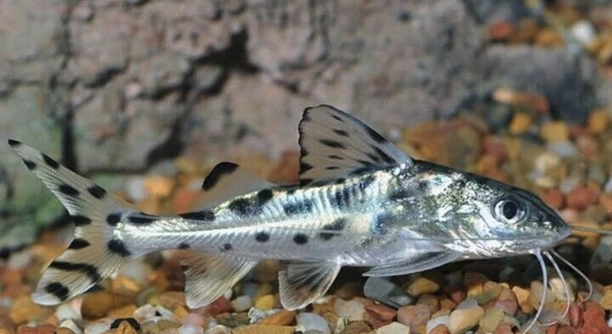
Do you ever find yourself watching your pictus catfish zoom around the tank and wonder what’s behind their fast swimming behavior?
Pictus catfish swim fast primarily due to their natural instincts and physical build. In the wild, their speed helps them evade predators and hunt efficiently. Their streamlined bodies and active nature make fast swimming a regular part of their behavior.
There’s more to this behavior than just energy and instinct—environmental conditions and tank setup can also influence their movement patterns.
Natural Instincts and Body Design
Pictus catfish are naturally fast swimmers because their survival in the wild depends on speed. They come from fast-flowing rivers in South America, where water currents are strong and predators are always nearby. To thrive in that kind of environment, they’ve developed long, slender bodies that reduce drag and allow quick movements. Their forked tails give them better control and quick bursts of speed, which is useful for both escaping threats and chasing food. Even in a home aquarium, those instincts remain strong. They swim quickly not out of stress, but because that’s how they’ve always moved. This behavior is part of their nature, not something they’ve learned in captivity. Keeping them in an environment that lets them follow their natural movement helps them stay healthy and active. You’ll often see them dart around the tank when they’re feeling especially energetic or if something catches their interest.
Their speed is a built-in trait, not a sign of discomfort.
Pictus catfish also swim faster during feeding time or when exploring their surroundings. Their strong senses help them detect changes quickly, which adds to their active behavior. These fish are wired to stay alert and keep moving.
Environmental Factors That Influence Speed
Water conditions and tank layout also affect how fast your pictus catfish swims.
If the water temperature is on the warmer side—between 75°F and 81°F—they become more active. Warmer water increases their metabolism, which makes them move more. Poor water quality, however, may make them dart around out of discomfort, so keeping ammonia and nitrite levels at zero is important. A well-oxygenated tank also encourages healthy movement. Beyond water quality, tank size plays a role. These fish need room to swim. A cramped tank will limit their movement and possibly stress them out. A tank of at least 55 gallons is ideal. Add hiding spots and smooth decorations to keep them stimulated and safe from injury. Other active tankmates can also affect their behavior. Pictus catfish may swim faster when they feel the need to compete for space or food. Keeping their environment balanced and peaceful lets them swim fast in a healthy, natural way. You’re more likely to see smooth, graceful motion when they feel safe and comfortable.
Behavioral Patterns and Tank Setup
Pictus catfish are most active during the evening and nighttime. Their fast swimming often increases when lights are low or off. This behavior connects to their natural habits as nocturnal fish in the wild.
They use their long whiskers, or barbels, to navigate and search for food, especially when visibility is low. That’s why you might see them swimming faster around dusk or when the room darkens. If the tank lighting is too bright or there’s not enough cover, they may stay hidden during the day and become more energetic after dark. Adding dim areas and hiding spots like caves or driftwood helps support their natural schedule. Feeding them at night also supports their routine. This setup encourages healthy movement and reduces stress. Watching them follow their natural rhythm can also make their activity easier to understand.
Fast swimming is often a sign of comfort when the tank supports their natural patterns.
Their behavior may also change depending on how many tankmates they live with. Crowded tanks can cause stress, while calm companions make them feel secure. Pictus catfish enjoy active environments but need enough space to swim freely. A peaceful, balanced tank setup helps keep their swimming fast but relaxed.
Feeding Habits and Activity Levels
Feeding time often triggers fast swimming. Pictus catfish rely on their sharp senses to detect food quickly, which causes sudden bursts of motion. They move swiftly across the tank, especially if food settles on the bottom.
Overfeeding or inconsistent feeding times can make them more frantic. A steady schedule and sinking foods reduce stress.
Social Behavior and Tankmates
Pictus catfish are naturally social, but they need the right companions. Fast swimming can increase if they feel unsafe or need to compete for food. Peaceful tankmates and a calm environment help maintain healthy swimming behavior. Avoid aggressive or overly territorial species that might trigger anxiety or constant movement.
Signs That Require Attention
If fast swimming is paired with gasping, rubbing, or hiding, it may point to stress or poor water conditions. Check the tank setup.
FAQ
Why does my pictus catfish swim so fast suddenly?
Sudden fast swimming is often a response to stimuli like feeding, changes in lighting, or movement outside the tank. It’s a natural reaction linked to their alertness and survival instincts. If the tank environment is stable and water quality is good, this behavior is normal and shows they are active and healthy.
Is it normal for pictus catfish to swim fast all the time?
Pictus catfish are naturally active swimmers, but they shouldn’t be speeding around nonstop. Constant fast swimming can indicate stress, poor water quality, or a lack of hiding spots. It’s important to check water parameters regularly and provide an environment with places to rest and feel secure.
Can water temperature affect my pictus catfish’s swimming speed?
Yes, warmer water increases their metabolism, causing more activity and faster swimming. Keeping the temperature stable between 75°F and 81°F helps maintain healthy behavior. Sudden temperature changes or extremes can stress them and lead to erratic swimming.
What tank size is best to allow my pictus catfish to swim comfortably?
A tank of at least 55 gallons is ideal to provide enough space for their natural swimming. Pictus catfish are active and need room to move freely. Smaller tanks can restrict movement and cause stress, which might lead to faster, more frantic swimming.
How does tank lighting influence their swimming behavior?
Pictus catfish are more active in low light or during nighttime. Bright lighting may cause them to hide, reducing visible swimming activity. Using dim lights or providing shaded areas encourages natural behavior, allowing them to swim actively when they feel safe.
Are there specific tankmates that affect my pictus catfish’s swimming speed?
Yes, tankmates influence their behavior. Peaceful, non-aggressive fish help pictus catfish swim calmly. Aggressive or overly territorial species can cause stress and constant fast swimming. Choose companions that match their temperament to create a balanced tank environment.
Does diet impact how fast my pictus catfish swim?
Feeding stimulates activity, causing faster swimming when food is present. Overfeeding or irregular feeding times may increase frantic swimming. Offering a consistent schedule with sinking foods helps regulate their behavior and prevents unnecessary bursts of speed.
What signs mean fast swimming is a problem?
If fast swimming comes with signs like gasping at the surface, rubbing against objects, or hiding excessively, it may indicate stress, illness, or poor water conditions. Testing water quality and observing other behaviors will help identify the issue.
Can stress make my pictus catfish swim faster?
Stress causes increased movement as fish try to escape discomfort. Causes include poor water quality, inappropriate tankmates, overcrowding, or insufficient hiding places. Addressing these factors helps reduce stress and normalizes swimming speed.
How can I encourage healthy swimming behavior in my pictus catfish?
Maintain clean, stable water conditions with proper temperature and oxygen levels. Provide a spacious tank with hiding spots and compatible tankmates. Feeding on a regular schedule and mimicking natural light cycles support their health and natural activity levels.
Is fast swimming a sign of good health?
Generally, yes. Active, fast swimming shows that your pictus catfish is alert and energetic. However, it must be balanced with periods of rest. Continuous, frantic swimming may signal problems that need attention.
What should I do if my pictus catfish is swimming too fast and seems stressed?
Test water parameters for ammonia, nitrite, nitrate, and temperature. Adjust the environment by adding hiding places and checking tankmates for aggression. Reduce feeding frequency if overfeeding is suspected. Monitor their behavior to see if conditions improve.
Do pictus catfish swim faster during breeding?
During breeding, pictus catfish may show increased activity, including faster swimming. This behavior is part of courtship and territory defense. It usually decreases after spawning.
Can tank decorations affect their swimming speed?
Yes, decorations that provide hiding spots encourage calmer swimming. Too few hiding places can make them feel exposed and increase fast swimming as a stress response. Ensure decorations have smooth surfaces to prevent injury.
Is it normal for pictus catfish to dart around when introduced to a new tank?
Yes, new environments trigger exploratory and escape instincts, causing fast swimming. After acclimating and feeling secure, their movement should become more relaxed.
How often should I test my tank water to maintain healthy conditions?
Regular testing, at least once a week, helps catch issues early. Keeping water parameters stable prevents stress-related fast swimming and supports overall fish health.
Can a noisy environment outside the tank cause my pictus catfish to swim faster?
Yes, sudden noises or vibrations can startle them, triggering quick swimming. Placing the tank in a calm, stable area reduces unnecessary stress.
Do pictus catfish prefer calm or flowing water?
They prefer moderate water flow, which mimics their natural river habitats. Too little flow may reduce activity, while excessive current can tire them out and increase frantic swimming.
How does oxygen level impact their swimming speed?
Well-oxygenated water supports healthy metabolism and normal activity. Low oxygen levels cause gasping and erratic swimming. Using an air stone or good filtration helps maintain proper oxygen levels.
Can age affect the swimming speed of pictus catfish?
Younger fish tend to be more active and faster swimmers. As they age, their energy levels may slow, leading to calmer movement. Proper care keeps them healthy at any age.
Pictus catfish are naturally fast swimmers, and their quick movements are part of their instinct and design. In the wild, their speed helps them avoid danger and find food, so even in a home aquarium, this behavior continues. Their slender bodies and strong tails are built for swift swimming, which makes sudden bursts of speed normal. While it can be surprising to see them dart around the tank, this is usually a sign that they are active and healthy. Understanding that fast swimming is natural helps avoid unnecessary worry about their behavior.
The environment plays a big role in how often and how fast pictus catfish swim. Water temperature, tank size, lighting, and tankmates all affect their activity levels. Warmer water raises their metabolism, making them move faster, while a well-sized tank allows them enough space to swim freely. Bright lighting may cause them to hide, reducing visible activity, while dim light or nighttime encourages their natural nocturnal behavior. Peaceful companions keep them calm, but aggressive or overly active fish may increase their stress and speed. Keeping the tank clean, properly heated, and well-decorated with hiding spots supports healthy swimming habits.
Fast swimming can be normal, but it can also signal issues when paired with other signs like gasping, rubbing, or hiding. Regular water testing, careful observation of behavior, and providing a balanced tank environment help maintain your fish’s health. Feeding routines also influence their activity, so a steady schedule with sinking food is best. When pictus catfish feel safe and comfortable, their fast swimming looks natural and smooth. Being aware of these factors makes caring for them easier and keeps their lively behavior enjoyable to watch.

Hello,
If you enjoy the content that we create, please consider saying a "Thank You!" by leaving a tip.
Every little bit helps us continue crafting quality advice that supports the health, happiness, and well-being of pets around the world, for pets of all shapes, sizes, and species.
We really appreciate the kindness and support that you show us!