
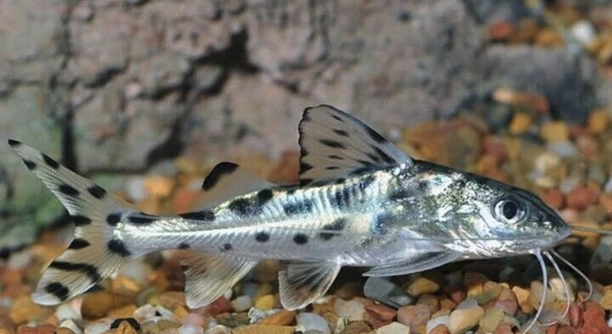
Many aquarists enjoy keeping Pictus catfish for their active nature and unique appearance. Sometimes, these fish swim directly into the glass of their tanks, which can be puzzling or concerning for owners. Understanding this behavior helps improve their care and environment.
Pictus catfish may swim into the glass due to reflections, stress, or exploring their environment. Reflections can confuse them, while stress from poor water conditions or tank setup causes erratic swimming. Ensuring proper care reduces this behavior.
Knowing why your Pictus catfish acts this way will help you create a better habitat for it. This article will explain common causes and suggest ways to keep your fish comfortable and healthy.
Why Pictus Catfish Swim Into the Glass
Pictus catfish often swim into the glass because they see their own reflection. The reflective surface can confuse them, making them think another fish is nearby. This may cause them to act defensively or curiously. Another reason is stress. If the tank conditions are not ideal, the fish may swim erratically, including bumping into the glass. Poor water quality, incorrect temperature, or overcrowding can contribute to this behavior. Sometimes, they swim against the glass while exploring their environment or looking for hiding places. It is important to regularly check the tank’s setup and maintain good water quality to reduce stress. Providing enough space and hiding spots helps your catfish feel secure and lowers unwanted swimming against the glass. Understanding these factors will improve your fish’s comfort and overall health.
Reflections and stress are the two main reasons Pictus catfish swim into the glass. Adjusting their environment often stops this behavior.
By keeping the tank clean and stable, your catfish will feel safer and swim naturally. Adding plants or decorations creates hiding spots, which reduces their need to explore the glass. Monitoring water parameters and avoiding overcrowding are key to preventing stress-related behavior.
How to Reduce Glass Bumping in Your Aquarium
The best way to stop your Pictus catfish from swimming into the glass is to reduce reflections and improve tank conditions. Covering part of the tank glass or changing the lighting can help minimize reflections.
Adjusting the environment by maintaining clean water, proper temperature, and enough space encourages calm swimming. Test the water regularly to keep levels safe for your fish. Avoid sudden changes to their habitat, as this can increase stress. Adding plenty of plants and decorations will make your fish feel more secure. These hiding spots allow your catfish to relax and avoid the glass. If your fish continue this behavior despite these changes, it may be worth consulting a specialist. Regular care and attention make a big difference in keeping your Pictus catfish comfortable and active.
Common Tank Conditions That Affect Behavior
Poor water quality often causes fish to act strangely, including swimming into the glass. High ammonia, nitrite, or nitrate levels stress your catfish and may lead to erratic swimming. Keeping water parameters within safe limits is essential.
Regular testing and water changes are vital for maintaining a healthy aquarium. Ammonia and nitrite should always be at zero, while nitrates must stay below 20 ppm. Using a reliable test kit helps monitor these levels. Filtration should be appropriate for the tank size to keep water clean and oxygenated. Neglecting these tasks leads to stress and health problems for your Pictus catfish. Providing stable water conditions helps prevent behaviors like bumping into the glass and supports your fish’s well-being.
In addition to water quality, tank temperature affects your catfish’s behavior. Pictus catfish prefer temperatures between 72°F and 78°F. Temperatures outside this range cause discomfort and may increase erratic swimming. Use a heater with a thermostat to maintain a steady temperature. Sudden changes in temperature, such as during water changes, can also stress your fish. Taking steps to stabilize the tank environment helps your catfish swim naturally and reduces unwanted behaviors.
Lighting and Reflections
Bright or inconsistent lighting can create strong reflections on the glass, confusing your catfish. Adjusting light intensity or using a tank background reduces reflections and improves fish comfort.
Strong light causes reflections that trick your fish into thinking another fish is present, making them swim toward the glass. A dark or solid background behind the tank can prevent these reflections. Using dimmable lights or providing shaded areas with plants also helps. Avoid placing the tank where direct sunlight hits the glass, as this increases glare and heat. Managing lighting properly improves your catfish’s environment and decreases glass-bumping incidents.
Stress Factors in Pictus Catfish
Stress causes unusual swimming behavior, including glass bumping. Loud noises, frequent disturbances, or overcrowding can make your catfish nervous.
Providing a calm environment with fewer sudden movements helps your fish feel safe. Overcrowding increases competition and stress, so keep an appropriate number of fish for your tank size.
The Role of Tank Decorations
Plants, rocks, and hiding spots offer security and reduce stress. Pictus catfish use these areas to rest and avoid bright light or other fish.
Decorations break up reflections on the glass and give your fish places to explore. A well-decorated tank encourages natural behavior and keeps your catfish calm.
Feeding and Behavior
Feeding times can influence swimming patterns. Overfeeding or irregular feeding schedules may cause restless or erratic swimming.
Consistent feeding with proper portions keeps your catfish calm and healthy.
When to Seek Help
If your catfish continues to bump the glass despite changes, a health issue could be present. Consult a fish expert or veterinarian for advice.
FAQ
Why does my Pictus catfish keep swimming into the glass?
This behavior is often caused by reflections, stress, or environmental factors. Reflections on the glass can confuse the fish, making them think there is another catfish nearby. Stress from poor water quality, incorrect temperature, or overcrowding can also cause erratic swimming. Improving tank conditions and reducing reflections usually helps reduce this behavior.
Is it harmful if my Pictus catfish swims into the glass?
Occasional swimming into the glass is generally not harmful, but frequent bumping can cause injury or stress. Continuous impact may damage their delicate fins or skin. It is important to identify the cause and adjust the tank environment to prevent any harm.
How can I reduce reflections in my aquarium?
To reduce reflections, use a dark background on your tank or place a non-reflective film on the outside glass. Adjusting the lighting to avoid direct glare on the glass helps too. Providing plants and decorations breaks up reflections inside the tank.
What tank conditions should I monitor to keep my catfish healthy?
Keep ammonia and nitrite levels at zero and nitrates below 20 ppm. Maintain a stable temperature between 72°F and 78°F. Regular water changes and proper filtration are essential. Testing water parameters frequently helps catch issues before they stress your fish.
Can stress cause my Pictus catfish to behave oddly?
Yes, stress often leads to unusual swimming or hiding. Stress can come from loud noises, sudden movements near the tank, overcrowding, or poor water quality. Creating a calm environment and providing enough space and hiding spots helps reduce stress.
How much space does a Pictus catfish need?
Pictus catfish grow up to 5 inches and need at least a 30-gallon tank to swim comfortably. Overcrowding can increase stress and lead to glass bumping. Ensure the tank size fits the number of fish you keep.
What decorations are best for reducing glass bumping?
Use live or artificial plants, rocks, and caves to create hiding spots and break reflections. Decorations provide security and stimulate natural behavior. Avoid sharp objects that could injure your fish.
Could illness cause my catfish to swim into the glass?
Illness or parasites can affect swimming ability, causing erratic movements or bumping. If your fish shows other signs like loss of appetite, discoloration, or lethargy, seek veterinary advice.
How often should I feed my Pictus catfish?
Feed your catfish once or twice a day with small portions. Overfeeding can cause water quality issues and stress, while irregular feeding can make your fish restless.
What should I do if changes in the tank don’t stop the glass swimming?
If you’ve improved water quality, reduced reflections, and added hiding spots but the behavior continues, consult a fish specialist or veterinarian. There might be underlying health problems needing treatment.
Pictus catfish swimming into the glass is a common behavior that many fishkeepers notice. It often happens because the fish is confused by reflections or feels stressed due to the tank environment. While this behavior might seem worrying, it usually signals that some changes are needed in the tank setup or care routine. Making sure the water quality is good, the temperature is stable, and the tank is not overcrowded can help reduce this behavior. Also, reducing reflections on the glass and adding decorations where the fish can hide makes a big difference. These steps improve the comfort and safety of your catfish.
Keeping a healthy aquarium takes attention and regular maintenance. Pictus catfish are active and sensitive fish that respond to their environment quickly. Stress is a major reason for unusual behavior like bumping into the glass, so providing a calm and stable home is important. Simple actions like checking water parameters, feeding the right amount, and avoiding loud noises can make your fish feel more secure. Adding plants and caves in the tank gives your catfish places to rest and hide when it wants to. These small changes often stop the glass swimming and help your catfish show more natural behavior.
If you have tried these tips and your catfish still swims into the glass a lot, it might be a sign of a health issue. Watching for other signs like changes in appetite, appearance, or movement is important. If you notice anything unusual, talking to a fish expert or veterinarian can help find the right solution. Remember, the goal is to create the best environment possible for your Pictus catfish so it can live a long, healthy life. Paying attention to your fish’s behavior and needs is the best way to keep it happy and comfortable in your care.

Hello,
If you enjoy the content that we create, please consider saying a "Thank You!" by leaving a tip.
Every little bit helps us continue crafting quality advice that supports the health, happiness, and well-being of pets around the world, for pets of all shapes, sizes, and species.
We really appreciate the kindness and support that you show us!