
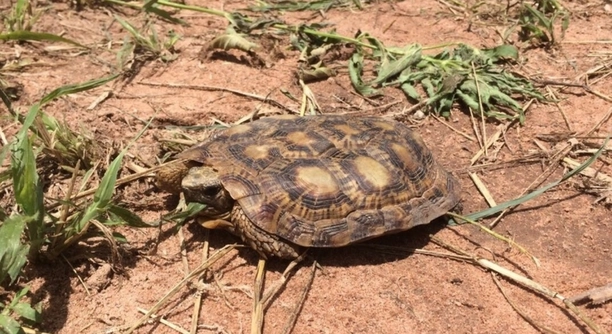
Pancake tortoises are unique creatures, and it’s not uncommon for them to try to escape their enclosures. Their behavior can sometimes puzzle owners, especially when it appears to be excessive or persistent.
Tortoises, including pancake tortoises, are known for their natural instinct to seek out open spaces. This behavior stems from their instinctual drive to roam, forage, and explore. Additionally, improper habitat setup can lead to frustration, prompting escape attempts.
Understanding these factors will help you provide a better environment for your pancake tortoise, ensuring its well-being and preventing frequent escape attempts.
Why Is My Pancake Tortoise Always Trying to Escape?
Pancake tortoises are known for their natural instincts to roam and explore, and this behavior often leads them to try escaping their enclosures. They are not shy about attempting to climb or squeeze through any gaps they may find. Their desire for space and access to food can trigger this escape-seeking behavior. If your pancake tortoise seems restless or constantly searching for ways to break out, it’s likely an expression of their need to explore their environment. This behavior may intensify if they feel their habitat is too small or lacks adequate stimulation.
Pancake tortoises have specific needs that must be met to feel secure in their environment. If the enclosure does not replicate their natural habitat, such as the right temperature, humidity, and hiding spots, they may become stressed. This stress can lead to more frequent attempts at escaping.
Providing a larger, more enriched space with rocks, branches, and areas for climbing may reduce the need for escape attempts. Additionally, making sure their enclosure is secure and free from gaps will prevent frustrating experiences. When their needs are met, they are less likely to seek out an escape.
Creating the Right Environment for Your Tortoise
A secure, spacious enclosure is essential to prevent your pancake tortoise from trying to escape. It’s important to replicate their natural habitat as much as possible. Be sure to include items like rocks and branches that allow climbing and hiding.
The enclosure should be large enough to give them room to roam. If you only provide a small space, they will likely feel cramped and try to escape. Besides ample space, maintaining the right conditions is vital. Ensure the area has a temperature gradient with warmer spots for basking and cooler zones for resting. Proper humidity is also crucial, especially in a dry climate. Make sure to have a reliable heating source and humidity control to avoid creating an environment that stresses your tortoise.
These factors combined will create a secure, comfortable home for your pancake tortoise. This will not only reduce escape attempts but also promote overall health and happiness. The more their environment mimics their natural habitat, the less likely they are to feel the urge to escape.
Proper Diet and Its Impact on Behavior
A balanced diet plays a significant role in your pancake tortoise’s behavior. When they are underfed or lacking in nutrients, they may act out, including trying to escape. Providing the right foods can help curb this.
The main components of a pancake tortoise’s diet should include dark leafy greens, vegetables, and some fruits. High-fiber foods, such as dandelion greens and clover, are important for their digestive health. If their diet is not balanced, your tortoise may not feel as healthy or content, which can lead to frustration and escape attempts. Additionally, be sure to provide fresh water daily.
It’s also essential to avoid overfeeding, as an overly full tortoise can become lethargic and stressed, which may encourage escape-seeking behavior. Regularly checking the quality of food and adjusting portions will help meet their dietary needs, reducing the chances of unwanted behavior.
Mental and Physical Stimulation
Pancake tortoises need mental and physical stimulation to feel at ease in their enclosures. A lack of stimulation can lead to anxiety, which may result in them trying to escape. Providing enrichment activities can help.
Incorporating different objects, such as rocks, logs, or hiding spots, can encourage exploration. Creating a varied terrain that mimics their natural environment will keep them mentally engaged. Additionally, offering new food items occasionally can provide a mental challenge. The more varied their environment, the less likely they will become bored and attempt to escape.
Introducing regular changes to their habitat, such as rearranging objects or adding new plants, can also prevent them from feeling trapped or unstimulated. A stimulating environment will not only improve their behavior but also promote healthy activity and exploration.
Health Issues That May Cause Escape Attempts
Health problems can also be a factor in why your pancake tortoise is trying to escape. If they are in pain or discomfort, they may attempt to escape as a way to find relief.
Common health issues in pancake tortoises include respiratory infections, parasites, or shell problems. If they are feeling unwell, they may become more restless. This restlessness may translate into attempts to leave their enclosure. If you suspect any health problems, it’s important to consult a veterinarian experienced with reptiles. Proper care and treatment will help ensure their well-being.
Regular checkups and monitoring for any signs of illness can help catch health problems early, preventing behavioral issues from escalating.
The Role of Socialization
Pancake tortoises are generally solitary creatures but can still benefit from socialization. If they feel isolated or lack interaction, they may show signs of stress, leading to escape attempts.
When housed alone, a lack of interaction with other tortoises can result in your pet feeling lonely or anxious. While they are not social animals by nature, occasional gentle handling or a different environmental setup can help. For some tortoises, having a companion might reduce anxiety. It’s important to observe how your tortoise reacts to different situations and make adjustments accordingly.
FAQ
Why is my pancake tortoise trying to escape?
A pancake tortoise may try to escape due to several factors, such as inadequate space, an unstimulating environment, or health problems. Their natural instincts drive them to explore, so if their enclosure feels cramped or uncomfortable, they may try to escape in search of more space. A lack of hiding spots or climbing opportunities can also lead to frustration. If the tortoise is unwell or stressed, it might attempt to escape as a way of seeking comfort.
How can I prevent my pancake tortoise from escaping?
To prevent your pancake tortoise from escaping, make sure their enclosure is secure and provides enough space for roaming. Add climbing structures, rocks, and hiding spots to mimic their natural habitat and provide stimulation. Ensuring the enclosure is free from gaps or weaknesses where the tortoise could squeeze through is crucial. Regularly check the temperature and humidity to ensure their environment remains comfortable and healthy. Lastly, addressing any dietary or health concerns promptly will help reduce stress and improve overall behavior.
Can a small enclosure make my pancake tortoise try to escape?
Yes, a small enclosure can cause your pancake tortoise to feel confined, leading them to attempt escape. These tortoises are naturally inclined to roam and explore, so limiting their space may make them anxious. A cramped environment can also prevent them from engaging in the behaviors they need for mental and physical stimulation, like climbing or foraging. To reduce escape attempts, ensure their habitat is spacious enough for movement and offers plenty of enrichment.
What should I feed my pancake tortoise to prevent escape behavior?
A well-balanced diet is important to keep your pancake tortoise healthy and content. They require a variety of leafy greens, such as dandelion greens, collard greens, and kale. Some fruits and vegetables can be included occasionally, but avoid sugary foods. A diet rich in fiber will support their digestion and overall well-being. Ensuring they are properly nourished will help prevent escape-seeking behavior linked to stress, frustration, or an attempt to find better food sources.
Could my pancake tortoise be trying to escape due to boredom?
Yes, boredom can lead to escape attempts in pancake tortoises. These reptiles need mental stimulation to stay happy and healthy. A lack of activities, such as climbing or foraging, can lead them to feel bored, which may cause them to seek an escape. To address this, provide plenty of enrichment in their environment, such as branches, rocks, and hiding spots. Regularly change the layout of the enclosure to keep them engaged and prevent boredom from setting in.
Are there any signs that my pancake tortoise is stressed?
Yes, stress in a pancake tortoise can manifest in several ways, including constant pacing, hiding, loss of appetite, or excessive attempts to escape. Stress can be caused by a variety of factors, such as an overcrowded enclosure, incorrect temperature or humidity levels, or lack of proper food. If you notice these signs, it’s important to assess their environment and health. Adjustments in their habitat and care routine will help reduce stress and promote well-being.
Is it okay to house my pancake tortoise with others?
While pancake tortoises are generally solitary, they can tolerate the presence of other tortoises under the right conditions. However, overcrowding or competition for resources may cause stress and lead to escape attempts. If you plan to house multiple tortoises, make sure there is ample space, plenty of hiding spots, and a balanced food supply. Keep an eye on their interactions to ensure they are not becoming territorial or stressed by each other’s presence.
How often should I change the setup of my pancake tortoise’s enclosure?
Changing the setup of your pancake tortoise’s enclosure occasionally can help prevent boredom and provide new stimulation. While it’s not necessary to make drastic changes regularly, moving objects like rocks, branches, and plants around every few weeks can keep them interested. Make sure the habitat remains safe and secure after any changes, and always maintain proper temperature and humidity. A variety of environments will keep your tortoise active and mentally engaged.
How do I know if my pancake tortoise is sick?
Signs of illness in a pancake tortoise can include lethargy, loss of appetite, abnormal breathing, wheezing, or abnormal shell appearance. If you notice any of these symptoms, it’s important to seek veterinary care as soon as possible. Health issues can lead to stress and may contribute to escape attempts if the tortoise is trying to find a way to relieve discomfort. Regular checkups will help catch illnesses early, keeping your tortoise in good health.
What temperature should my pancake tortoise’s enclosure be?
Pancake tortoises require a temperature gradient in their enclosure. The basking area should be between 90-95°F, while the cooler area should be around 75-80°F. Having this gradient allows your tortoise to regulate its body temperature and promotes overall health. Consistently monitoring the temperature with a reliable thermometer is crucial for preventing health problems that can cause stress or escape behavior.
Can humidity levels affect my pancake tortoise’s behavior?
Yes, humidity plays a crucial role in your pancake tortoise’s health. They require moderate humidity levels, generally around 50-60%. Low humidity can cause dehydration, while high humidity can encourage fungal growth or respiratory issues. Maintaining proper humidity will keep your tortoise comfortable and healthy, reducing stress that may trigger escape attempts.
Should I provide any hiding spots in my pancake tortoise’s enclosure?
Yes, providing hiding spots is important for your pancake tortoise’s sense of security. Tortoises often seek refuge in secluded areas, especially when they feel threatened or stressed. Adding rocks, logs, or plants can give them a place to hide and rest. These hiding spots will help reduce anxiety and prevent unnecessary attempts to escape.
Final Thoughts
Understanding why your pancake tortoise might be trying to escape can help you address the root cause of the behavior. By creating a comfortable, secure, and stimulating environment, you can reduce the likelihood of escape attempts. These tortoises are naturally curious and active, so it’s important to offer a habitat that reflects their needs. Space, enrichment, and proper care are key to keeping your tortoise happy and healthy.
Health concerns, inadequate space, or stress from a lack of stimulation are common reasons for escape behavior. Regular checkups, a proper diet, and an environment that encourages exploration and hiding can go a long way in preventing your tortoise from feeling the need to escape. If you notice signs of illness or stress, it’s essential to take action as soon as possible to avoid further complications.
By understanding your pancake tortoise’s natural instincts and providing a suitable habitat, you’ll help ensure they feel secure and content. Monitoring their behavior and making necessary adjustments will not only reduce escape attempts but also improve their overall well-being. A little effort in creating the right environment goes a long way in making sure your tortoise leads a happy, healthy life.

Hello,
If you enjoy the content that we create, please consider saying a "Thank You!" by leaving a tip.
Every little bit helps us continue crafting quality advice that supports the health, happiness, and well-being of pets around the world, for pets of all shapes, sizes, and species.
We really appreciate the kindness and support that you show us!