
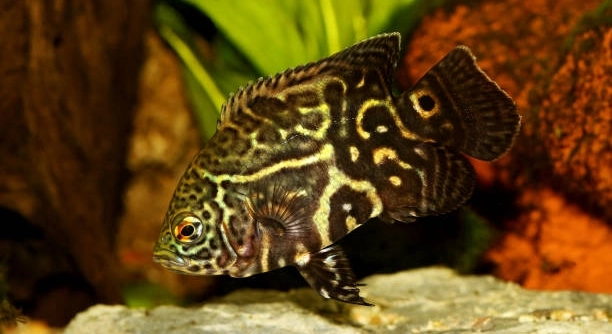
Oscar fish are known for their playful behavior, but when it comes to flicking their fins, there might be more to it than just a quirky habit. Understanding this behavior can help ensure your Oscar stays healthy and happy.
Oscars flick their fins for a variety of reasons, including stress, illness, or water quality issues. It can also be a sign of aggression or a way to communicate with other fish. Monitoring the environment and behavior is key.
Flicking fins could signal something important. By understanding the cause, you can create a better habitat for your Oscar to thrive.
Common Causes of Fin Flicking
Oscars are naturally active fish, but when they start flicking their fins, it’s usually a sign of discomfort. One common reason is poor water quality. If the water’s pH, temperature, or ammonia levels are off, it can irritate your fish, causing them to flick their fins. Infected or damaged fins can also lead to this behavior. Make sure your tank is properly filtered, and check the water parameters regularly. If your Oscar’s fins are damaged, it’s crucial to address the injury immediately to prevent infection.
Sometimes, fin flicking can happen due to stress. Stressors like overcrowding, sudden changes in water conditions, or aggressive tank mates might lead your Oscar to flick its fins. These actions are often a way to express discomfort or frustration.
Keeping an eye on the fish’s behavior and tank conditions is vital. By addressing these issues early, you can help your Oscar feel more comfortable and reduce fin flicking.
Identifying Water Quality Issues
The quality of the water in your Oscar’s tank can significantly impact its behavior. Oscars thrive in clean, well-maintained water. Poor water quality is one of the most common reasons for health issues, including fin flicking. Regular water changes and proper filtration are essential to maintain a healthy environment.
Make sure the tank’s water temperature stays consistent and check the pH level regularly. The ammonia and nitrate levels should be kept low, as high levels of these substances can stress the fish. Over time, consistent monitoring and maintenance of the water quality will help your Oscar feel more at ease in its environment.
Stress and Aggression
Stress is one of the most common reasons behind fin flicking. Oscars can be highly territorial, especially if they feel crowded or threatened by other fish. Overcrowding in the tank or aggressive tank mates can trigger this behavior. If your Oscar feels like its space is being invaded, it may react by flicking its fins to establish dominance or to signal distress.
If your Oscar shares the tank with other fish, ensure there’s enough room for all of them. Avoid tank mates that are too small or too large, as they could stress your Oscar. Adding hiding spots or decorations can help create territories within the tank, reducing aggression.
Sometimes, sudden changes in water conditions or an unfamiliar environment can also cause stress. A move to a new tank or a shift in water temperature may cause your Oscar to flick its fins. By keeping a stable and predictable environment, you can reduce stress and prevent fin flicking.
Physical Injury or Infection
Injuries to the fins can also lead to flicking behavior. If your Oscar has been in a fight with another fish or scraped itself on a rough object, the injured area might become irritated, causing it to flick its fins in an attempt to alleviate discomfort.
Infected fins are another potential cause. Bacterial or fungal infections can cause swelling, redness, and fraying, which might lead to increased flicking as your Oscar tries to remove the irritation. It’s crucial to examine your Oscar’s fins closely for any signs of damage or infection. If you spot anything unusual, it’s best to treat it immediately.
Make sure the tank has no sharp edges or objects that could cause harm. Regularly clean the tank and monitor your Oscar’s health to catch any potential infections early. When treating fin injuries or infections, use appropriate medications based on the type of issue you’re facing.
Water Temperature Fluctuations
Oscars are sensitive to temperature changes. If the water temperature fluctuates too much, it can cause stress and lead to behaviors like fin flicking. Maintaining a consistent water temperature between 74°F and 80°F (23°C to 27°C) is essential for your Oscar’s well-being.
Rapid changes in temperature can weaken your Oscar’s immune system, making it more prone to stress and illnesses. Investing in a reliable heater and thermometer will help keep the temperature stable, preventing sudden shifts that could trigger flicking or other stress behaviors.
Tank Size and Space
Oscars require a large tank to feel comfortable. A tank that is too small can lead to stress and territorial behavior, which can result in fin flicking. Make sure your Oscar has plenty of space to swim freely without feeling crowded.
A minimum tank size of 55 gallons is recommended for one Oscar. If you keep multiple Oscars or other fish, a larger tank may be necessary to accommodate them. A spacious tank allows your fish to establish territories and reduces aggressive behavior, leading to a calmer environment.
Poor Diet
A poor diet can also affect your Oscar’s behavior. Oscars need a varied diet that includes high-quality pellets, live food, and occasional frozen treats. An imbalanced diet can lead to nutritional deficiencies, causing stress and fin flicking.
Providing a proper diet ensures your Oscar remains healthy and strong. This, in turn, helps reduce behavioral issues like fin flicking. Consider offering a mix of proteins, vitamins, and minerals to keep your Oscar in top condition.
FAQ
What can I do if my Oscar keeps flicking its fins?
First, check the water quality. Ensure the pH, ammonia, and nitrate levels are within the proper range. Clean the tank and perform regular water changes to maintain a healthy environment. Additionally, make sure the water temperature is stable. If the flicking continues, examine your Oscar for any injuries or signs of infection. If you find any damage, treat it immediately with the appropriate medication.
How can I reduce stress for my Oscar?
To reduce stress, provide enough space for your Oscar to swim comfortably. Avoid overcrowding the tank and ensure the other fish are compatible. Adding decorations like plants or caves can create hiding spots and territories, which helps reduce aggression. Maintaining stable water conditions is also crucial for preventing stress.
Can fin flicking be a sign of illness?
Yes, fin flicking can be a sign of illness. Infections, parasites, or internal issues like swim bladder disease can cause discomfort that leads to flicking. If the flicking is accompanied by other signs of illness, such as faded color, lethargy, or loss of appetite, it’s important to treat the underlying condition as soon as possible.
How can I tell if my Oscar’s fins are injured?
Injuries to the fins are often visible through tears, fraying, or redness. If you notice your Oscar’s fins appear damaged or show signs of swelling, it’s important to check the tank for sharp objects that may have caused the injury. Treat any injuries promptly to prevent infection and further damage.
Why is my Oscar flicking its fins around other fish?
Oscars can be territorial, and flicking their fins around other fish might be a sign of aggression or dominance. If your Oscar feels threatened by another fish or is marking its space, fin flicking can be its way of asserting control. If aggression is severe, it might be necessary to separate the fish to prevent harm.
Is it normal for Oscars to flick their fins occasionally?
Occasional fin flicking is generally normal, especially if your Oscar is adjusting to its environment or interacting with other fish. However, if the flicking becomes persistent or is accompanied by other unusual behaviors, it’s important to investigate further to ensure there are no underlying health or environmental issues.
What are some signs that my Oscar’s water quality is poor?
Poor water quality can show through signs like cloudy water, an unpleasant smell, or an increase in algae growth. Your Oscar may also display symptoms like lethargy, loss of appetite, or abnormal swimming behavior. Testing the water regularly and performing routine maintenance will help you spot these issues early.
How do I prevent fin injuries in my Oscar?
To prevent fin injuries, ensure there are no sharp objects in the tank that could cause harm. Regularly inspect decorations, rocks, and substrate for rough edges. Providing plenty of space for your Oscar and avoiding aggressive tank mates can also reduce the risk of injuries during interactions.
Can poor diet cause fin flicking?
Yes, a poor diet can lead to nutritional deficiencies that may affect your Oscar’s overall health and behavior. A diet lacking in essential vitamins, minerals, and proteins can lead to stress, weakened immune function, and even fin flicking. Offering a balanced diet of pellets, live food, and occasional treats will help maintain your Oscar’s health.
How often should I change the water in my Oscar’s tank?
It’s recommended to change 25-30% of the water every week to maintain healthy water conditions. This helps prevent the build-up of harmful toxins and ensures that your Oscar has a clean and stable environment. In between changes, monitor the water parameters regularly to catch any imbalances early.
What tank mates are best for Oscars?
When choosing tank mates for your Oscar, consider large, hardy fish that can handle the Oscar’s aggressive nature. Fish like cichlids, large catfish, and other robust species are good choices. Avoid small fish that might become prey or overly aggressive fish that could provoke your Oscar.
How do I monitor my Oscar’s health?
Regularly observe your Oscar’s behavior, appearance, and eating habits. Look for signs of stress, injury, or illness, such as faded color, lack of appetite, or erratic swimming. Keeping a close eye on the water quality and providing a balanced diet are essential for maintaining your Oscar’s overall health.
Can I treat fin flicking with medication?
Medications can help treat fin flicking if it’s caused by an underlying illness, infection, or parasites. Always diagnose the cause before administering any treatment. If you’re unsure, consult a veterinarian or fish expert to ensure the right medication is used. Overusing or misusing medication can harm your Oscar.
Should I separate my Oscar from other fish if it’s flicking its fins?
If the fin flicking is due to aggression or stress caused by other fish, separating them might be the best solution. However, if the flicking is due to illness or injury, it’s better to treat the underlying cause first. If necessary, set up a quarantine tank to isolate your Oscar.
How can I make my Oscar feel more comfortable in its tank?
To make your Oscar feel more comfortable, provide a spacious tank with plenty of hiding spots, caves, and plants. A stable, clean environment with proper water temperature and pH is essential for reducing stress. Avoid sudden changes and maintain consistent water conditions to help your Oscar feel secure.
Final Thoughts
Understanding why your Oscar keeps flicking its fins is important for ensuring its health and comfort. While fin flicking can sometimes be a normal behavior, persistent flicking is often a sign of stress, illness, or poor water quality. It’s essential to address the underlying cause, whether it’s environmental or related to the fish’s physical health. Regularly checking water conditions, maintaining a proper diet, and providing a spacious and comfortable tank can help reduce stress and prevent such behaviors.
If you notice any other symptoms along with the fin flicking, such as changes in eating habits, lethargy, or discoloration, it’s crucial to investigate further. These could indicate a more serious problem, such as an infection or parasite. In these cases, acting quickly is necessary to prevent the condition from worsening. By identifying and addressing the root cause, you can often treat the issue and help your Oscar recover quickly.
Ultimately, the well-being of your Oscar depends on providing a stable and clean environment, offering proper nutrition, and being attentive to any changes in behavior. By paying close attention to its health and making necessary adjustments to its environment, you can help ensure that your Oscar thrives. Taking the time to understand your fish’s needs will lead to a happier, healthier Oscar and a more enjoyable aquarium experience.

Hello,
If you enjoy the content that we create, please consider saying a "Thank You!" by leaving a tip.
Every little bit helps us continue crafting quality advice that supports the health, happiness, and well-being of pets around the world, for pets of all shapes, sizes, and species.
We really appreciate the kindness and support that you show us!