
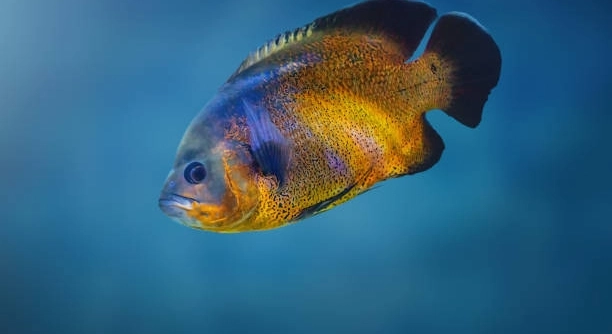
Oscar fish are often lively and social, but if yours has suddenly taken to hiding all day, it can be concerning. This behavior may stem from a variety of causes, including environmental stressors or health issues.
Oscar fish typically hide due to stress, illness, or discomfort in their environment. Changes such as water quality fluctuations, sudden temperature shifts, or overcrowded tanks can make them seek refuge in hiding spots. Health problems, such as parasites, may also contribute.
Understanding the reasons behind this behavior can help address the underlying issue and improve your fish’s well-being.
Common Causes of Hiding Behavior in Oscar Fish
Oscar fish are known for their bold personalities, but they can become withdrawn if something is off in their environment. Stress from sudden changes in water conditions or lighting may prompt them to retreat and hide. It’s important to keep the tank stable and make gradual changes. Noise or rapid movements around the tank can also affect your fish. They are sensitive to vibrations and disturbances, which can cause them to feel threatened. Additionally, Oscar fish might hide if they are ill. Symptoms like lack of appetite, faded colors, or abnormal swimming behavior may indicate a health issue that needs attention.
Sometimes, Oscar fish hide when they feel overcrowded or have insufficient space in their tank. If the tank is too small or there are too many fish, the Oscar might retreat to a hiding spot to feel safe. Check the tank’s size and stocking levels to ensure they have enough space to thrive.
An Oscar fish hiding should not be dismissed. Understanding the stressors they face will help in providing the best care possible.
Health Issues That Might Cause Hiding
Fish can hide as a response to illness. If your Oscar suddenly hides all day, it’s a signal that something may not be right. This could range from parasites to internal issues. In any case, ignoring these signs can worsen the condition.
Oscar fish are susceptible to various diseases, including ich and fin rot. Ich, or “white spot disease,” is a common parasite that causes fish to retreat and rub against surfaces. Other signs of illness include a lack of energy, labored breathing, and loss of appetite. If left untreated, these conditions can lead to serious complications.
If your Oscar’s behavior changes suddenly, consider testing the water quality. Ammonia, nitrites, and nitrates in excess can cause significant stress and make your fish hide. The pH level should also be checked, as drastic swings can lead to discomfort and illness. Regular water changes and proper filtration are key to maintaining a healthy tank environment.
Water Quality and Temperature Impact
Water quality is crucial for Oscar fish. Poor water conditions can cause stress and make them retreat. Test the water regularly for ammonia, nitrites, and nitrates. Keeping the water parameters in the ideal range is essential for their health.
Oscar fish are sensitive to changes in water temperature. They thrive in temperatures between 75°F and 82°F (24°C–28°C). If the water is too cold or too hot, they may hide to avoid discomfort. Additionally, poor filtration can cause the water to become cloudy, which can irritate your fish and lead to stress. Frequent water changes help maintain a clean environment.
Maintaining a steady temperature is just as important as keeping the water clean. Sudden temperature fluctuations can make your Oscar fish feel unsafe, encouraging them to find refuge in hiding spots. Installing a reliable heater and checking it regularly can prevent temperature-related issues. Ensuring optimal water quality and temperature will help your Oscar feel more secure in their tank.
Stress and Environmental Changes
Oscar fish are easily stressed by changes in their environment. Adding new fish, rearranging decorations, or even changing the water’s pH level can cause them to hide. The sudden introduction of foreign elements can disrupt their sense of security.
When introducing new tank mates, it’s important to take precautions. Gradually acclimate the new fish to the tank to avoid overwhelming your Oscar. The introduction of bright lights or loud noises can also lead to stress. If your Oscar suddenly hides after an event in the tank, it’s likely due to the disruption. Keeping their environment stable is essential for reducing stress.
Oscar fish enjoy having their space and need a secure hiding spot. However, too many hiding places or a cluttered tank can contribute to them becoming overly cautious and retreating more often. Ensuring that your fish have both secure and open areas can help balance their behavior. Keeping their environment calm will reduce stress and help them regain their confidence.
Overcrowding in the Tank
Overcrowding can make your Oscar fish feel anxious and unsafe. They need space to swim and establish territory. When there are too many fish in the tank, it can lead to stress and hiding. Make sure your tank is appropriately sized for the number of fish you have.
Crowding can also lead to territorial disputes, especially if other fish are aggressive or dominant. Oscars are known for being territorial, and if they feel threatened, they will seek refuge in hiding spots. Ensuring enough space in the tank allows them to feel more secure and reduces the likelihood of this behavior.
Tank Size and Setup
Oscar fish grow large, and they need ample space to thrive. A tank that is too small will limit their movement and increase stress. A minimum tank size of 55 gallons is recommended for a single Oscar. Larger tanks are preferable for long-term health.
A well-planted tank with open swimming areas and hiding spots is ideal for Oscars. Plants and decorations should provide cover without cluttering the space. Giving them a balance of hiding areas and free space encourages healthy behavior and reduces stress. Avoid overcrowding with other fish to maintain a peaceful environment.
Health Monitoring and Observation
Monitoring your Oscar’s health is essential. Regularly check for signs of illness, such as loss of appetite, faded colors, or abnormal swimming. Early detection of health problems can prevent your fish from hiding excessively due to illness. Keep an eye on their activity level and eating habits.
FAQ
Why is my Oscar fish hiding all day?
Oscar fish often hide due to stress, discomfort, or illness. Stressors can include poor water quality, overcrowding, or sudden changes in their environment. Illnesses, such as parasites or internal problems, can also cause them to retreat. Pay attention to their tank conditions and behavior to identify potential issues.
How can I tell if my Oscar fish is sick?
Signs of illness in Oscar fish include faded colors, loss of appetite, labored swimming, or erratic behavior. If your Oscar is hiding frequently or seems lethargic, it could be a sign of health problems. Observing closely and acting quickly can prevent the condition from worsening. It’s best to consult an aquarium expert or veterinarian if you suspect illness.
What should I do if my Oscar fish is stressed?
If your Oscar is stressed, first check the water quality. Test for ammonia, nitrites, and nitrates to ensure they are within safe limits. Also, check the temperature and pH levels. Minimize disturbances around the tank, such as loud noises or sudden movements, and avoid rearranging decorations. Creating a stable, calm environment will help reduce stress.
Can I add new fish to my Oscar’s tank?
When adding new fish, it’s important to introduce them gradually. Oscars are territorial and may become aggressive towards new tankmates. It’s recommended to add fish of similar size to avoid bullying. Make sure the tank is large enough for multiple fish, and monitor their interactions closely after the introduction.
What size tank does an Oscar fish need?
Oscar fish grow large and need ample space to thrive. A 55-gallon tank is the minimum size for one Oscar, but a 75-gallon tank or larger is preferred. A larger tank provides better water quality management, more swimming space, and reduces territorial issues. Ensure your tank is adequately filtered to handle the waste produced by an Oscar.
How often should I change the water in my Oscar’s tank?
Regular water changes are vital for maintaining water quality. Perform partial water changes of 25-30% every two weeks, or more frequently if needed. Monitor the water parameters regularly, and adjust the frequency based on the tank’s condition. Proper filtration and water changes will help keep your Oscar healthy and reduce hiding due to poor water quality.
Why is my Oscar fish not eating?
Oscar fish may stop eating due to stress, illness, or poor water quality. If your Oscar is not eating, check the water parameters first. Ensure the temperature and pH are stable and within their ideal ranges. If the issue persists, it could be a sign of illness or injury, and a veterinarian may be needed.
Can I keep multiple Oscars together?
While Oscars are territorial, they can sometimes live together in larger tanks. However, conflicts may arise, especially if there is not enough space. If you choose to keep multiple Oscars, ensure your tank is large enough (at least 75 gallons) and monitor their behavior closely to avoid aggression. It’s usually best to keep them as a single fish in the tank to avoid territorial disputes.
Is it normal for an Oscar fish to hide during the night?
Yes, Oscar fish often hide during the night. They are nocturnal creatures, and it’s normal for them to rest in their hiding spots. However, if your Oscar hides all day and night, it may be a sign of stress or illness. Monitor the behavior and tank conditions for any changes.
How can I prevent my Oscar from getting sick?
Maintaining optimal water quality is crucial for preventing illness in Oscar fish. Regularly test the water for ammonia, nitrites, and nitrates, and perform water changes as needed. Keep the tank clean, provide a balanced diet, and avoid overfeeding. Prevent stress by avoiding overcrowding and sudden environmental changes. Regular observation will help catch any issues early.
What should I feed my Oscar fish?
Oscar fish are carnivorous and require a protein-rich diet. Offer them high-quality pellets, live or frozen foods like shrimp, worms, and small fish. It’s important to provide variety but avoid overfeeding. Feeding 2-3 times a day in small portions will ensure they get the right amount of nutrition without compromising water quality.
How can I make my Oscar fish feel more comfortable?
To help your Oscar feel more comfortable, provide a stable and clean environment. Ensure the tank has adequate filtration, and avoid sudden changes in temperature or water chemistry. Place hiding spots like rocks or plants for security, but ensure there is enough open space for swimming. Reducing stressors, such as noise and sudden movements, will also help them feel secure.
Final Thoughts
Oscar fish are beautiful and engaging pets, but they can also be sensitive to changes in their environment. It’s important to pay attention to their behavior and make adjustments when needed. If your Oscar suddenly starts hiding or acting differently, it could be a sign of stress, poor water quality, or an underlying health issue. Taking care of their tank environment, including water quality, temperature, and space, is essential to keeping them healthy and happy. Monitoring their behavior regularly and responding to any changes can help prevent long-term issues.
One key factor in maintaining a healthy Oscar is ensuring their tank is large enough. A tank that is too small can cause stress and limit their movement, which could lead to hiding or other abnormal behaviors. A minimum of a 55-gallon tank is recommended, but a larger tank is always better. In addition to the size of the tank, it’s also important to maintain clean water and keep the tank free of pollutants. Regular water changes, proper filtration, and the right temperature will help create a stable environment that encourages your Oscar to feel secure and comfortable.
Understanding and responding to your Oscar’s needs is crucial. Stress can come from many sources, including overcrowding, changes in the tank’s layout, or introducing new fish too quickly. Over time, your Oscar may become more accustomed to its environment, but maintaining a peaceful, clean tank and avoiding sudden changes is always the best approach. Regular observation and care can ensure your Oscar thrives for many years. By paying attention to their needs and being proactive in tank management, you can prevent many of the common issues that lead to hiding and other behavioral changes.

Hello,
If you enjoy the content that we create, please consider saying a "Thank You!" by leaving a tip.
Every little bit helps us continue crafting quality advice that supports the health, happiness, and well-being of pets around the world, for pets of all shapes, sizes, and species.
We really appreciate the kindness and support that you show us!