
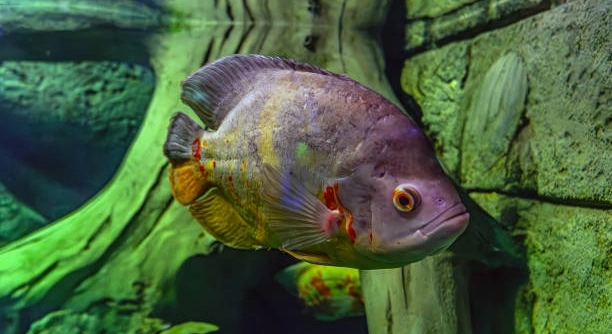
Oscar fish are beautiful, but they can sometimes startle easily. If you’ve noticed your Oscar fish reacting this way, you’re not alone. Understanding why this happens can help you create a calmer environment for your fish.
Oscar fish tend to startle easily due to their highly sensitive nature and instinctive responses to threats. Sudden movements, changes in lighting, or unfamiliar objects can cause them to react quickly, as they are naturally wary of potential danger.
Several factors can contribute to their jumpiness, including stress, environmental changes, or the presence of other fish. Identifying these triggers will help you manage their behavior more effectively.
Why Does Stress Make Oscar Fish Startle?
Stress is a common reason behind your Oscar fish’s sensitivity. Stressful situations, like rapid changes in water temperature, inconsistent water quality, or overcrowding, can trigger a fear response in your fish. Oscar fish are naturally skittish, and stress can heighten this tendency. Even something as simple as loud noises or sudden movements near the tank can make them react strongly. When an Oscar feels unsafe, it will often startle, swim erratically, or hide in a corner. Ensuring a stable, quiet environment is key to reducing stress.
A healthy tank environment is essential for Oscar fish to thrive. Ensuring consistent water conditions and a calm atmosphere will help keep them relaxed.
Oscar fish also react strongly to sudden changes in their surroundings. This can include anything from adding new tankmates to rearranging decorations. They may interpret these shifts as threats. To keep your Oscar from startling, try to minimize disruptions in their environment and handle the tank as gently as possible.
How Can Lighting Affect an Oscar’s Behavior?
Lighting plays a big role in your Oscar fish’s comfort. Bright lights, especially when turned on suddenly, can startle them. This is because they are adapted to environments with natural light and darker areas where they feel safe. Intense lighting can be stressful for them, causing erratic movements and anxiety.
The best solution is to avoid harsh lighting in their tank. You can use dimmer lights or lights on a timer that mimic a day-night cycle. This helps reduce stress and allows your fish to rest more easily. Additionally, Oscars may feel less threatened if they have areas in the tank where they can hide from the light when needed.
Maintaining a calm and gentle lighting schedule is a simple yet effective way to keep your Oscar comfortable. Try using subdued lighting during the day, and dim it gradually at night. This approach gives your Oscar time to adjust and reduces sudden startles caused by sharp shifts in light.
Tank Mates and Their Impact on Oscar Fish
Tank mates can greatly affect your Oscar fish’s behavior. If they are kept with overly aggressive or territorial species, this can lead to heightened stress. When Oscars feel threatened by other fish, they may become more jumpy and startle more easily. The best tank mates are peaceful, non-invasive fish that won’t compete for space or food.
It’s essential to monitor your Oscar’s interactions with other fish. If aggression arises, it could stress them out and make them more sensitive to their environment. Try to avoid placing small or slow-moving fish in the same tank, as Oscars can be territorial and may become aggressive towards them.
Overcrowding can also contribute to stress, making your Oscar feel threatened by its tankmates. Ensure the tank is large enough for all the fish to have their own space, and consider the personalities of the species you introduce. When Oscars feel more secure in their environment, they are less likely to startle.
Water Quality and Its Effects on Behavior
Water quality is one of the most important factors in keeping your Oscar calm. Poor water conditions can cause your fish stress, leading to frequent startling. Oscars are sensitive to changes in pH, ammonia levels, and nitrate concentrations. Keeping the water clean with regular filtration and water changes is essential.
Oscars also react to fluctuations in water temperature, which can add to their unease. If the water gets too hot or too cold, your Oscar will likely show signs of stress, such as erratic swimming or hiding. Consistent water temperature helps prevent such stress responses, allowing your Oscar to stay relaxed and avoid startling easily.
To maintain proper water quality, it’s important to test the water regularly and adjust accordingly. Use an efficient filtration system and perform water changes as needed to ensure your Oscar fish remain healthy and comfortable. Clean, stable water helps reduce environmental stress and encourages calm, normal behavior.
Feeding Habits and Their Influence
Overfeeding or inconsistent feeding can lead to Oscar fish feeling uneasy. If the fish aren’t fed at regular intervals or if they are given too much food, this can disrupt their routine and cause anxiety. This stress may make them more prone to starting easily.
Stick to a feeding schedule to avoid making your Oscar feel overwhelmed. Offering appropriate portions at consistent times helps them feel more secure in their environment. This simple routine can go a long way in reducing their stress and preventing sudden movements.
The Role of Size and Space in Your Oscar’s Behavior
The size of the tank matters a lot in keeping your Oscar relaxed. If the tank is too small, your Oscar may feel cramped and more easily startled. A larger tank provides more space for swimming and reduces the chances of territorial disputes.
Ensuring your Oscar has enough room to move around freely can minimize stress. A larger tank also allows for proper filtration and water circulation, which helps maintain water quality. When your Oscar has a suitable space, it feels safer and less likely to react with sudden movements to any perceived threats.
Routine and Stability
Oscar fish thrive on routine and stability. A predictable environment with minimal changes is essential for their comfort. If they are constantly exposed to disruptions, like rearranging the tank or moving objects, they may become stressed and easily startled.
FAQ
Why does my Oscar fish swim erratically?
Oscars are known for their playful and sometimes unpredictable swimming patterns. However, if your Oscar is swimming erratically, it could be a sign of stress or poor water conditions. Rapid movements, sudden turns, or swimming in circles may indicate an issue with water temperature, pH balance, or tank mates. It’s essential to test your water regularly for ammonia, nitrites, and nitrates. Make sure the water temperature is stable and within the optimal range for Oscars, around 74–81°F (23–27°C). If the erratic swimming continues, consider isolating the fish or adjusting the tank’s environment to see if the behavior improves.
How can I reduce the sudden startle response in my Oscar fish?
To help your Oscar fish feel more secure and reduce their startle response, it’s important to create a calm and consistent environment. Keep the tank in a quiet area away from heavy foot traffic or loud noises. Avoid sudden movements around the tank, and make sure the lighting is soft and gradual to prevent startling the fish. In addition, maintaining stable water conditions—temperature, pH, and cleanliness—will help reduce the likelihood of your Oscar becoming skittish. Regularly check the water quality and make changes as necessary to keep the environment safe and comfortable for your fish.
Can my Oscar fish become less jumpy over time?
Yes, with a stable environment and regular care, your Oscar fish can become less jumpy. Over time, as your Oscar becomes accustomed to its surroundings, it may adjust to routine changes and become more confident in its environment. However, this depends on several factors, including the tank size, water quality, and the presence of other fish. Reducing stress and minimizing disruptions will help your Oscar feel more at ease. Patience is key, as some Oscars may take longer to adjust than others.
What types of fish can I keep with my Oscar without causing stress?
When choosing tank mates for your Oscar, it’s important to select peaceful and non-territorial fish. Large fish that can hold their own, like silver dollars, pacu, or other Oscars (if you have a large tank), can be suitable companions. Avoid keeping small or slow-moving fish, as your Oscar may see them as prey. Similarly, avoid aggressive fish, as they may cause your Oscar to become stressed or defensive. Always monitor their interactions and be prepared to separate them if aggression or stress becomes apparent.
How often should I feed my Oscar fish?
Oscar fish should be fed once or twice a day, with portions that they can consume within 2-3 minutes. Overfeeding can cause stress and water quality issues. Ensure you’re providing a balanced diet that includes high-quality pellets, live or frozen food such as shrimp, and occasional plant-based options. A consistent feeding schedule helps your Oscar feel secure and minimizes the likelihood of anxiety-induced behaviors like starting or hiding. Avoid feeding too much at once, as leftover food can deteriorate the water quality, leading to further stress for your Oscar.
Why is my Oscar fish hiding all the time?
If your Oscar is hiding more than usual, it’s often a sign of stress. Possible causes include poor water quality, aggressive tank mates, or sudden changes in the environment, such as new decorations or alterations in water temperature. Oscars are sensitive to their surroundings and may retreat when they feel threatened or uncomfortable. Ensure that the water conditions are ideal and consider removing or re-arranging any potential stressors. Providing hiding spots, such as plants or caves, can help your Oscar feel more secure while it adjusts to its environment.
How do I know if my Oscar is stressed?
Signs of stress in an Oscar can include rapid breathing, hiding, erratic swimming, loss of appetite, and visible damage to their fins or body. If the fish is more jumpy than usual or showing abnormal behavior, it’s important to investigate the cause. Check the water conditions first, as changes in temperature, pH, or contaminants can stress the fish. Also, observe the tankmates for aggression or signs of overcrowding. Identifying the source of stress and addressing it quickly can help prevent more serious health issues.
Can Oscar fish tolerate lower water temperatures?
Oscar fish prefer warmer water temperatures, generally ranging between 74-81°F (23-27°C). Lower temperatures can cause stress and slow down their metabolism, making them more susceptible to illness. It can also impact their immune system, making them more prone to infections. Keeping the water within the optimal temperature range will ensure your Oscar remains healthy and comfortable. If the water gets too cold, your Oscar may show signs of lethargy, reduced appetite, and increased stress responses. Use a reliable heater to maintain a consistent temperature.
What should I do if my Oscar becomes aggressive?
Oscar fish can become aggressive if they feel threatened, are stressed, or are competing for resources. If aggression occurs, it’s important to assess the situation. First, make sure there’s enough space in the tank for all fish. If your Oscar is aggressive towards specific tankmates, consider removing them or providing hiding spots to reduce conflict. Overcrowding, lack of territory, or competing for food can all contribute to aggressive behavior. If your Oscar’s aggression persists, it might be worth isolating it temporarily or adjusting the tank setup to ease tension.
How do I prevent my Oscar from jumping out of the tank?
Oscar fish are known to jump when startled, especially in tanks without a proper lid. To prevent your Oscar from leaping out, ensure the tank has a secure lid or cover. Additionally, make sure the water level is not too high, as this gives your fish less space to jump. If your Oscar is still attempting to jump, it may be a sign of stress, so check for environmental factors like water quality or tank mates that might be causing anxiety. Regularly observe your Oscar to ensure it’s comfortable in its environment.
Final Thoughts
Oscar fish are beautiful and fascinating creatures, but their sensitive nature requires careful attention to their environment. If your Oscar fish startles easily, it’s often a sign that something in its surroundings is causing stress. Whether it’s poor water quality, abrupt lighting changes, overcrowding, or the presence of aggressive tank mates, these factors can make your Oscar fish feel unsafe. By maintaining stable water conditions, providing a peaceful tank environment, and sticking to a consistent routine, you can help your Oscar feel more secure and reduce its startle response.
Understanding what triggers your Oscar’s jumpiness is essential. Stress can come from many sources, and identifying the problem can take some time. Regular water testing and ensuring the tank is large enough for your Oscar to move around freely are simple steps to create a calm habitat. Lighting should also be adjusted to avoid startling the fish, and placing the tank in a quiet area can help limit stress caused by noise or movement around the tank. When the tank is properly maintained, your Oscar will likely show signs of becoming more comfortable and confident.
While Oscars may always have a naturally cautious side, with the right care, they can live happily and reduce their tendency to startle. Providing appropriate tank mates and keeping their environment as stress-free as possible goes a long way. A little patience and understanding of their behavior will allow you to create a more comfortable space for your Oscar, leading to a healthier and more relaxed fish. By being mindful of their needs, you can enjoy the beauty and personality of your Oscar fish without constant concern about their startled reactions.

Hello,
If you enjoy the content that we create, please consider saying a "Thank You!" by leaving a tip.
Every little bit helps us continue crafting quality advice that supports the health, happiness, and well-being of pets around the world, for pets of all shapes, sizes, and species.
We really appreciate the kindness and support that you show us!