
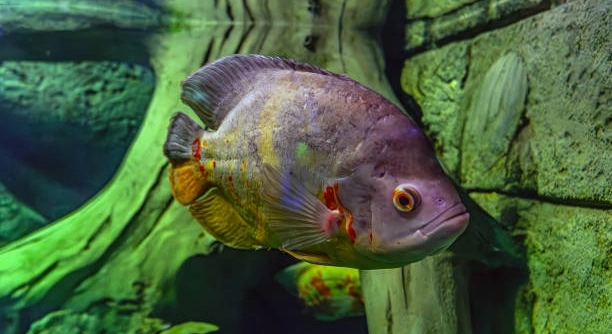
Oscar fish are fascinating creatures, and it’s not uncommon to notice them yawning. This behavior may leave you wondering if there’s a reason behind it. Understanding their natural habits can help clarify this curious action.
Oscar fish may yawn as a response to stress, tiredness, or environmental factors like water quality. This behavior is not usually a sign of a health issue but can indicate they need a change in their surroundings.
This article will guide you through the possible causes of this behavior and help you ensure your Oscar fish remain healthy and content.
Reasons Behind Oscar Fish Yawning
Oscar fish may seem to yawn as part of their regular behavior. It often happens when they are stressed, tired, or simply adjusting to changes in their environment. While it may seem unusual, this action is generally harmless. Stress could stem from sudden changes in water temperature or poor water quality, both of which impact the fish’s comfort. Additionally, Oscar fish are naturally curious and may yawn as a way to stretch their jaw muscles after periods of activity. Though yawning is commonly observed, it’s important to assess other factors like their overall behavior.
Sometimes, an Oscar fish may yawn after eating. This could be a sign of normal digestion. However, if yawning becomes frequent or if it’s accompanied by other signs of distress, such as faded colors or lack of appetite, it’s time to check water conditions. Proper tank maintenance, such as regular water changes, can reduce stress levels and improve overall health. Monitoring the environment and your fish’s behavior will help maintain a healthy tank.
An Oscar fish’s yawning could also be a simple response to a tankmate’s actions or a reflection of its natural habits. Observing your fish closely can provide insights into their emotional state. Ensuring they are in a peaceful, stable environment with consistent care is crucial.
How to Maintain Healthy Water Conditions
Water quality plays a significant role in your Oscar fish’s well-being. Regular water changes, monitoring pH levels, and ensuring the tank has proper filtration are necessary steps in keeping them comfortable.
Oscar fish thrive in clean, stable environments. Consistent water temperature, along with periodic water changes, helps reduce stress and potential health problems. The tank should have appropriate filtration to remove waste and maintain clarity. Avoid overcrowding, as this can cause stress and trigger unusual behaviors like excessive yawning.
Stress and Overcrowding
Overcrowding in an aquarium can lead to increased stress levels for Oscar fish. A cramped tank causes competition for space, food, and territory, which can trigger yawning as a sign of discomfort.
The ideal tank size for Oscar fish is at least 55 gallons for one fish, with additional space for each additional Oscar. Too many fish in a small tank will increase waste buildup, worsen water quality, and create an environment full of tension. This can make Oscar fish more likely to display signs of stress, such as yawning. Ensure they have room to swim freely and establish their own space.
A lack of hiding places can also cause stress. Providing decorations like rocks or plants allows Oscar fish to feel safe. While Oscar fish can be territorial, offering spaces where they can retreat will reduce aggression and lower the likelihood of yawning from stress.
Water Temperature and pH Levels
Inconsistent water temperature and improper pH levels can lead to yawning in Oscar fish. They prefer a stable environment to remain comfortable and healthy.
Oscar fish thrive in water temperatures between 74°F and 81°F, with a pH level ranging from 6.5 to 7.5. Fluctuations in either of these factors can cause discomfort, making the fish more prone to exhibiting unusual behavior, like yawning. Sudden temperature changes can shock the fish, leading to stress. Using a reliable heater and thermometer will help maintain consistent conditions.
Regular testing of pH and temperature is essential for their well-being. If the levels are too high or low, it can affect your Oscar fish’s health, leading to more frequent yawning. Stabilizing both factors will help them adjust better to their environment and reduce stress.
Diet and Overfeeding
Overfeeding is another common cause of yawning in Oscar fish. When fed too much, they may experience digestive discomfort, which can lead to yawning.
Oscar fish should be fed only as much as they can consume in a few minutes. Excess food left in the tank can decompose, impacting water quality and causing stress. Feeding them too often may also lead to obesity, which can further contribute to physical discomfort and yawning.
Ensure they are fed a balanced diet with high-quality pellets, supplemented by occasional live food like worms or shrimp. Regular feeding schedules help maintain their health while preventing the overfeeding issue.
Aggression and Territorial Behavior
Oscar fish are naturally territorial. This behavior can sometimes lead to yawning, particularly if they feel their space is threatened.
To reduce aggression, consider tankmates that can tolerate Oscar fish’s dominant nature. It’s also important to provide enough space for each fish to establish their territory. Proper tank setup, including hiding spots, will give Oscar fish areas to claim as their own and reduce the likelihood of stress.
FAQ
Why does my Oscar fish yawn?
Oscar fish yawn for a variety of reasons, often related to their environment or physical state. Stress, poor water quality, or changes in the tank setup can all contribute to this behavior. It’s typically a sign that your fish is either adjusting to something new or feeling uncomfortable. If yawning becomes frequent, check the water temperature, filtration, and tank conditions to rule out stress.
Can yawning indicate a health problem?
In most cases, yawning isn’t a sign of illness. However, if it’s accompanied by other symptoms like lack of appetite, lethargy, or unusual swimming patterns, it could be a sign of a health issue. Monitor for any additional symptoms and consider consulting an aquarium expert if necessary.
How can I reduce stress in my Oscar fish?
To reduce stress in Oscar fish, maintain a clean and stable environment. Regular water changes, proper filtration, and maintaining the right water temperature and pH levels are essential. Avoid overcrowding the tank, and provide hiding places to give your fish a sense of security. Keeping tank conditions consistent will help your fish feel more at ease and reduce stress-related behaviors like yawning.
Should I worry if my Oscar fish is yawning a lot?
Occasional yawning is normal for Oscar fish, but if it becomes frequent or is accompanied by changes in behavior, it could indicate stress or discomfort. It’s important to assess the overall environment, such as water quality, tankmates, and temperature. If the yawning persists or is linked to other signs of distress, investigate further.
Can Oscar fish yawn after eating?
Yes, Oscar fish may yawn after eating, particularly if they have consumed a large meal. This is usually a sign of them stretching their jaw muscles or settling after digestion. However, overfeeding can lead to digestive discomfort, so it’s important to feed them the right amount of food at regular intervals.
How much should I feed my Oscar fish?
Oscar fish should be fed a balanced diet consisting of high-quality pellets, supplemented by occasional live or frozen food like worms, shrimp, or small fish. The amount should be enough for them to consume in 2-3 minutes, once or twice a day. Avoid overfeeding, as this can lead to health problems, including stress.
Can Oscar fish yawn due to poor water quality?
Yes, poor water quality can cause stress in Oscar fish, leading to behaviors like yawning. Regular water changes, proper filtration, and monitoring of pH and temperature levels are crucial for keeping the water clean and stable. Contaminated water can also contribute to illness, so maintaining high water quality is essential for their well-being.
Do Oscar fish yawn when they are tired?
Oscar fish can yawn when they are tired, just like humans. After periods of activity or swimming, they may yawn to stretch their jaw muscles or relax. If your fish is yawning and appears to be active and healthy, it’s likely just a natural behavior related to rest.
Is it normal for Oscar fish to yawn in the morning?
Yes, it is normal for Oscar fish to yawn in the morning. After a period of rest, yawning can be a way for them to stretch and prepare for the day. As long as there are no other signs of stress or illness, yawning in the morning is typically harmless.
What are the best tank conditions for Oscar fish?
Oscar fish require a large tank, at least 55 gallons for one fish. The water temperature should be maintained between 74°F and 81°F, with a pH level of 6.5 to 7.5. Proper filtration is essential to keep the water clean. Additionally, providing hiding places like rocks or plants will reduce stress and help them feel more secure.
Can tankmates cause Oscar fish to yawn?
Tankmates can influence Oscar fish behavior, especially if they cause stress. Aggressive or overly active fish can disturb the Oscar, leading to stress-related behaviors like yawning. When choosing tankmates, consider species that are peaceful and can coexist with Oscar fish. Providing enough space for each fish to claim its territory will also help reduce tension.
How can I tell if my Oscar fish is stressed?
Signs of stress in Oscar fish include frequent yawning, lethargy, fading colors, erratic swimming patterns, or refusal to eat. Monitoring their environment closely and ensuring water quality, temperature, and tank size are suitable will help prevent stress. If symptoms persist, it may be necessary to consult an aquarium specialist.
Do Oscar fish get along with other fish?
Oscar fish are known to be territorial, so they may not always get along with other fish, especially if the tank is too small or if they feel threatened. Tankmates should be chosen carefully, with larger, robust species that can tolerate Oscar fish’s dominant nature. Avoid smaller fish that may be seen as prey.
Why does my Oscar fish swim in circles?
Swimming in circles could be a sign of stress, boredom, or even a health issue. If your Oscar fish is swimming erratically or in circles, it’s important to check the water quality, temperature, and tank setup. In some cases, it could also be a response to a lack of stimulation, so enriching the tank with decorations and plants might help.
Can I keep multiple Oscar fish together?
Yes, but you need a large enough tank for multiple Oscar fish to coexist. Each Oscar needs its own space to avoid territorial disputes. A 75-gallon tank or larger is recommended for two Oscars. They can sometimes live peacefully together, but it’s important to monitor them for signs of aggression.
Final Thoughts
Oscar fish yawning is usually not something to worry about. It’s often just a normal behavior, similar to how humans yawn. It can occur when they feel tired, after eating, or when they need to stretch their jaw muscles. However, if yawning becomes frequent or is accompanied by other signs like lethargy, lack of appetite, or changes in behavior, it may be a sign of stress or discomfort. In these cases, it’s important to assess the overall tank conditions to ensure your fish is comfortable and healthy.
The key to maintaining a healthy Oscar fish is ensuring the right tank environment. This includes maintaining proper water quality, temperature, and pH levels. Regular water changes, good filtration, and a stable temperature range between 74°F and 81°F are essential. Additionally, providing enough space for your Oscar to establish its territory can reduce stress. Overcrowding the tank or introducing incompatible tankmates can lead to aggression, which may cause your Oscar to exhibit stress-related behaviors, including yawning. Offering hiding spots, plants, or rocks can also help reduce stress and make the fish feel more secure.
Feeding your Oscar fish the right amount and type of food is also important. Overfeeding can lead to digestive discomfort, which may cause yawning. Offering high-quality pellets, supplemented by occasional live or frozen foods, will help keep your fish healthy. Be mindful of how much food they consume, and avoid leaving excess food in the tank. A balanced diet and a consistent feeding schedule will not only keep your Oscar healthy but also help in minimizing stress. By creating a stable, healthy environment and addressing any signs of discomfort, your Oscar fish can thrive and continue to be an active and happy part of your aquarium.

Hello,
If you enjoy the content that we create, please consider saying a "Thank You!" by leaving a tip.
Every little bit helps us continue crafting quality advice that supports the health, happiness, and well-being of pets around the world, for pets of all shapes, sizes, and species.
We really appreciate the kindness and support that you show us!