
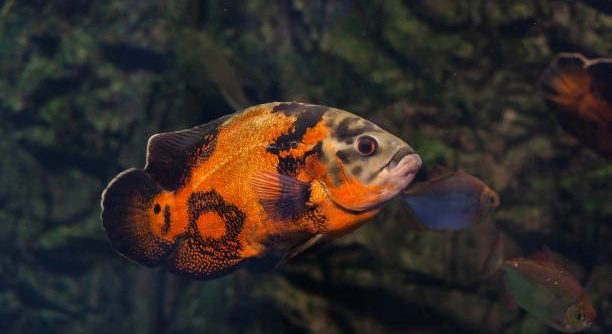
Oscar fish are known for their bold personalities, but if you notice your Oscar fish sulking, it could be a sign of underlying issues. Understanding the cause of this behavior can help improve their well-being.
Oscar fish may appear to sulk due to a variety of factors, including poor water conditions, inadequate diet, or stress. These fish are sensitive to changes in their environment, and addressing these issues can lead to improved behavior and overall health.
Identifying these triggers can ensure your Oscar fish’s long-term happiness and vitality.
Poor Water Conditions
Oscar fish are sensitive to changes in water quality. High levels of ammonia, nitrates, and nitrites can stress them out, leading to behavior like sulking. Additionally, inconsistent water temperature or incorrect pH levels can also cause discomfort. These factors may not be immediately noticeable but can have a significant impact over time. Regular water testing and maintenance are essential for keeping your fish healthy and active. Keeping their tank clean and ensuring proper filtration can go a long way in preventing water-related issues.
Water changes should be done weekly to maintain ideal conditions. A good filtration system helps remove waste and keeps toxins at bay. Without proper filtration, toxins can build up, affecting your fish’s health. Ensure the temperature stays consistent, as drastic fluctuations can cause stress. An ideal water temperature range for Oscar fish is typically between 74°F and 81°F.
Water quality plays a major role in your Oscar fish’s behavior. By monitoring the water parameters closely, you can create a more comfortable environment for them, encouraging a more active and healthy lifestyle.
Stress Factors
Stress can easily affect an Oscar fish’s behavior.
Oscar fish are easily stressed by overcrowding, sudden changes in their environment, or incompatible tank mates. Being territorial by nature, they may act aggressively toward others in the tank, leading to isolation and sulking. The size of the tank is also important. Oscars need plenty of space to swim comfortably, and a cramped environment can create unnecessary stress. If you add new fish, it’s crucial to ensure they’re compatible with your Oscar. Avoid introducing aggressive or too-small fish that could become targets for bullying.
In addition, frequent movements in the tank or noisy surroundings can contribute to a stressed environment. This is especially true if you are making changes to their space, like moving decorations or adding new objects. Sudden movements or disturbances may trigger anxiety, causing your Oscar to retreat to a corner of the tank. By minimizing disruptions, you can create a calm space for your fish to feel secure.
Keeping a consistent, peaceful environment is essential for their well-being. The less they are stressed, the more likely they are to show healthy, active behavior.
Inadequate Diet
Oscar fish need a well-balanced diet to thrive. A lack of essential nutrients can cause them to sulk and lose interest in their surroundings. They require a variety of proteins, vitamins, and minerals to stay healthy. Offering a mix of high-quality pellets, live foods, and occasional vegetables ensures they receive the nutrients they need.
Feeding your Oscar fish too much or too little can also cause problems. Overfeeding can lead to water quality issues, while underfeeding can lead to malnutrition. Aim to feed them small amounts twice a day, only offering as much as they can consume in a few minutes. Avoid feeding them exclusively one type of food to prevent nutrient deficiencies.
Occasionally, offering live foods like shrimp or feeder fish can stimulate their natural hunting instincts, preventing boredom. Remember that variety and balance are key to a healthy Oscar fish diet, helping them remain active and engaged.
Illness or Injury
Oscar fish are prone to various health issues, and illness or injury can cause them to act sluggish.
Signs of illness in Oscars can include abnormal swimming, loss of appetite, or hiding in corners. If your fish shows these signs, it’s important to check for common health problems like fungal infections, parasites, or internal issues. Using a quarantine tank for new arrivals can help prevent the spread of disease.
Injury can also lead to sulking behavior. Oscars may become territorial, and fights with tank mates or decorations can cause injuries. If your fish has visible wounds or scrapes, isolate it from the rest of the tank to prevent further harm. Offer extra care, including clean water and possible medication, to aid in the healing process.
Monitoring your fish’s behavior closely can help identify any early signs of illness or injury, allowing you to address the issue quickly and effectively.
Tank Size and Space
Oscar fish need a spacious environment to stay active. A tank that’s too small can lead to stress, causing them to sulk. The minimum recommended tank size for one Oscar is 55 gallons, with an additional 20 gallons for each additional fish.
Smaller tanks restrict movement, and Oscar fish may start displaying unusual behavior. Inadequate space can cause them to feel confined, leading to decreased activity levels. Providing ample swimming space allows them to feel secure and comfortable in their habitat. If possible, upgrade the tank size to give your fish more room to thrive.
A larger tank also makes it easier to maintain water quality, reducing the chances of health problems. A well-sized tank can positively impact your Oscar’s mood and behavior.
Overcrowding Issues
Too many fish in the tank can cause problems.
Overcrowding leads to competition for food, hiding spots, and space. Oscar fish, being territorial, may feel threatened and act aggressively toward other tank mates. This stress can result in sulking or hiding. It’s crucial to avoid cramming too many fish into one tank, especially with Oscars, as they require a lot of space. If your tank feels too crowded, consider removing some fish to give your Oscar more breathing room. Properly stocking your tank reduces stress, giving your Oscar a chance to swim freely and remain active.
Tank Mates Compatibility
Compatibility with tank mates is key for Oscar fish.
Oscar fish may sulk if they’re housed with aggressive or incompatible tank mates. While Oscars are known to be territorial, some fish may not be able to handle the aggressive nature of an Oscar. Always choose tank mates that are large enough to defend themselves. Smaller or less assertive fish can easily become targets, leading to stress and sulking behavior. Before adding new tank mates, research their compatibility with Oscar fish to ensure a peaceful environment. Properly matching fish will lead to fewer conflicts, creating a calm atmosphere for your Oscar to thrive.
FAQ
Why is my Oscar fish hiding all the time?
Oscar fish may hide due to stress, illness, or water quality issues. If the tank is too small, overcrowded, or not properly maintained, it can cause them to feel insecure, prompting them to seek out hiding spots. Also, changes in the environment, such as new tank mates or decorations, can cause them to retreat. In some cases, Oscar fish hide when they’re sick or injured. If your fish is consistently hiding, check the water parameters, observe for signs of illness, and ensure that the tank is large enough and properly stocked.
How can I tell if my Oscar fish is sick?
Oscar fish often show signs of illness through changes in behavior. If your fish becomes lethargic, refuses to eat, or shows abnormal swimming patterns, it could be sick. Other symptoms include white spots on the skin, inflamed fins, or clamped fins. If your fish is rubbing against objects or appears bloated, these could be signs of external parasites or internal issues. Infected Oscars may also have changes in their color or develop lesions. Immediate attention and quarantine may be necessary to prevent the spread of disease to other fish.
Is it normal for Oscar fish to fight?
Oscar fish are naturally territorial, and fighting is a common behavior, especially between males. In their natural environment, they defend their territory and resources, which can lead to aggression in captivity. If your Oscar is fighting with other tank mates, it’s likely due to territorial disputes. To reduce fighting, make sure the tank is large enough, and avoid housing multiple males together. If the aggression becomes too intense, consider separating them or rearranging tank decorations to break up their established territories.
What temperature is best for Oscar fish?
Oscar fish thrive in water temperatures between 74°F and 81°F (23°C to 27°C). Maintaining this temperature range is crucial for their health and activity. Temperatures outside this range can cause stress or even illness. Sudden temperature fluctuations can weaken their immune system, making them more susceptible to disease. A reliable aquarium heater is essential for keeping the water at a consistent temperature. Regular monitoring with a thermometer will help ensure the right conditions for your fish.
What is the best food for Oscar fish?
Oscar fish are carnivores, requiring a diet rich in protein. High-quality pellets, live foods like worms, shrimp, and feeder fish, and frozen foods like bloodworms and krill are all great options. Oscars can also be offered occasional vegetables such as peas or spinach, but their main diet should consist of protein-rich foods. It’s important to vary their diet to ensure they receive all the necessary nutrients. Overfeeding should be avoided, as it can lead to water quality issues and health problems. Feed them small portions twice a day, only offering what they can eat in a few minutes.
Why is my Oscar fish not eating?
If your Oscar fish isn’t eating, it could be due to stress, poor water quality, illness, or a sudden change in its environment. If the water temperature or pH levels are not within the ideal range, your Oscar may lose its appetite. If the fish is showing other signs of illness like lethargy or abnormal behavior, it’s important to address potential health problems. Sometimes, Oscar fish may stop eating temporarily due to a new tank or a change in their food type. Allow them time to adjust, but keep an eye on their overall behavior and health.
How often should I clean my Oscar fish tank?
Oscar fish require regular tank cleaning to maintain a healthy environment. Perform partial water changes of about 25% to 30% every week to keep the water quality stable. Remove any uneaten food, debris, and waste from the tank to prevent water contamination. Additionally, clean the tank’s decorations and filter media regularly to maintain proper filtration and water flow. Be sure to monitor the water parameters, including ammonia, nitrate, and nitrite levels, to ensure they remain within safe ranges. A clean tank will help keep your Oscar fish active and healthy.
Can I keep Oscar fish with other species?
Yes, Oscar fish can be kept with other species, but care must be taken when selecting tank mates. Oscars are territorial and can be aggressive, especially with smaller or more passive fish. Larger fish that can defend themselves or fast swimmers may coexist better with Oscars. Avoid keeping Oscars with species that are known to be fin-nippers or aggressive. It’s also important to ensure that all fish in the tank have enough space and that the tank is large enough to accommodate multiple species. Monitor their interactions closely to ensure peaceful coexistence.
How long do Oscar fish live?
Oscar fish can live up to 10 to 15 years with proper care. To ensure a long life, it’s crucial to maintain good water quality, provide a balanced diet, and keep them in an appropriately sized tank. Regular maintenance and attention to their environment will help prevent stress and illness, contributing to a longer lifespan. Genetics also play a role, so healthy Oscar fish from a reputable source may have a better chance of living a long, fulfilling life.
Final Thoughts
Oscar fish are captivating and dynamic creatures, but their behavior can sometimes be puzzling. When they begin to sulk, it’s important to pay attention to the factors that could be causing this change. Stress from poor water quality, inadequate tank size, or the presence of incompatible tank mates can all lead to these sudden shifts in behavior. By addressing these environmental factors and offering proper care, you can ensure your Oscar remains healthy and active.
Understanding the needs of your Oscar is key to providing the best possible environment. Regular tank maintenance, including water changes and careful monitoring of water parameters, will go a long way in preventing stress. Additionally, ensuring the tank is large enough for them to swim freely and offering a balanced diet will help keep their mood stable. A well-maintained and comfortable tank will reduce the chances of your Oscar fish sulking. It’s also essential to choose appropriate tank mates, as aggressive or territorial species may cause unnecessary stress.
Keeping an Oscar fish healthy and content requires time, attention, and a proper setup. Observing your fish closely and reacting to signs of distress is important for their well-being. If your Oscar’s behavior doesn’t improve after addressing common stressors, it may be a sign of illness or injury. In such cases, consulting with a professional or experienced aquarist can help provide more targeted solutions. By keeping their environment clean, their diet varied, and their tankmates compatible, your Oscar will have a better chance of thriving for many years to come.

Hello,
If you enjoy the content that we create, please consider saying a "Thank You!" by leaving a tip.
Every little bit helps us continue crafting quality advice that supports the health, happiness, and well-being of pets around the world, for pets of all shapes, sizes, and species.
We really appreciate the kindness and support that you show us!