
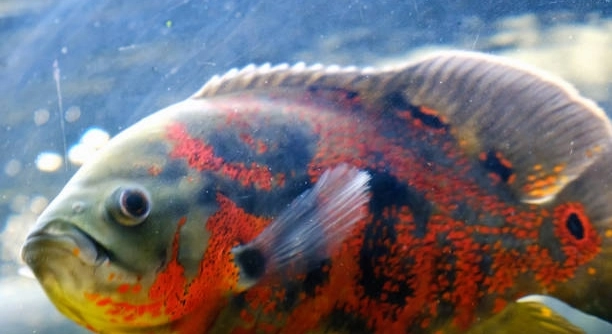
Have you ever noticed your Oscar fish acting strangely, especially when it starts rubbing against the plants in your tank? This behavior can seem odd at first, leaving you unsure if something is wrong.
Oscar fish often rub against plants due to skin irritation, parasites, or changes in water conditions. This action, known as flashing, is a common sign that something in their environment may be causing discomfort or stress.
Understanding the reasons behind this behavior can help you maintain a healthy aquarium and keep your Oscar fish comfortable and stress-free.
Possible Reasons Your Oscar Fish Is Rubbing Against Plants
Oscar fish rubbing against plants may be a sign of irritation or discomfort. This can be caused by parasites like ich, skin infections, or poor water quality. Flashing, which is the act of rubbing against objects, is a natural response to irritation. Sometimes, it may also be triggered by new items added to the tank or a sudden change in water temperature or pH. Oscars are sensitive to their environment, and even small shifts can stress them. It’s important to observe their overall behavior—if flashing is frequent and paired with other signs like loss of appetite or lethargy, it’s more than just a quirky habit. Inspect your tank setup, filtration system, and water parameters to make sure everything is stable. A quick test can tell you if your water conditions are within a safe range. Treating early signs helps prevent more serious issues.
Check for parasites first since they often cause the most discomfort. You might notice white spots, which can be an early sign of ich.
Stable water quality, gentle tank maintenance, and careful observation of behavior changes help prevent your Oscar from needing to rub against plants in the first place.
How to Respond and Keep Your Oscar Comfortable
Begin by testing the water. Look at ammonia, nitrite, and nitrate levels, as well as pH and temperature. Clean water is essential.
If flashing continues, consider treating the tank with a parasite remedy made for freshwater fish. Quarantine your Oscar if possible to avoid affecting other tankmates. Remove any sharp or rough decorations that may injure them while they’re rubbing. Also, check if any new items like driftwood or artificial plants were recently introduced—these can sometimes carry irritants or affect water chemistry. Use a gravel vacuum to clean debris, and avoid overfeeding, which contributes to poor water conditions. Regular weekly water changes can help maintain balance. You can also try adding aquarium salt in small doses, as this can relieve mild irritation and promote healing. Don’t skip daily checks—observe if the flashing decreases after your adjustments. If symptoms get worse or if other fish show similar behavior, it may be time to consult a vet experienced in aquatic animals. Staying consistent with your care routine keeps stress low and improves your Oscar’s overall health.
Common Environmental Triggers to Watch For
Poor water conditions are a major cause of skin irritation in Oscar fish. High ammonia or nitrite levels, sudden temperature drops, or unstable pH can all make your fish uncomfortable and lead to flashing behavior like rubbing against plants.
Filtration issues can quickly affect the tank environment. A dirty or clogged filter reduces water circulation and increases waste buildup. This makes the water less stable and can stress out your fish. If you haven’t cleaned or checked the filter in a while, start there. Make sure the flow isn’t too strong, either—Oscar fish prefer moderate movement. Use a reliable water test kit weekly to monitor levels and change 20-30% of the water if needed. Try to keep the tank at a consistent temperature between 74°F and 81°F. If your heater is unreliable or too small, replace it with one that suits your tank size for better stability.
Another possible issue is overcrowding. When too many fish share a space, the bio-load increases, and stress builds up quickly. Oscars are territorial, and they need enough room to establish their space. A tank that’s too small can also trap waste faster, creating a cycle of poor conditions. Aim for at least 55 gallons for one adult Oscar, and more for multiple fish. Watch for aggression between tankmates as well. Constant fighting or chasing can raise stress levels and lead to abnormal behavior. Use dividers or rehome incompatible fish if needed. Keeping things calm and spacious helps reduce rubbing behavior and encourages better health.
When Rubbing Is Nothing to Worry About
Occasional rubbing without other symptoms can be normal. Oscar fish sometimes flash to shed old skin or remove minor debris. If they’re eating well, swimming normally, and showing no other signs of stress, it’s usually not a big concern.
A single rub now and then doesn’t mean there’s a serious problem. Fish may react briefly to something in the water like floating particles or a temporary shift in conditions. If it doesn’t become frequent or intense, and they return to normal behavior quickly, there’s likely nothing to fix.
Signs That Point to a Health Issue
If rubbing becomes frequent and is paired with rapid breathing, white spots, fin clamping, or changes in appetite, it may signal a health issue. Parasites like ich or skin flukes are common in freshwater tanks and can cause this behavior. A skin infection or poor water conditions can also lead to irritation. When symptoms appear together, take action quickly. Start by testing the water and performing a partial change. If the behavior continues, look into parasite treatments or consult a vet. Early care helps prevent more serious conditions and keeps your Oscar stable and healthy in the long run.
What Not to Do
Avoid adding medication without identifying the issue. Random treatments can stress your Oscar and harm the tank’s balance.
FAQ
Why is my Oscar fish rubbing against the plants?
Oscar fish rub against plants primarily due to skin irritation, parasites, or poor water quality. This behavior, known as flashing, is a response to discomfort, often triggered by parasites like ich, water temperature changes, or unclean conditions. It’s important to check the tank’s water parameters and look for any visible signs of infection. If this behavior persists or worsens, it’s a good idea to treat for parasites or improve water quality.
How can I tell if my Oscar fish has a parasite?
Look for white spots on their skin, which are a common sign of ich. You might also notice rapid breathing, excessive rubbing, or loss of appetite. Infected Oscars often become lethargic and might scratch against objects more frequently. If you suspect a parasite, act quickly by isolating the fish and starting treatment with a proper anti-parasitic medication.
What water conditions are ideal for an Oscar fish?
Oscar fish thrive in water that’s slightly acidic to neutral, with a pH level between 6.5 and 7.5. The water temperature should be kept between 74°F and 81°F. Ammonia and nitrite levels should always be zero, and nitrate levels should be kept under 20 ppm. Regular water changes (20-30%) every week can help maintain these levels. Use a reliable filtration system to keep the water clean and oxygenated, as Oscars are sensitive to poor water quality.
Can a dirty tank cause my Oscar to rub against the plants?
Yes, poor water quality due to a dirty tank can cause irritation and stress, leading your Oscar to rub against plants. Ammonia, nitrites, and excess organic waste in the water can irritate their skin and gills. Regular maintenance, including cleaning the tank, changing the water, and checking filtration, is crucial for a healthy environment.
Should I be concerned if my Oscar rubs against the plants only occasionally?
Occasional rubbing may not be a cause for concern. Fish sometimes flash to remove debris or shed skin. If your Oscar is eating well and doesn’t show other signs of distress, occasional rubbing is typically normal. However, if the behavior becomes more frequent or is accompanied by other symptoms, it’s a good idea to check water quality and overall tank conditions.
Can I use aquarium salt to treat my Oscar fish’s rubbing?
Aquarium salt can sometimes help relieve mild irritation, as it may promote mucus production and soothe the skin. However, it should be used cautiously. Too much salt can stress fish, especially in sensitive species like Oscars. If your fish is rubbing against plants frequently, start with water quality tests and consider consulting a vet for targeted treatments before using salt.
How often should I clean my Oscar’s tank?
Oscar tanks should be cleaned regularly to avoid the buildup of harmful substances. Perform weekly water changes of 20-30%. Use a gravel vacuum to remove debris and check the filter for any clogs or buildup. Regular cleaning helps maintain stable water conditions, which are vital for the health of your Oscar fish.
Can other fish in the tank cause my Oscar to rub against the plants?
Yes, territorial fish or aggressive tankmates can cause stress, leading your Oscar to rub against plants. If other fish are constantly chasing or nipping at your Oscar, this can lead to anxiety and the flashing behavior. Ensure that all tankmates are compatible and that your Oscar has enough space. Adding hiding spots and rearranging the tank may also help reduce aggression.
What are the signs of an overfed Oscar?
Overfeeding can lead to poor water quality and stress for your Oscar. Signs of overfeeding include leftover food in the tank, water cloudiness, and rapid waste buildup. If your Oscar is becoming lethargic, bloated, or showing signs of constipation, it’s likely due to overfeeding. Ensure you’re feeding your Oscar the correct amount and avoid excess food.
Should I quarantine my Oscar if it’s rubbing against the plants?
If your Oscar is rubbing against the plants and showing signs of illness, quarantining it can help prevent the spread of parasites or infection to other tankmates. A quarantine tank provides a controlled environment to treat your fish without affecting the rest of your aquarium. It’s important to monitor your Oscar closely during this time and perform any necessary treatments.
Is it okay to add new plants if my Oscar is rubbing against them?
Adding new plants to your tank may introduce contaminants that could irritate your Oscar’s skin. It’s a good idea to quarantine new plants before adding them to your main tank to avoid introducing unwanted bacteria or parasites. Always inspect new plants for pests and ensure they are clean before placing them in the tank.
What should I do if my Oscar stops eating?
If your Oscar stops eating, it could be a sign of stress, illness, or poor water quality. Check the water parameters first to ensure they’re within the appropriate range. If the water quality is fine, observe your fish for other symptoms of illness. If there’s no improvement, consider consulting a vet who specializes in aquatic species. Don’t wait too long, as prolonged loss of appetite can lead to further health problems.
Can overstocking cause my Oscar to rub against plants?
Yes, overcrowding in the tank can cause stress, which may lead your Oscar to rub against plants. When there are too many fish in the tank, it can increase the bio-load, leading to poor water quality and territorial issues. Make sure your Oscar has enough space to swim freely, and avoid overstocking. If needed, consider upgrading to a larger tank or rehoming any incompatible fish.
Final Thoughts
Oscar fish rubbing against plants can be a sign of a variety of things, ranging from simple behavior to health concerns. While occasional rubbing is usually not alarming, consistent or excessive rubbing should not be ignored. It could indicate that your fish is dealing with skin irritation, parasites, or water quality issues. Keeping an eye on their behavior and appearance is key to identifying the problem early and preventing it from worsening. Regular maintenance, such as testing the water and performing routine tank cleanings, helps create an environment that minimizes these kinds of issues.
Water quality plays a significant role in the overall health of your Oscar. If you notice your fish rubbing against plants more often, it’s important to check parameters like pH, ammonia, nitrites, and nitrates. Maintaining proper water conditions can prevent many potential issues that lead to skin irritation. It’s also essential to consider tank mates and the overall stress level in the environment. Aggressive or territorial fish can cause your Oscar to act out in response. Therefore, understanding the needs of your fish and making adjustments accordingly is crucial for their well-being.
Taking action early can prevent serious health issues down the road. If the rubbing behavior persists or is accompanied by other signs like loss of appetite, rapid breathing, or changes in coloration, it’s time to take further steps. Isolating the fish, treating for parasites, or consulting with an aquatic vet may be necessary. In some cases, changing the diet or adding supplements could help improve the fish’s condition. The key is to stay proactive and attentive to your Oscar’s needs, ensuring a healthy and thriving tank for your fish.

Hello,
If you enjoy the content that we create, please consider saying a "Thank You!" by leaving a tip.
Every little bit helps us continue crafting quality advice that supports the health, happiness, and well-being of pets around the world, for pets of all shapes, sizes, and species.
We really appreciate the kindness and support that you show us!