
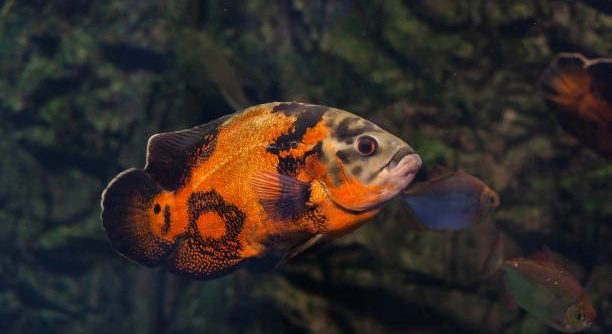
Oscar fish are fascinating creatures that can sometimes exhibit unusual behavior, especially when it comes to feeding time. Observing them can raise questions, particularly when they perform unexpected flips or acrobatic movements during meals.
The flipping behavior in Oscar fish is often a response to excitement or aggression when food is introduced. It may also be linked to territorial instincts or stress from their environment. These fish are known to be energetic and curious, especially around feeding.
Understanding why your Oscar fish flips can help improve their well-being and make feeding time more enjoyable. Keep reading to discover what might be causing this behavior and how to address it.
Why Do Oscar Fish Get So Excited During Feeding?
Oscar fish can be very lively, especially when food is introduced into their tank. Their natural behavior can make them seem aggressive or overly excited. When they flip or dart around, it’s often a sign of their excitement. These fish are opportunistic feeders, meaning they get highly stimulated when they spot food. This feeding response is very common in the wild as they need to act fast to catch prey. Their flips or sudden movements are their way of showing eagerness and energy, even though it may appear extreme at times.
Oscar fish are known to be territorial, so their flipping could also be a response to their space being invaded by food. In smaller tanks or crowded environments, they might feel threatened or overwhelmed, causing them to react in an agitated manner. In this case, they are not necessarily trying to be aggressive, but rather defending their territory. These behaviors could also be seen in younger fish as they adjust to the environment.
Understanding the cause of this excitement is important to keep your fish healthy. It can also help prevent stress, which can be harmful to Oscar fish in the long run.
What Could Be Triggering the Flips?
Oscar fish are highly sensitive to their surroundings. Changes in lighting, tank layout, or water conditions can increase their stress levels, leading to unexpected behaviors like flipping. These fish can interpret minor disruptions as a threat, triggering an aggressive or excited response.
Proper tank care is essential for minimizing these stress triggers. Ensuring that water quality remains stable, temperature levels are ideal, and the tank has enough hiding spots can create a more secure environment for the Oscar fish. Additionally, keeping the feeding schedule consistent can reduce anxiety during meal times, allowing your fish to feel more comfortable. When stress is minimized, flipping behavior can decrease, leading to a calmer feeding experience. By paying attention to these factors, you help your Oscar fish thrive and prevent unnecessary stress.
Possible Health Concerns Behind Flipping
Flipping behavior in Oscar fish can also be linked to health problems. If a fish is feeling unwell, it might behave erratically, including flipping or darting around. Issues like parasites or infections can cause discomfort, leading to such abnormal movements.
If your Oscar fish continues to flip after meals or shows signs of lethargy or poor appetite, it’s a good idea to check for any signs of illness. Look for visible symptoms like unusual spots, swollen fins, or odd swimming patterns. Infected fish may also scratch against objects in the tank, which can be another indicator of distress. Taking steps to diagnose and treat any potential health problems early can prevent further complications.
It’s essential to keep the tank clean and maintain a good water quality level. Poor water conditions can also contribute to stress or illness, making your fish more vulnerable to flipping and other symptoms. Regular tank maintenance, including water changes, can help keep your Oscar fish healthy.
How to Reduce Stress for Your Oscar Fish
To reduce flipping, focus on creating a calm environment. Avoid sudden movements around the tank, as this can scare your Oscar fish and trigger more flipping behavior. Keeping the tank lights consistent and dimming them before feeding can help the fish feel more secure.
Adding natural decor like plants or rocks can also give your Oscar fish places to hide, reducing stress. Make sure the tank isn’t overcrowded, as this can cause territorial issues. If you’re introducing new tank mates, do so slowly to allow your fish to adjust. A calm environment encourages better feeding habits and helps reduce the intensity of flipping.
Feeding Habits and Frequency
Oscar fish are known for their hearty appetite and fast feeding style. Their flipping behavior can sometimes be a result of their feeding frenzy. They tend to get overly excited when food is introduced, which can lead to sudden flips.
Feeding your Oscar fish multiple smaller meals throughout the day instead of one large one may help manage their excitement. It can prevent them from getting overly hungry and reduce their sudden bursts of energy. Be mindful of portion sizes to avoid overfeeding, which can lead to poor water quality and more stress.
Tank Size and Space
Oscar fish need plenty of space to swim. A cramped environment can contribute to their flipping behavior as they try to establish territory. A tank that is too small can lead to anxiety and aggression.
To provide the best living conditions, aim for a tank size of at least 75 gallons. This gives them enough room to move freely without feeling threatened by their own environment. A spacious tank can reduce stress and make them feel more secure, minimizing flipping or erratic movements.
Interaction with Other Fish
Oscar fish can be territorial, and their flipping behavior may become more intense if they feel their space is invaded. When sharing a tank with other fish, it’s important to monitor their interactions.
Introducing aggressive or fast-moving species into the tank can stress your Oscar, triggering flipping behavior. It’s best to pair them with peaceful tank mates that won’t disrupt their sense of safety. If there’s tension with other fish, consider adjusting the tank setup or removing incompatible species.
FAQ
Why does my Oscar fish flip when I feed it?
Oscar fish tend to flip when fed due to excitement or a feeding frenzy. These fish are opportunistic feeders and react quickly when food is introduced. Their flipping could be a natural response to their hunger or a display of territorial behavior, especially if they feel their space is being invaded. In the wild, they need to act fast to catch prey, which may explain their energetic reaction to food in a tank environment.
Is it normal for an Oscar fish to flip around during feeding?
Yes, it is fairly common for Oscar fish to exhibit flipping behavior during feeding. They are highly active and tend to become excited when food is present. This behavior is not usually a cause for concern as long as it doesn’t seem extreme or continuous. However, if your fish’s flipping is excessive or paired with other signs of distress, it may indicate an underlying issue.
Can flipping behavior be caused by stress?
Yes, stress can contribute to flipping behavior in Oscar fish. Factors such as poor water quality, overcrowded tanks, or changes in the environment can cause stress, leading to erratic movements like flipping. Keeping the tank clean, providing adequate space, and maintaining a stable environment can help reduce stress and, in turn, the flipping behavior.
Should I be worried if my Oscar fish flips constantly?
Constant flipping could indicate that something is wrong with your Oscar fish, especially if it is accompanied by signs of illness like loss of appetite, lethargy, or unusual behavior outside of feeding times. Stress, poor water quality, or health issues like parasites or infections could be contributing factors. It’s essential to observe your fish closely and take action if other symptoms appear.
How often should I feed my Oscar fish to reduce flipping?
Feeding your Oscar fish smaller meals more frequently throughout the day can help reduce flipping. Instead of one large meal, provide two or three smaller portions. This can help curb excessive excitement and prevent the fish from becoming too hungry, which could lead to more extreme flipping behavior. Avoid overfeeding, as it can lead to poor water quality and other health issues.
Could the tank size affect my Oscar fish’s flipping behavior?
Yes, the size of the tank plays a significant role in the behavior of Oscar fish. If the tank is too small, your Oscar may feel cramped and stressed, causing it to react with erratic movements like flipping. A larger tank provides more space to swim freely, reducing anxiety and minimizing aggressive or excited behavior. A tank of at least 75 gallons is recommended for an Oscar fish, and more space is always better.
Does adding other fish to the tank affect my Oscar’s behavior?
Yes, adding other fish can influence your Oscar fish’s flipping behavior. Oscars are territorial and may react aggressively if other fish invade their space. If the new fish are too large, fast-moving, or aggressive, it could stress your Oscar and cause flipping behavior. It’s important to choose tank mates carefully, ensuring they are compatible in size and temperament. Peaceful species work best with Oscars.
How do I know if my Oscar fish is sick or just excited?
If your Oscar flips only during feeding, it is most likely a sign of excitement or territorial behavior. However, if flipping happens outside of feeding times or is combined with other signs of illness like loss of appetite, abnormal swimming, or visible spots on the body, it could be a sign of sickness. Check for symptoms of common fish diseases like parasites or fin rot. If you suspect illness, consulting a vet or an experienced aquarist is recommended.
Can I stop my Oscar fish from flipping?
While you can’t completely stop your Oscar from flipping during feeding, there are ways to manage it. Providing a larger tank, reducing stress factors like overcrowding or poor water quality, and maintaining a consistent feeding routine can help minimize flipping. Using more calm and predictable movements around the tank can also help reduce excitement and make feeding time less chaotic.
Does water temperature affect flipping behavior?
Yes, water temperature can influence your Oscar’s behavior. Oscars are tropical fish and thrive in water temperatures between 75°F and 80°F (24°C to 27°C). If the water is too cold or too hot, it can stress the fish, leading to erratic behavior such as flipping. Regularly check the water temperature to ensure it stays within the ideal range for your Oscar fish’s health and comfort.
Can flipping be a sign of aggression toward other fish?
Flipping behavior can be a sign of aggression, especially if your Oscar feels its territory is threatened by another fish. They may flip or swim erratically to assert dominance. This is more common in smaller tanks where the Oscar fish might feel crowded or territorial. If aggression is a concern, consider rearranging the tank or separating aggressive fish to reduce conflict.
Final Thoughts
Oscar fish are known for their active and energetic nature, and flipping during feeding is a common behavior. While it might look a bit extreme or unusual, it’s usually just a sign of excitement or territorial instincts. These fish are naturally curious and opportunistic feeders, so their behavior is often a response to the presence of food. However, if the flipping becomes excessive or is paired with other signs of stress or illness, it’s important to pay attention and assess the tank environment.
Managing your Oscar’s flipping behavior largely involves reducing stress factors and providing a suitable environment. Maintaining clean water, ensuring the tank is large enough, and keeping the tank free from overcrowding are all essential steps. Stress can often be triggered by poor water quality, aggressive tank mates, or a lack of space, leading to behaviors like flipping. By making sure your Oscar has plenty of room to swim and feels secure in its environment, the likelihood of this behavior becoming a constant issue can be reduced.
Ultimately, understanding your Oscar’s behavior and what triggers the flipping will help you create a more comfortable and healthier environment for the fish. Small adjustments in feeding routines, tank setup, and keeping a consistent water quality can make a big difference. If flipping persists or other health issues arise, seeking advice from an experienced aquarist or vet is always a good idea. With the right care and attention, your Oscar will thrive, and the flipping behavior will become a less frequent occurrence.

Hello,
If you enjoy the content that we create, please consider saying a "Thank You!" by leaving a tip.
Every little bit helps us continue crafting quality advice that supports the health, happiness, and well-being of pets around the world, for pets of all shapes, sizes, and species.
We really appreciate the kindness and support that you show us!