
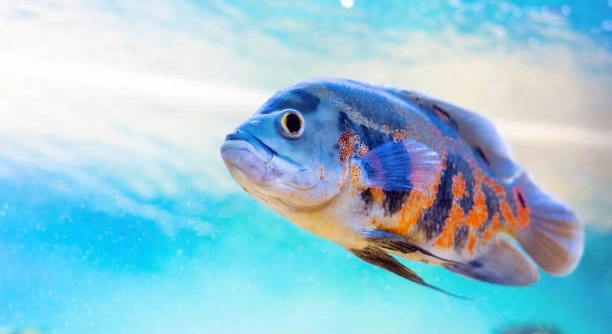
Do you ever find yourself watching your Oscar fish flick its tail rapidly and wondering what could be causing the sudden movement?
The most common reason Oscar fish flick their tails rapidly is due to stress or irritation, often caused by poor water quality, parasites, or sudden changes in their environment. This behavior is a physical response to discomfort.
Understanding why your Oscar fish behaves this way can help you make changes to its environment and improve its well-being.
Common Reasons for Tail Flicking in Oscar Fish
Oscar fish may flick their tails rapidly when something in their environment feels off. This movement is often a sign of irritation, which could be due to poor water quality, such as high ammonia or nitrite levels. Sudden changes in temperature, pH, or even lighting can also cause this behavior. Sometimes, parasites like flukes or ich can make your fish uncomfortable, leading to twitching or tail flicks. Aggression from tank mates or even a cramped tank setup may also stress your Oscar. It’s important to consider all these factors and observe other signs like rubbing against objects, loss of appetite, or unusual swimming. Paying attention to these details will help you figure out what’s going wrong. Regular maintenance and careful monitoring of water conditions can often fix the issue. Don’t ignore repeated flicking—it’s usually your fish’s way of showing something isn’t quite right in its home.
Tail flicking can also happen during feeding or excitement, but this is usually brief and not a concern.
If your Oscar continues this behavior for long periods, it may be dealing with something more serious. Checking water parameters with a test kit and observing tank mates closely can help you get answers.
How to Help Your Oscar Feel Better
Start by checking the basics. Test the water for ammonia, nitrites, and nitrates. A sudden spike in any of these can make your Oscar uncomfortable and cause tail flicking. Also, make sure the water temperature stays between 74°F and 81°F. If your Oscar is new to the tank, tail flicking might be a reaction to stress from relocation or adapting to new surroundings. Observe how it behaves around other fish—if there’s bullying or crowding, consider separating them. Clean the tank regularly and avoid sudden water changes, which can throw off the balance. If parasites are suspected, medications are available at most pet stores, but make sure to diagnose properly before using any treatment. A calm and steady environment is key. Once you make changes, watch closely. If tail flicking slows or stops, you’re on the right track. Keeping your Oscar healthy means staying consistent with care and being alert to changes.
Signs That Your Oscar Fish Is Stressed or Irritated
Aside from tail flicking, you might notice your Oscar swimming erratically, hiding more often, or refusing food. These changes in behavior usually mean something is wrong in the tank environment or with the fish itself.
If your Oscar starts rubbing its body against tank decorations or the substrate, it may be trying to scratch an itch caused by parasites or irritation. Faded colors, clamped fins, or constant hiding are also common stress indicators. Aggression can increase too, even toward normally tolerated tank mates. Sometimes, stress shows through quick breathing or hanging near the surface, which might point to low oxygen levels. Pay attention to these small signs—they help you respond early. Ignoring them could lead to worsening health or disease. When several of these symptoms appear together, it’s important to act quickly to improve conditions in the tank.
Oscars are sensitive to change, and even small shifts in water quality or environment can upset them. Frequent testing and slow adjustments can prevent unnecessary stress. Watch for shifts in mood, posture, and interaction with their surroundings. Unusual aggression or passivity both suggest discomfort. A balanced tank setup, proper diet, and routine care go a long way in keeping behavior normal and stress levels low. These fish thrive with consistency.
When to Be Concerned About Health Issues
Tail flicking that lasts for several days, especially when paired with other unusual behaviors, can mean there’s a deeper issue going on. This is especially true if your Oscar also shows signs like weight loss or visible marks on the skin.
If you suspect a parasite or bacterial infection, it’s best to act fast but carefully. Look for other symptoms such as white spots (indicative of ich), fuzzy patches (possibly fungus), or inflamed gills. In those cases, proper medication is necessary—but always follow instructions and avoid overdosing. You should also isolate the fish if others show symptoms to prevent spreading illness. Clean the tank thoroughly and remove uneaten food. Health problems often stem from poor water conditions, so test regularly and maintain a consistent cleaning schedule. If things don’t improve after a few days, it may be time to reach out to an aquatic vet or experienced fish keeper for guidance.
Environmental Factors to Monitor
Sudden tail flicking is often triggered by changes in water temperature, pH, or lighting. Even small shifts can cause stress. Use a thermometer and test kit regularly to keep these levels stable and within the ideal range for Oscars.
A tank that is too small or overcrowded can also lead to irritation. Oscars need plenty of space to swim and establish territory. Overcrowding increases stress, aggression, and the spread of disease. Make sure the tank is at least 55 gallons for one adult Oscar.
Importance of Consistent Maintenance
Keeping your Oscar’s tank clean and stable is one of the most effective ways to prevent tail flicking. Weekly partial water changes help remove waste and keep nitrate levels in check. Avoid changing too much water at once, as that can shock your fish. Clean the filter regularly but never all parts at once, or you risk removing beneficial bacteria. Always condition tap water before adding it to the tank. Watch for leftover food or algae build-up, as both can impact water quality over time. A well-maintained tank creates a calm and healthy space for your Oscar to thrive.
Behavior That’s Normal
Tail flicking during feeding or excitement is completely normal. If it happens occasionally and your Oscar is active, eating, and looks healthy, there’s likely no need to worry.
FAQ
Is tail flicking always a bad sign?
No, not always. Sometimes, Oscars flick their tails when they’re excited—like during feeding or when exploring something new in the tank. These movements are usually quick and short-lived. If your Oscar returns to normal behavior afterward and shows no signs of stress, it’s likely nothing to worry about. However, if tail flicking happens often or for long periods, it’s usually a sign something in the environment isn’t right. In those cases, you’ll want to take a closer look at water quality, tank conditions, and the fish’s overall health.
Can tail flicking be caused by parasites?
Yes, it can. External parasites like flukes or ich often make fish flick their tails, rub their bodies, or twitch. These parasites irritate the skin and gills, making your Oscar uncomfortable. You might also see white spots, rapid breathing, or scratching on tank decorations. If you suspect parasites, isolate the fish if needed and use an appropriate medication. Always follow product instructions and test water regularly during treatment. Improving water quality during this time is just as important, as stress from bad water makes fish more vulnerable to infections.
How do I test water conditions in my Oscar’s tank?
Use an aquarium water test kit that checks for ammonia, nitrites, nitrates, and pH. These kits are simple to use and give results quickly. Liquid kits tend to be more accurate than strips. Check water temperature with a reliable tank thermometer and aim to test conditions weekly. If you’re dealing with ongoing issues like tail flicking or strange behavior, test more often. Writing down results helps you track patterns over time. If levels are too high or too low, make gradual changes. Sudden shifts in pH or temperature can cause more harm than good.
How big should my tank be for one Oscar fish?
At minimum, one adult Oscar needs a 55-gallon tank. These fish grow fast and get quite large, sometimes up to 12 inches. A smaller tank makes it hard to keep the water clean and gives the fish very little room to swim. Cramped conditions can lead to aggression, illness, and stress behaviors like tail flicking. If you plan to keep more than one Oscar or other large fish with it, you’ll need a tank that’s at least 75 gallons or more. Always factor in tank mates when planning your setup.
Can diet affect my Oscar’s behavior?
Yes. Poor nutrition can lead to health problems, low energy, and stress, all of which may show in how your Oscar behaves. Feed a balanced diet that includes high-quality pellets, occasional live or frozen food, and some plant-based options. Avoid overfeeding, which can pollute the water and make your fish feel sluggish or uncomfortable. If your Oscar seems hyperactive, twitchy, or more aggressive after feeding, you might be giving too much protein or too often. Watch for changes and adjust the feeding routine as needed.
How can I tell if my Oscar is sick or just stressed?
Stress and illness can look similar. Signs like tail flicking, color loss, hiding, or not eating could point to either. Illness often comes with extra symptoms—like sores, white spots, cloudy eyes, or strange swimming patterns. If your Oscar looks physically healthy but acts off, start with a water test. Most stress issues are linked to water quality or poor tank conditions. If the water checks out and the behavior continues or worsens, there could be a health issue at play. When unsure, it’s better to act early than wait.
Do Oscars get along with other fish?
They can, but it depends. Oscars are territorial and can become aggressive, especially in smaller tanks. Tank mates should be similarly sized and non-aggressive. Avoid small or slow-moving fish—they might get chased or eaten. Also, never overcrowd the tank. Even peaceful Oscars may become territorial if space is tight. Watch their interactions and be ready to separate fish if fighting becomes a problem. Tail flicking in response to tank mate aggression is common, so creating a peaceful setup can reduce stress and unwanted behaviors.
Final Thoughts
Watching your Oscar fish flick its tail can be confusing at first, especially if you’re not sure what it means. While this behavior might seem small, it’s often a sign that something is changing in the tank. Sometimes it’s as simple as your Oscar being excited or reacting to a small shift in its environment. Other times, it can mean your fish is stressed or irritated. This is why paying attention to other behaviors and checking the tank’s condition is so important. The more you observe your fish and get used to its habits, the easier it becomes to notice when something isn’t right.
Keeping your Oscar fish happy and healthy mostly comes down to staying consistent. Clean water, proper temperature, and a tank with enough space all help reduce stress and prevent unwanted behaviors like constant tail flicking. Feeding a balanced diet and avoiding overcrowding also make a big difference. While it’s normal for Oscars to have their own personalities and sometimes act out, tail flicking that happens too often or along with other odd behaviors should never be ignored. Taking simple steps early—like testing the water or adjusting tank conditions—can prevent bigger problems later.
In the end, being a good fish keeper means staying aware and acting with care. Oscars are strong, smart fish, but they still rely on us to give them a stable, safe home. If you notice tail flicking, take it as a helpful sign rather than a reason to panic. Most of the time, the cause is something that can be fixed with a little effort and attention. By staying on top of their care and learning what’s normal for your fish, you’ll be better prepared to handle any issues that come up. It’s all about building good habits and understanding what your Oscar needs to feel comfortable and secure in its space.

Hello,
If you enjoy the content that we create, please consider saying a "Thank You!" by leaving a tip.
Every little bit helps us continue crafting quality advice that supports the health, happiness, and well-being of pets around the world, for pets of all shapes, sizes, and species.
We really appreciate the kindness and support that you show us!