
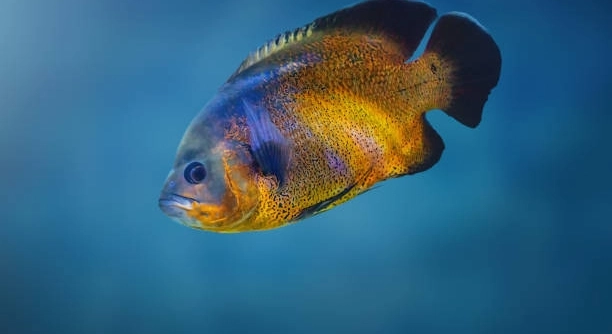
Oscar fish are known for their vibrant personalities, but at times, they may appear less energetic or “depressed.” This shift in behavior can be concerning for owners, and understanding the cause is key to ensuring their well-being.
Oscar fish may appear depressed due to a variety of factors, including poor water quality, stress from environmental changes, or health issues such as parasites or infections. These factors can cause them to act lethargic or avoid eating.
Identifying the exact cause of this behavior will help improve their environment and overall health. Knowing how to respond can ensure your fish thrive and remain active.
Water Quality and Its Impact
One of the most common reasons why an Oscar fish appears depressed is poor water quality. These fish are sensitive to their environment, and water that is too dirty, too warm, or too cold can cause stress. If your fish isn’t swimming around or eating much, it could be a sign of water issues. Oscar fish require clean, well-filtered water to stay healthy, and poor conditions can affect their mood and behavior.
To improve water quality, ensure your tank is properly filtered and do regular water changes. Keep the water temperature between 74 and 81°F (23 to 27°C). Make sure pH levels are around 6 to 8. A simple test kit can help you monitor these conditions easily.
By maintaining optimal water conditions, your Oscar fish will feel more comfortable and less stressed. Healthy water conditions are a key factor in keeping your Oscar active and happy. If these changes don’t help, it’s important to consider other factors that might be affecting your fish.
Stress and Environmental Changes
Stress can have a huge impact on your Oscar fish. Even slight changes in their environment can trigger feelings of insecurity. Moving their tank, adding new fish, or changing decorations can all lead to stress.
Oscar fish are territorial and may not handle changes well. They may appear depressed or retreat to a corner of the tank, avoiding interaction.
If you’ve recently introduced a new fish or changed their tank layout, the stress might be the reason for their lack of activity. Giving them time to adjust can help, but it’s important to be patient. If the stress persists, consider placing the fish in a quieter, less crowded tank to reduce anxiety.
Health Issues
Health problems are another reason why your Oscar fish may appear depressed. Common issues like internal parasites, infections, or fin rot can affect their behavior. When a fish is unwell, it may swim less, hide more, or stop eating.
A lack of appetite or unusual swimming patterns are key signs that something is wrong. You should keep an eye on their fins and skin for any visible changes, like redness, lesions, or abnormal spots. If you notice these signs, it’s time to isolate the fish in a quarantine tank and seek treatment.
Taking action early can prevent serious health issues from getting worse. It’s important to treat any signs of infection promptly. Regular health checks and keeping the tank clean can help prevent illnesses. If problems persist, consulting a vet with experience in fish care is crucial to ensure your Oscar gets the right treatment.
Overfeeding and Water Pollution
Overfeeding is a common mistake that can lead to water pollution and health issues for your fish. When you feed your Oscar too much, excess food breaks down in the water, raising ammonia levels. This can quickly lead to poor water quality, which in turn stresses your fish.
Oscar fish do not need to be fed large amounts. Overfeeding can result in uneaten food polluting the water, creating an unhealthy environment. Stick to a feeding schedule and ensure you only provide as much food as your fish can eat in a few minutes.
The more food you put in the tank, the harder it is to maintain clean water. Overfeeding not only harms water quality but can also lead to obesity in your Oscar, which affects their overall health. Keep an eye on how much food is left after feeding, and adjust accordingly.
Tank Size and Space
Oscar fish need ample space to thrive. A small tank can cause stress and lead to behavior changes, like appearing depressed. They are active fish and require room to swim and explore.
If your Oscar’s tank is too small, they might feel trapped. This can make them act lethargic or aggressive. Ensure your tank is at least 75 gallons, especially if you have more than one Oscar.
A larger tank allows the fish to move freely and reduces stress. Proper space will help maintain a calm environment, and your fish will be more likely to exhibit normal, healthy behavior.
Tank Mates
Oscar fish can become stressed if housed with incompatible tank mates. They are aggressive and territorial, so adding peaceful or smaller fish can cause them to feel threatened.
Before introducing new fish, consider their temperament and size. Oscars do better with fish that are similar in size and have similar activity levels.
If you notice your Oscar becoming more withdrawn or aggressive after adding tank mates, they may not be the right match. It’s important to monitor interactions and separate them if needed.
Lighting and Photoperiod
Lighting plays a role in the well-being of your Oscar fish. Too much or too little light can disrupt their natural rhythm and cause stress.
Oscars need a consistent day and night cycle. A light that’s too bright or left on for too long can cause them to become disoriented. Keep lights on for 10-12 hours a day to mimic natural conditions.
Avoid sudden changes in lighting, as they can stress your Oscar. Adjusting the lighting gradually can help them feel more comfortable. The right lighting helps regulate their behavior and keeps them healthy.
FAQ
Why is my Oscar fish hiding all the time?
Hiding is often a sign of stress or illness in Oscar fish. If your fish is constantly hiding, it could be due to poor water quality, an aggressive tank mate, or changes in its environment. Make sure the tank is clean and check if there’s any change in its surroundings, such as the addition of new fish or decorations. If the hiding continues despite a stable environment, consider checking for signs of illness, like parasites or fungal infections.
How can I tell if my Oscar fish is sick?
Oscar fish exhibit several signs when they’re unwell. If your fish is swimming erratically, has a loss of appetite, or appears lethargic, these could be signs of illness. You might also notice visible symptoms, such as discoloration, spots, or lesions on the skin or fins. If your fish is not eating or shows abnormal behavior, it’s a good idea to quarantine them and treat the tank with an appropriate medication. A visit to a vet specializing in fish may also be necessary if the symptoms persist.
What should I do if my Oscar isn’t eating?
If your Oscar fish stops eating, first check the water quality and temperature. Poor water conditions can cause fish to lose their appetite. Ensure that the water is clean, and that the temperature is within the appropriate range of 74-81°F (23-27°C). If water quality is not an issue, try offering different types of food, as Oscars can sometimes become picky. If this doesn’t work, check for any signs of illness. Lack of appetite is often a warning sign of something more serious.
Can Oscars live with other fish?
Oscar fish can live with other fish, but it depends on the temperament of both species. Oscars are territorial and may become aggressive toward smaller or slower-moving fish. It’s best to house Oscars with other large, fast-moving fish that can hold their own. Avoid keeping them with overly peaceful or tiny fish that may be stressed or eaten. You can also look for fish that have similar activity levels and swimming habits to prevent conflicts.
How often should I feed my Oscar fish?
Oscar fish should be fed once or twice a day. However, be cautious of overfeeding. Oscars are prone to obesity, so it’s important to feed them the right amount of food that they can consume in a few minutes. Typically, feed them a variety of food, such as pellets, live food, or frozen foods, to keep their diet balanced and interesting. Remove any uneaten food after a few minutes to prevent water contamination.
How do I keep the water clean for my Oscar fish?
Keeping the water clean for your Oscar fish is crucial for their health. Regular water changes, around 25-30% every week, can help maintain water quality. A good filtration system is essential to keep the tank clean and to remove debris, toxins, and waste products. Also, avoid overfeeding, as uneaten food can lead to pollution in the tank. Test the water regularly for ammonia, nitrites, and nitrates, and ensure the levels are safe for your fish.
What is the ideal tank size for an Oscar fish?
Oscar fish require a large tank due to their size and active nature. A 75-gallon tank is the minimum size recommended for one Oscar fish. If you plan to keep more than one, a 100-gallon tank or larger is necessary. Larger tanks provide more swimming space and help reduce territorial stress. Proper tank size is vital to ensure your Oscar remains healthy and active, as too small of a tank can cause stress and poor water quality.
Why is my Oscar fish swimming upside down?
If your Oscar is swimming upside down, this could indicate a serious health issue. A common cause is a swim bladder disorder, which affects the fish’s ability to control its buoyancy. This can result from a variety of issues, such as overfeeding, constipation, or a bacterial infection. If this behavior continues, it’s a good idea to reduce feeding and consult a vet who specializes in fish. Early treatment can help prevent long-term issues.
Can Oscars live with other Oscar fish?
Oscar fish can live with other Oscars, but they are territorial and may become aggressive, especially if there isn’t enough space. It’s best to have a large tank (100 gallons or more) if you want to keep multiple Oscars together. Even with enough space, they may fight or show aggression toward each other. To reduce aggression, you can try keeping Oscars of similar size and adding them to the tank at the same time, so they establish a territory together.
How do I prevent my Oscar from getting sick?
Preventing illness in your Oscar requires a few key steps. First, maintain proper water quality through regular water changes and a good filtration system. Feed your fish a balanced diet and avoid overfeeding. Keep the tank clean by removing uneaten food and waste. Lastly, avoid sudden changes in the tank environment, like new tank mates or dramatic water temperature shifts, as these can cause stress. Regularly check for signs of illness and address any issues early.
Why is my Oscar fish acting aggressive?
Oscar fish are naturally aggressive, especially when they feel their territory is being threatened. Aggression can occur if there are other fish in the tank that they view as competition or if they feel stressed. It’s important to ensure they have enough space and aren’t overcrowded. If aggression becomes a problem, separating the fish or adjusting the tank environment may help. Oscars may also show aggression due to poor water conditions, so always check the water quality.
Final Thoughts
Understanding why your Oscar fish might appear depressed is important for addressing the issue and ensuring their well-being. Oscars are strong and vibrant fish, but like any pet, they can experience stress and health problems. It’s crucial to look at all aspects of their environment, from water quality to tank mates, and even their feeding habits. If your Oscar is showing signs of depression, taking the time to evaluate these factors can help you pinpoint the cause and make the necessary changes. Sometimes, it’s a small adjustment, like improving water quality or providing a larger space, that can make a big difference.
Stress is a significant factor for Oscar fish, as they are sensitive to their surroundings. Changes in their environment, like moving the tank, introducing new fish, or adjusting the lighting, can all trigger stress. It’s important to make these changes slowly and observe how your fish reacts. Stress can lead to behavioral changes, including hiding, not eating, or becoming more aggressive. If you find your Oscar hiding or acting out of the ordinary, it’s worth considering how the environment might have changed recently. In many cases, giving them time to adjust or making their space feel safer can help them recover from stress.
Finally, health issues are a common reason why Oscars may appear depressed. Illnesses or parasites can cause a lack of energy, loss of appetite, and unusual swimming patterns. If you notice any signs of illness, such as changes in appearance or behavior, it’s important to act quickly. Quarantining the sick fish and treating the tank can help prevent the spread of illness to other fish. Keeping an eye on their health and ensuring they are in a clean and stable environment will go a long way in keeping your Oscar happy and healthy. Always remember, with some attention and care, your Oscar can bounce back from even the most concerning symptoms.

Hello,
If you enjoy the content that we create, please consider saying a "Thank You!" by leaving a tip.
Every little bit helps us continue crafting quality advice that supports the health, happiness, and well-being of pets around the world, for pets of all shapes, sizes, and species.
We really appreciate the kindness and support that you show us!