
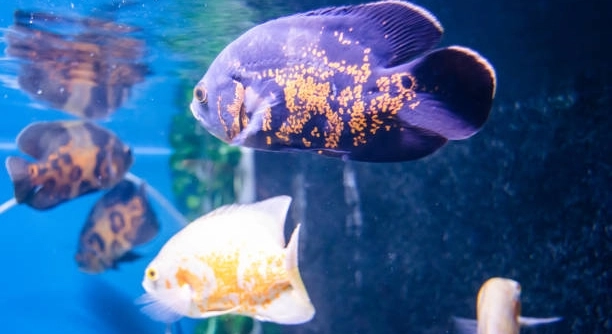
Oscar fish are popular for their beauty and unique behavior, often surprising their owners with their seemingly strange actions. One such behavior that can puzzle fish keepers is when an Oscar fish faces the back of its tank consistently.
This behavior is commonly linked to stress, environmental factors, or territorial instincts. Oscars may face the back as a way to seek comfort or avoid interaction with other fish. It could also indicate that they feel threatened or insecure.
Understanding why your Oscar fish behaves this way will help you improve their environment and ensure their well-being. Knowing the causes of this behavior can help you take the right steps to address any issues.
Possible Causes of Your Oscar Fish Facing the Back
Oscar fish are intelligent creatures, but their behavior can be puzzling at times. When they consistently face the back of the tank, it’s often a sign they’re trying to avoid something or that something is off in their environment. One of the first things to check is the water quality. Oscars are sensitive to changes in water conditions, and poor water quality can cause stress, leading them to seek a corner or the back of the tank. Ensure the pH, temperature, and ammonia levels are in a safe range to make sure they feel comfortable.
Water quality isn’t the only factor. Oscar fish are territorial and may display unusual behavior if they feel crowded or threatened by other fish in the tank. If you have multiple fish or larger tank mates, this might cause the Oscar to retreat. The stress from competition for food or space could lead to your Oscar seeking refuge in a less exposed part of the tank.
Oscar fish can also face the back of the tank when they’re sick or feeling unwell. If your fish is acting lethargic or avoiding interaction, it’s worth looking into potential health issues. Any sudden changes in behavior, like facing the back, can indicate an underlying problem such as parasites, infections, or internal issues. Keeping a close eye on their eating habits and activity levels can provide more clues about their health.
How to Improve Their Environment
Improving your Oscar fish’s tank environment can help ease their discomfort. One of the first things to do is check for any sources of stress, like aggressive tank mates.
The key is to create a stable and peaceful environment for your Oscar fish. Regularly clean the tank, monitor water quality, and make sure there’s enough space for them to swim freely. Reducing disturbances, such as loud noises or sudden movements, can also help. Ensuring a proper hiding spot, such as rocks or plants, can provide a safe place for your Oscar to retreat when they need it. Consider providing a tank large enough to prevent overcrowding, and avoid adding aggressive fish that could make your Oscar feel threatened. By giving them a peaceful and stable home, you’ll likely see a decrease in stress and unusual behavior like facing the back.
Tank Size and Space
Oscar fish need plenty of space to thrive. A cramped tank can cause stress, leading them to hide or face the back. If your tank is too small, it may not provide enough room for your Oscar to swim around comfortably.
A minimum tank size of 55 gallons is recommended for a single Oscar fish, but larger is always better. When they don’t have enough space, they may feel trapped and retreat to a corner, facing the back of the tank for a sense of security. They need room to establish territories and explore. It’s important to provide enough space for the fish to swim freely and avoid overcrowding.
In addition to space, the layout of the tank can influence their behavior. Large decorations, plants, or even rocks can help break up the tank into smaller territories. This gives your Oscar the opportunity to feel in control and reduce stress. A spacious and well-decorated tank can help your Oscar fish feel at ease and avoid spending too much time facing the back.
Social Interaction with Other Fish
Oscar fish are naturally territorial and may struggle to coexist with other fish. When placed with aggressive or dominant tank mates, they might retreat to the back of the tank to avoid conflict.
If your Oscar is facing the back consistently, consider the behavior of other fish in the tank. Oscar fish often prefer to be the dominant fish in their space, so when they feel challenged, they may act defensively. It’s essential to pair Oscars with fish that have similar temperaments. Avoid adding overly aggressive or competitive species that might force your Oscar to retreat into corners or secluded areas.
Keeping Oscar fish with non-aggressive tank mates can improve their social behavior. Additionally, introducing fish that are similarly sized or passive can reduce the likelihood of territorial disputes. Ensuring peaceful interactions between tank mates can allow your Oscar to stay more active and less inclined to face the back.
Water Temperature and Quality
Oscar fish are sensitive to water temperature and quality. If the water is too cold or polluted, they may retreat to the back of the tank. Maintaining stable conditions is crucial for their comfort.
Check the water regularly for ammonia, nitrites, and pH levels. Oscars prefer water temperatures between 74°F and 80°F. Unstable water conditions cause stress, pushing them to seek seclusion. If your Oscar is constantly facing the back, it might be due to poor water quality or temperature fluctuations. Ensure your tank’s filtration system is working well to keep the environment clean.
Regular water changes are essential for preventing harmful build-up. Even with a good filter, debris and waste can accumulate over time. This can lead to poor water quality, affecting your Oscar’s health and behavior. Cleaning the tank weekly or bi-weekly will keep the water fresh, ensuring your Oscar feels safe and comfortable.
Tank Lighting
Bright or inconsistent lighting can cause stress for your Oscar fish. They prefer low to moderate lighting in their environment, as excessive light can make them feel exposed and vulnerable.
Consider using dimmer lights or natural lighting to create a more calming atmosphere. This simple adjustment can help ease your Oscar’s stress and discourage the behavior of facing the back. Many fish feel more secure in dim lighting, allowing them to focus on their surroundings without constantly being on alert.
FAQ
Why does my Oscar fish face the back of the tank?
Oscar fish may face the back of the tank for a variety of reasons. It can be due to stress from poor water quality, temperature fluctuations, or territorial behavior. It’s also a sign that they may feel threatened or unsafe, possibly because of aggressive tank mates or a cramped space. If your fish has a tendency to face the back consistently, check the tank conditions and ensure the environment is peaceful and comfortable.
Can my Oscar fish get lonely?
Oscar fish are social creatures but are also very territorial. While they don’t necessarily get lonely, they may feel more secure in a larger space or when they are the dominant fish. If you add tank mates, make sure they’re compatible and not too aggressive. Oscars can be quite independent, so they may do just fine alone as long as they have enough space to roam.
What size tank is best for an Oscar fish?
A single Oscar fish needs a minimum tank size of 55 gallons. However, the bigger, the better. Oscars grow large, sometimes reaching up to 18 inches, so providing them with more space will allow them to thrive. A larger tank helps maintain water quality and gives them enough room to swim comfortably. If you keep multiple Oscars or other tank mates, the tank should be even bigger to prevent overcrowding.
What should I feed my Oscar fish?
Oscar fish are carnivores, so their diet should consist of a variety of protein-rich foods. You can feed them high-quality pellets, live or frozen foods like shrimp, worms, and small fish, and occasionally give them vegetables like spinach or peas. It’s important to vary their diet to ensure they get all the necessary nutrients. Overfeeding can lead to water quality issues, so be careful with portion sizes.
How do I know if my Oscar is sick?
A sick Oscar fish may show signs such as reduced appetite, abnormal swimming behavior, discolored skin, or visible lesions. If your fish is facing the back of the tank and appears lethargic or hides a lot, it could be an indicator of illness. Check for any changes in their physical appearance, eating habits, or activity levels. If you notice any of these signs, it’s a good idea to check water quality and consult a vet specializing in fish.
Why is my Oscar fish not eating?
If your Oscar isn’t eating, it could be due to several factors. Poor water conditions, stress, or an incompatible tank mate can affect their appetite. Illness is another possible cause, as sick fish often lose interest in food. Try improving the water quality, making sure the temperature is stable, and removing any aggressive tank mates. If these changes don’t work, you may need to seek professional help to rule out health issues.
Can Oscar fish live with other fish?
Oscar fish can live with other fish, but they are territorial and may become aggressive toward smaller or less dominant fish. It’s best to keep them with other large, non-aggressive species. They may also attack fish that are too small, so avoid putting them with anything they could view as prey. If you want to keep other fish with your Oscar, choose tank mates that are about the same size and temperament.
How can I reduce stress in my Oscar fish?
Reducing stress in your Oscar fish starts with providing a suitable tank environment. Make sure the water quality is stable, the temperature is within the right range, and there are no aggressive fish around. Keeping the tank clean and well-maintained is also important. Provide hiding spots, such as rocks or plants, to give your Oscar a sense of security. Regular water changes and monitoring their health will help prevent stress-related behavior.
What is the lifespan of an Oscar fish?
Oscar fish can live for around 10 to 15 years, depending on their care and environment. To ensure a long, healthy life, provide them with proper tank conditions, a balanced diet, and regular check-ups. Healthy Oscars will generally live up to their maximum lifespan, but factors like water quality and stress can shorten their life expectancy.
How often should I change the water in my Oscar fish tank?
Water changes should be done regularly to maintain a healthy environment. For a tank with an Oscar fish, it’s best to change 20-30% of the water every 1-2 weeks. In larger tanks with a good filtration system, you may be able to go longer between changes. However, if the water quality drops or your Oscar shows signs of stress, you may need to change the water more frequently.
Why is my Oscar fish hiding all the time?
If your Oscar is constantly hiding, it could be a sign of stress, illness, or poor tank conditions. Ensure the water quality is appropriate, and check for any signs of illness. Hiding can also happen if the fish feels threatened by other tank mates or if the tank is overcrowded. Make sure there’s enough space and that the Oscar feels safe in its environment.
How do I handle aggression from my Oscar fish?
Aggression from Oscar fish can be common, especially if they feel their territory is threatened. If your Oscar is showing aggression toward other fish, consider rearranging the tank to break up territories. You can also remove aggressive tank mates and give your Oscar more space to reduce stress. Sometimes, providing more hiding spots or decorations can help create a more peaceful environment.
Can I add new fish to the tank with my Oscar?
Adding new fish to a tank with an Oscar can be tricky. Oscars are territorial and may not accept new fish, especially if they feel their space is being invaded. It’s important to carefully consider the size and temperament of any new fish before adding them to the tank. It’s best to introduce fish that are about the same size or larger, as smaller fish may be seen as prey. Always monitor the tank closely after introducing new fish to ensure there’s no conflict.
What temperature should my Oscar fish tank be?
Oscar fish thrive in water temperatures between 74°F and 80°F. It’s important to maintain a stable temperature within this range to prevent stress and illness. Temperature fluctuations can cause your Oscar to behave strangely or become sick, so consider using a reliable heater and thermometer to keep the water temperature consistent. If the temperature is too low or too high, it can lead to health problems and abnormal behavior.
Final Thoughts
Oscar fish are fascinating creatures with unique behaviors, and understanding why they face the back of the tank can help you improve their well-being. This behavior is often linked to stress, territorial instincts, or poor water quality. By ensuring that the tank conditions are optimal, such as maintaining good water quality, proper temperature, and a peaceful environment, you can minimize stress and help your Oscar feel more comfortable. Stressful factors like overcrowding, aggressive tank mates, or sudden changes in their surroundings should be addressed immediately to improve their behavior.
If you notice that your Oscar is frequently facing the back of the tank, it may be a sign that something is wrong. It’s important to regularly check the water quality and make sure the tank is not too small or crowded. Oscar fish are territorial and need ample space to feel secure. By providing a proper-sized tank and giving them plenty of space to swim, you can reduce the chances of them hiding or retreating to the back. Additionally, paying attention to their social dynamics with other fish can also play a role in their behavior. Ensuring that your Oscar feels safe and not threatened will encourage more natural activity.
With the right care, Oscar fish can live long, healthy lives. It’s essential to provide them with the best possible environment and keep an eye on any changes in their behavior. If your Oscar is consistently facing the back of the tank, take it as a signal to reassess their living conditions. By taking small steps like improving tank conditions, reducing stress, and monitoring their health, you can help your Oscar thrive. Healthy fish are active and engage with their surroundings, so paying attention to their behavior will ultimately lead to a happier and more active Oscar.

Hello,
If you enjoy the content that we create, please consider saying a "Thank You!" by leaving a tip.
Every little bit helps us continue crafting quality advice that supports the health, happiness, and well-being of pets around the world, for pets of all shapes, sizes, and species.
We really appreciate the kindness and support that you show us!