
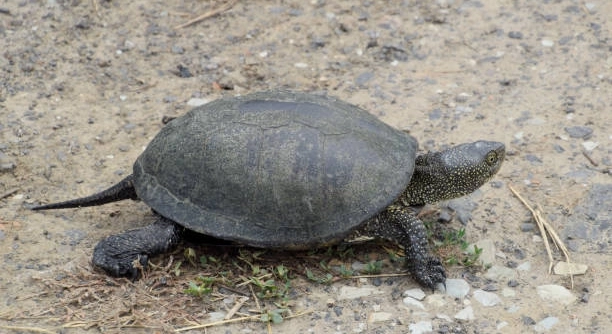
Turtles are fascinating pets, and a musk turtle is no exception. If you have a musk turtle, you might be wondering why it avoids basking. This behavior can be puzzling, but understanding the causes is key to helping your turtle thrive.
Musk turtles often avoid basking due to stress, illness, inadequate basking conditions, or water temperature issues. Ensuring proper tank setup, temperature, and turtle health can encourage natural basking behavior and improve your turtle’s well-being.
Understanding why your turtle avoids basking is essential for maintaining its health. There are simple steps you can take to fix the issue and promote better habits in your pet.
Stress or Fear
Stress can be a major reason your musk turtle avoids basking. Turtles are naturally cautious animals, and any changes in their environment may make them feel unsafe. This includes sudden movements around their tank, loud noises, or unfamiliar scents. If your turtle feels threatened or stressed, it will prefer staying submerged, avoiding basking altogether.
If you notice your turtle hiding more than usual or acting skittish, stress could be the issue. Reducing noise around the tank and providing a peaceful environment can help your turtle feel more at ease. A consistent routine also helps turtles feel secure.
Make sure the environment around your turtle is calm. Try to limit handling and avoid sudden changes. A stable environment can lead to more relaxed behavior and help encourage basking. Over time, your turtle may feel more comfortable basking once it recognizes its surroundings are safe again.
Improper Tank Setup
Sometimes, the setup of your tank may be the reason why your turtle avoids basking. If the basking area is too small, too slippery, or not warm enough, your turtle may refuse to use it. It’s essential to create a basking spot that mimics the natural conditions your turtle would experience in the wild.
The basking area should be equipped with a heat lamp to provide the right temperature, as well as a safe, easy-to-reach platform for your turtle to climb onto. Without these proper conditions, your turtle might feel uncomfortable and avoid basking.
Check the temperature regularly to ensure the basking area is at the appropriate level. If the temperature is too low or the platform isn’t comfortable, your turtle will prefer staying in the water. Make necessary adjustments to improve your turtle’s basking experience and encourage healthier habits.
Illness or Injury
If your musk turtle isn’t basking, an underlying health issue might be to blame. Injuries or infections can cause discomfort, making your turtle less likely to leave the water. When turtles are unwell, they may avoid basking because the warm environment might exacerbate their symptoms or make them feel vulnerable.
Look for signs of illness like swelling, changes in appetite, or abnormal behavior. If your turtle is consistently avoiding basking, a visit to the vet can help rule out any medical problems. Prompt treatment can improve your turtle’s condition and encourage basking again.
Even a small injury, like a scratch or cut, can make your turtle avoid basking. An injured or sick turtle may also be more prone to hiding in the water. If you notice any signs of infection or discomfort, take action quickly to help your turtle recover.
Incorrect Water Temperature
If the water temperature is too low, your musk turtle might not feel like basking. Turtles rely on water warmth to regulate their body temperature, and if the water is cold, they’ll be more focused on staying submerged to warm up. Inadequate water temperature can also affect their energy levels and overall behavior.
Use a thermometer to ensure the water temperature is within the proper range for musk turtles, typically between 72-78°F (22-26°C). Too cold water can stress your turtle, causing it to avoid basking or exhibit other abnormal behaviors.
By keeping the water at the right temperature, you help your turtle feel comfortable enough to leave the water and bask. Regularly check the water temperature, and make adjustments if needed. A warm environment will encourage natural basking behavior and support your turtle’s health.
Overcrowded Tank
An overcrowded tank can make your turtle feel stressed and uncomfortable. If there are too many other animals or if there’s not enough space for your turtle, it may avoid basking. Musk turtles need room to move freely and a quiet spot to relax.
Make sure there is ample space for your turtle to roam and a designated basking area away from the other tank inhabitants. Reducing the number of animals in the tank or separating them can help alleviate this issue.
Providing a spacious, calm environment will help your turtle feel safe, encouraging it to bask more frequently.
Inadequate Lighting
Proper lighting is crucial for your turtle’s overall health. Without adequate UVB lighting, your musk turtle may be discouraged from basking. UVB light is necessary for calcium metabolism and shell health, and without it, your turtle may avoid basking in search of a more suitable environment.
Check that the basking area has both UVB and heat lamps. The right combination of light and warmth helps regulate your turtle’s natural behavior.
Replacing bulbs regularly and ensuring the light reaches the basking spot properly will encourage your turtle to bask and stay healthy.
Water Quality
Poor water quality can make your turtle avoid basking. Dirty water may lead to skin and eye irritation, which will discourage your turtle from spending time outside the water. Musk turtles need clean, well-filtered water to thrive and engage in natural behaviors like basking.
Regularly change the water and use a filter to keep it clean. Monitor the water quality for any signs of dirt or excess waste, which can lead to discomfort.
Good water quality promotes a healthy environment and may help your turtle feel more comfortable basking.
FAQ
Why does my musk turtle avoid basking?
There are several reasons why your musk turtle might avoid basking. Stress, illness, improper tank setup, and water temperature issues are some common causes. Turtles need a calm environment, the right water temperature, and a comfortable basking area to encourage basking behavior. If any of these factors are off, your turtle may choose to stay submerged instead.
Can my turtle’s health affect its basking behavior?
Yes, illness or injury can make your turtle reluctant to bask. If your turtle is sick or hurt, it may not have the energy or motivation to climb up and bask. Infections, shell problems, or even small injuries can cause discomfort. If your turtle avoids basking for an extended period, it’s a good idea to check for signs of illness and consult a vet if needed.
How do I know if my turtle is stressed?
Signs of stress in turtles include hiding more than usual, refusing food, excessive swimming, or staying at the bottom of the tank. Stress can come from various sources, such as loud noises, overcrowding, or sudden changes in its environment. Ensuring a calm, stable environment is key to reducing stress in your turtle.
What is the right water temperature for my musk turtle?
Musk turtles prefer water temperatures between 72-78°F (22-26°C). If the water is too cold, your turtle may avoid basking because it feels too cold to leave the water. Too hot water can cause stress and dehydration. Use a thermometer to maintain consistent water temperatures, and adjust your heater as necessary.
Does the tank’s lighting affect basking?
Yes, lighting plays a significant role in encouraging basking behavior. UVB lighting is essential for your turtle’s health because it helps with calcium absorption, preventing shell problems and other health issues. Without adequate lighting, your turtle may avoid basking altogether. Make sure your tank has both UVB and heat lamps to provide the proper conditions.
How do I set up the perfect basking area for my turtle?
A proper basking area should be easy for your turtle to access and dry. Use a sturdy platform that is not too steep, so your turtle can climb up easily. Place a heat lamp directly above the basking area to provide warmth. The platform should be large enough for your turtle to rest comfortably while being fully exposed to the light.
Can overcrowding in the tank cause my turtle to avoid basking?
Yes, overcrowding can stress out your turtle and prevent it from basking. If there are too many tank mates or not enough space, your turtle may feel the need to stay hidden or remain in the water. Reducing the number of animals or giving your turtle more space can help reduce stress and encourage basking.
How can I improve the water quality in my turtle’s tank?
Good water quality is crucial for your turtle’s health and its ability to bask. Make sure to use a reliable water filter to remove waste and debris. Regularly change the water (about 25-50% every two weeks) and check the water parameters for ammonia, nitrites, and nitrates. Clean the tank and filter as needed to maintain clear water and prevent health problems.
Should I handle my turtle more to encourage basking?
Handling your turtle too often can cause stress and make it less likely to bask. Turtles are naturally cautious creatures and need time to adjust to their environment. It’s best to limit handling to avoid stress and give your turtle time to acclimate to the tank. A calm, peaceful environment is more likely to encourage basking.
How do I know if my turtle is not basking enough?
If your turtle is not basking enough, it may show signs of poor health, such as shell problems, lethargy, or poor appetite. Basking is essential for your turtle to regulate its body temperature and absorb necessary UVB light. If it’s avoiding basking for a long period, there may be an underlying issue with its health, tank setup, or environment.
Is it necessary for my turtle to bask every day?
Yes, daily basking is important for your turtle’s health. Basking helps them regulate their body temperature, dry out, and get the UVB light they need to metabolize calcium. If your turtle isn’t basking daily, it could be a sign that something is wrong with the tank setup, lighting, or water conditions.
Can I fix the basking problem without changing the entire tank?
In many cases, you can fix the basking problem without completely redoing the tank. Start by adjusting the water temperature, improving the basking area, and ensuring the lighting is proper. Reducing stressors like loud noises or overcrowding can also help. If these changes don’t work, it might be worth checking for any health issues.
How long should my turtle be basking each day?
Your turtle should bask for about 2-4 hours a day. However, this can vary depending on the species and your turtle’s specific needs. Musk turtles generally need less basking time than other species, but they should still be exposed to heat and UVB light for proper health.
Understanding why your musk turtle avoids basking is essential for its health and well-being. Basking plays an important role in regulating a turtle’s body temperature, drying out its shell, and absorbing UVB light, which is vital for calcium metabolism. When your turtle skips basking, it could be due to stress, illness, improper tank setup, or environmental factors like water temperature or lighting. Identifying the root cause is the first step in helping your turtle get back to its natural habits.
If your turtle is avoiding basking, consider examining its environment closely. Stressors like overcrowding, noise, or constant handling can make your turtle feel unsafe. Similarly, improper tank conditions such as poor water quality or incorrect temperatures can create an uncomfortable setting. It’s also important to check that your turtle has access to a suitable basking area. The right platform, proper lighting, and a stable, comfortable environment are key to encouraging basking behavior. By making these adjustments, your turtle may begin to feel more comfortable and resume basking regularly.
In some cases, illness or injury may be the cause of your turtle’s reluctance to bask. If all environmental factors are in place and your turtle still avoids basking, it’s worth consulting a veterinarian to rule out any health issues. Ensuring your turtle’s environment is healthy and safe, combined with a visit to a vet when needed, will help your musk turtle live a long, happy, and healthy life. The right care and attention can encourage your turtle to bask regularly, contributing to its overall well-being.

Hello,
If you enjoy the content that we create, please consider saying a "Thank You!" by leaving a tip.
Every little bit helps us continue crafting quality advice that supports the health, happiness, and well-being of pets around the world, for pets of all shapes, sizes, and species.
We really appreciate the kindness and support that you show us!