
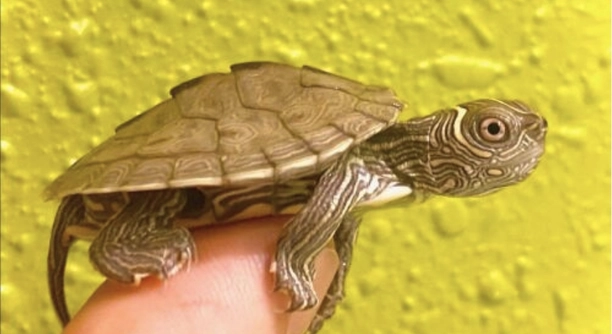
Map turtles are fascinating creatures, but they can sometimes display unusual behavior when touched. One common issue is their tendency to stop moving, which can be unsettling for their owners. Understanding the reasons behind this reaction is important for their care.
The most common reason for a map turtle to stop moving when touched is stress. Turtles can become startled by sudden movements, leading them to freeze as a defense mechanism. This is often seen in new environments or during interactions with unfamiliar people.
Understanding why your turtle behaves this way can help you adjust its environment and handling to ensure it remains healthy and comfortable.
Why Do Map Turtles Freeze When Touched?
Map turtles are known for their ability to remain still when they feel threatened or uncomfortable. This behavior is often a survival tactic. In the wild, freezing in place helps them avoid predators by appearing unnoticeable. However, in captivity, this instinct can be triggered by human touch or sudden movements. The reaction might also be linked to the turtle’s stress levels, especially when it is not accustomed to handling or its environment is unfamiliar. This natural defense mechanism ensures the turtle stays hidden and safe, but it can be alarming for turtle owners.
While this behavior is often temporary, it’s important to monitor your turtle’s response to avoid long-term stress. Repeated instances of freezing could indicate that the turtle is feeling overwhelmed or that it needs a more suitable environment. It’s essential to create a calm space for the turtle, avoiding sudden or rough movements when interacting with it. Over time, the turtle may become more accustomed to human interaction.
Managing your turtle’s environment and behavior can help prevent these moments of freeze response. Offering plenty of hiding spots, using a consistent routine, and handling the turtle gently can reduce stress and make it feel more secure. Always be mindful of how your actions may affect its comfort level, allowing it to adapt at its own pace.
What Can You Do to Reduce Stress?
Sometimes, it’s the small changes that can make a big difference. Create a peaceful environment for your turtle, with ample space to hide when it needs to. Providing consistent, gentle handling also helps build trust.
Stress from the Environment
Map turtles are sensitive to their surroundings, and an uncomfortable environment can lead to them freezing. Factors like poor water quality, bright lighting, or inadequate space can increase stress levels. When these turtles feel unsafe or cornered, their instinct is to freeze to avoid potential danger.
Water temperature plays a big role in a turtle’s comfort level. If the water is too hot or too cold, it can cause stress, making the turtle feel uncomfortable enough to stop moving. Additionally, a lack of space to roam or hide can make the turtle feel trapped. Make sure your turtle’s habitat mimics its natural environment as much as possible, with appropriate hiding spots and a clean water source.
Frequent handling can also add to the stress, especially if it’s done too often or too roughly. A map turtle needs its own time and space to feel secure. If the turtle seems to freeze when touched, it could be a sign of needing more quiet time and less interaction. Adjusting its surroundings to be more calming can help reduce these stress-related behaviors.
Handling Map Turtles
Proper handling techniques are key to reducing stress in map turtles. Always approach them slowly and gently to avoid startling them. Never pick them up too quickly or forcefully, as this can trigger their freezing response. Aim to make interactions calm and predictable to help them feel secure.
Handling map turtles with care and consistency also builds trust over time. Turtles are creatures of habit, so creating a predictable routine will help them become less stressed. If your turtle is still freezing when touched, try to reduce the frequency of handling or provide more opportunities for the turtle to retreat to a safe spot. This gives it control over its environment, making it feel less vulnerable.
Inadequate Hiding Spots
Map turtles need a place to hide when they feel threatened or stressed. Without proper hiding spots, they might freeze whenever they feel unsafe. Providing hiding spots in their enclosure, like rocks or plants, helps them feel secure and reduces their tendency to freeze.
If your map turtle has nowhere to hide, it may resort to freezing to avoid perceived danger. Adding some simple decorations to its environment can make a huge difference in how comfortable it feels. A secure turtle is less likely to stop moving when touched, as it feels more at ease.
Water Quality
Poor water quality can stress a map turtle, leading to freezing behavior. Regularly cleaning the tank and ensuring the water is at the correct temperature and pH level is essential for maintaining your turtle’s health. Filtration systems help keep the water clean and clear.
Bad water conditions can make your turtle feel uncomfortable and increase its stress levels. Turtles are sensitive to water changes, so maintaining the right environment will help keep them relaxed and prevent freezing. Monitor the water regularly to avoid any issues.
Unfamiliar Environments
Map turtles may freeze in unfamiliar surroundings. Moving them to a new tank or location can cause stress as they try to adjust to their new environment. It’s important to allow the turtle time to acclimate and feel comfortable in its new space.
FAQ
Why does my map turtle stop moving when touched?
Map turtles often stop moving when touched due to stress. They may freeze as a defense mechanism to avoid potential danger. This instinctive reaction can happen if they’re startled, feel threatened, or are not used to being handled. Turtles are also sensitive to their environment, and discomfort from factors like poor water quality, extreme temperatures, or lack of hiding spots can cause them to freeze. Giving your turtle time to adjust and creating a calm, secure space will help reduce this behavior.
Can a map turtle get used to being handled?
Yes, map turtles can become accustomed to handling, but it takes time and patience. Approach them slowly and gently, and avoid sudden movements. Over time, if handled consistently and calmly, your turtle may begin to trust you more and feel less threatened. Gradually increase the amount of time you spend handling them, but always watch for signs of stress. Some turtles may never enjoy being handled, so it’s essential to respect their comfort zone.
How can I reduce my map turtle’s stress?
Reducing stress involves providing a comfortable and secure environment. Ensure your turtle has access to clean, properly filtered water and a consistent temperature range. Create hiding spots within the tank using plants, rocks, or driftwood, so the turtle can retreat when it feels threatened. Avoid frequent handling, and try not to overwhelm the turtle with too many changes to its environment. Keep noise levels low and avoid startling it with sudden movements or bright lights.
How can I tell if my map turtle is stressed?
A stressed map turtle may exhibit a few different behaviors. It might stop moving, freeze, or retreat into its shell. In some cases, stress can lead to loss of appetite or erratic swimming patterns. If you notice your turtle hiding more than usual or showing signs of distress like rapid breathing or difficulty moving, it’s a sign that something in its environment may need adjusting. Keeping track of its behavior and making necessary changes can help improve its well-being.
Is it normal for my map turtle to freeze in the water?
Yes, freezing in the water can be a normal response for a map turtle, especially when it feels threatened or stressed. This behavior allows them to avoid detection by predators. However, if your turtle is freezing for prolonged periods or showing signs of discomfort, it could be an indication that something is wrong with its environment. Check the water quality, temperature, and overall tank setup to ensure they meet the turtle’s needs.
Can map turtles survive in a tank with no hiding spots?
While map turtles can survive without hiding spots, their stress levels will likely increase. Hiding spots are essential for providing them with a safe space to retreat when they feel threatened. Without these spaces, your turtle may become more anxious, leading to behaviors like freezing. Providing adequate hiding spots helps your turtle feel secure and reduces stress, ultimately leading to a healthier and more active turtle.
How often should I handle my map turtle?
Handling should be kept to a minimum, especially if your turtle shows signs of stress. Once your turtle becomes accustomed to you, short, gentle handling sessions a few times a week should be enough. Never force the turtle to be handled if it shows discomfort. Let the turtle dictate when it feels ready for interaction. The goal is to establish trust without overwhelming the turtle.
What can I do if my map turtle is not eating?
If your map turtle is not eating, it could be due to stress, illness, or environmental factors. Check the water quality, temperature, and overall tank conditions to ensure they are within the proper range. If the environment is fine, consider offering a variety of foods to stimulate their appetite. Sometimes, turtles may refuse food when they are stressed or not feeling well. If the issue persists for more than a few days, it’s best to consult a veterinarian.
Can I move my map turtle to a new tank?
Yes, you can move your map turtle to a new tank, but the process should be done carefully to minimize stress. When moving a turtle, try to keep the environment as similar as possible to its previous setup. Gradually introduce the new tank and allow the turtle time to explore and adjust. Avoid overwhelming it with changes in water temperature, light, or tank decorations. Give the turtle time to settle into its new space at its own pace.
Is it okay to keep a map turtle with other turtles?
Map turtles can be kept with other turtles, but compatibility depends on the species and their individual personalities. Some turtles may be more territorial or aggressive than others. If you choose to house multiple turtles together, ensure there is enough space and hiding spots for all of them. Monitor their interactions and make sure none of the turtles are showing signs of stress, aggression, or bullying. Providing separate feeding areas can help reduce competition and stress.
How do I know if my map turtle is sick?
Signs of illness in map turtles include lethargy, loss of appetite, difficulty swimming, and abnormal behavior like excessive hiding or refusal to bask. A sick turtle may also show physical signs, such as shell discoloration, swelling, or abnormal skin. If you suspect your turtle is ill, it’s important to seek advice from a veterinarian who specializes in reptiles. Early intervention can help ensure a quicker recovery and prevent the spread of illness.
Can I keep my map turtle outside?
Map turtles can be kept outside in appropriate environments, but it’s important to ensure that the area is safe from predators and has adequate shelter, food, and water. The temperature should be within a comfortable range for the turtle, and the outdoor environment should be secure. If you live in an area with extreme weather conditions, consider keeping your turtle indoors during colder months. Always supervise outdoor time to ensure the safety and well-being of your turtle.
Why is my map turtle swimming erratically?
Erratic swimming can be a sign of stress, discomfort, or health issues. If your turtle is swimming in circles or showing an uncoordinated swimming pattern, it might be stressed or sick. First, check the water quality and temperature to ensure they are optimal for your turtle. If the behavior continues, it may indicate an underlying health issue, and you should consult a veterinarian. Keep an eye on the turtle’s behavior and overall condition to catch any potential issues early.
Final Thoughts
Understanding why your map turtle stops moving when touched can be crucial in maintaining its well-being. Map turtles are sensitive creatures, and their reactions to being touched can be influenced by various factors like stress, discomfort, or fear. It’s important to remember that this behavior is usually a natural response, as many turtles freeze to protect themselves from perceived threats. While it can be concerning to see your turtle freeze, it is often a sign that it feels unsafe or startled. However, it’s also vital to note that not all map turtles will behave this way. Some may grow more accustomed to handling over time, especially if the handling is done gently and respectfully.
Creating an environment that helps reduce stress for your map turtle is one of the most effective ways to address this issue. The right tank setup, proper water temperature, and clean water are essential factors that can help your turtle feel comfortable and secure. Also, incorporating hiding spots can provide your turtle with a place to retreat when it feels threatened. When map turtles have access to areas where they can feel safe, they are less likely to react with fear or freeze when touched. Pay attention to any other behavioral signs, such as a loss of appetite or abnormal swimming patterns, as these can indicate that your turtle is stressed or not in optimal health.
In conclusion, while it is common for map turtles to stop moving when touched, it is important to consider their environment and overall care. Over time, with the right adjustments to their living space and by handling them with patience, your turtle may become more comfortable. However, always keep in mind that each turtle is different, and some may simply prefer not to be handled as much. The key is to ensure that your map turtle has a stress-free and secure environment that allows it to thrive. With the right care, your turtle can continue to live a healthy and happy life.

Hello,
If you enjoy the content that we create, please consider saying a "Thank You!" by leaving a tip.
Every little bit helps us continue crafting quality advice that supports the health, happiness, and well-being of pets around the world, for pets of all shapes, sizes, and species.
We really appreciate the kindness and support that you show us!