
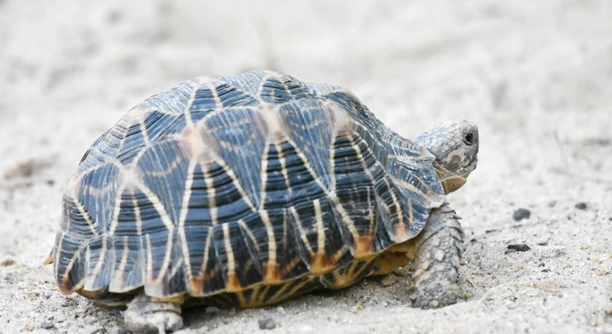
An Indian Star Tortoise may sometimes walk in circles, which can leave owners concerned. Understanding the behavior behind this can help in addressing it. This article will explore the possible reasons and solutions for circular walking.
The most common reason for circular walking in an Indian Star Tortoise is stress or a lack of space. This behavior can also be linked to boredom, inadequate environmental conditions, or a neurological issue. Identifying the cause is essential for proper care.
The good news is that with the right adjustments to their environment and care routine, this behavior can be reduced or prevented.
Why Does My Indian Star Tortoise Walk in Circles?
Walking in circles is a behavior that many Indian Star Tortoise owners notice. It can be unsettling, but it’s not always a sign of a serious problem. In most cases, it is a result of stress or boredom, or due to an environment that isn’t stimulating enough. If your tortoise is walking in circles, you should first check its habitat. A lack of space or a poorly designed enclosure can cause a variety of issues, including circular walking. Another common cause is the lack of mental stimulation. Just like humans and other animals, tortoises need variety and enrichment in their environment. When they don’t get that, they may resort to walking in circles as a form of mental distraction or frustration. In some cases, walking in circles may also be due to a neurological condition, though this is less common.
If the space isn’t sufficient, providing a larger, more enriching environment can help ease the issue. Also, make sure the enclosure is not overcrowded and that your tortoise has enough room to roam freely. If your tortoise seems to lack mental stimulation, try adding more hiding spots, plants, or structures to climb on. These simple changes can make a big difference.
Sometimes, it’s not just about improving the space. Environmental factors such as temperature and humidity are also essential. Your tortoise’s habitat should be kept at a comfortable temperature, not too hot or cold. High humidity levels or improper lighting can also create stress, leading to abnormal behaviors like walking in circles. A proper balance of warmth and light helps keep your tortoise healthy and happy. Additionally, you can provide enrichment activities to reduce boredom. Tortoises are curious creatures, so offering new elements for exploration can keep them engaged. From time to time, switching up their surroundings can also prevent them from falling into repetitive behaviors. A tortoise that feels secure and entertained is less likely to walk in circles.
What to Do If the Circling Persists
If the circling doesn’t stop despite making changes to the enclosure, it may be time to consider other possible causes. One important factor is health. If there are any signs of injury or illness, seek professional help from a veterinarian who specializes in reptiles. Neurological issues can sometimes cause unusual movements, such as walking in circles. If the circling behavior is persistent and severe, a vet can perform an examination and offer guidance on possible treatment.
In many cases, the solution is simple: providing a more stimulating, comfortable habitat with enough space. However, it’s important to monitor the tortoise closely for other signs of distress, as these could indicate a deeper problem. Keep in mind that if your tortoise has had a sudden change in behavior, it might be reacting to stressors in its environment, like a change in diet, the presence of another animal, or even the introduction of a new element to its space. The key to stopping the circling behavior is identifying the underlying issue, whether it’s environmental or health-related, and addressing it as soon as possible.
Environmental Factors That Affect Your Tortoise’s Behavior
Temperature and humidity play a key role in your tortoise’s well-being. If the enclosure is too hot or too cold, your tortoise may become stressed. A comfortable range is essential to keep your tortoise healthy and calm. Make sure that there is a temperature gradient in the tank, offering a warmer and cooler area.
Humidity is another factor that must be controlled. Indian Star Tortoises are native to areas with moderate humidity, so maintaining the right levels will prevent unnecessary stress. Too much moisture can cause skin problems, while too little can lead to dehydration. Invest in a hygrometer to monitor the humidity levels in your tortoise’s habitat. A well-balanced environment supports your tortoise’s health, reducing behaviors like circling.
Providing adequate lighting is equally important. UVB light helps with calcium absorption and prevents metabolic bone disease. Without proper lighting, your tortoise can experience lethargy, disorientation, or unusual movements. Ensure your tortoise has access to natural sunlight or a UVB bulb that mimics daylight. These simple steps create a more stable environment, improving overall well-being and possibly reducing abnormal behaviors.
Space Requirements and Enclosure Size
Indian Star Tortoises need room to roam. A cramped enclosure can lead to stress and repetitive behaviors, including walking in circles. To prevent this, ensure your tortoise has plenty of space to explore. The general rule is that the enclosure should be at least 4 times the length of your tortoise.
A spacious habitat allows your tortoise to exhibit natural behaviors, like foraging, resting, and exploring. If the enclosure is too small, it can create frustration and boredom. Adding climbing areas, hides, and obstacles can also give your tortoise more opportunities for mental and physical engagement. This helps create a healthier, more active tortoise.
If you’re noticing circling behavior, consider expanding the space. A larger, more enriched habitat encourages exploration and can stop unwanted behaviors. Avoid overcrowding the space with unnecessary items, as this can limit movement and comfort. Keep the space clean and organized to ensure your tortoise feels secure in its environment.
Stress as a Cause of Circling
Stress is a common cause of circular walking in Indian Star Tortoises. Changes in their environment, such as new surroundings or loud noises, can overwhelm them. Even the introduction of a new animal can cause anxiety and result in circling behavior.
Your tortoise may also experience stress if its routine is disrupted, such as changes in feeding or handling. It is important to maintain a consistent and calm environment to minimize stress. If there are any disturbances, try to return the environment to a familiar, quiet state. Reducing unnecessary changes can help alleviate stress.
Behavioral Issues from Lack of Stimulation
A lack of mental stimulation can lead to repetitive behaviors like circling. Indian Star Tortoises are intelligent and curious, so it is essential to provide them with enough enrichment. Regular changes in their environment, such as rearranging objects or adding new plants, can keep their minds active.
Introduce different textures or materials into their habitat, such as rocks or logs. These elements can serve as obstacles for exploration and climbing. Your tortoise will appreciate the new challenges, which can keep it engaged. Toys or food puzzles can also be beneficial for tortoises who seem to show signs of boredom.
Neurological Issues and Circling
Neurological problems, although rare, can be another reason for circular walking. If your tortoise shows no signs of improvement after addressing environmental and stress-related factors, it could be suffering from a condition affecting its nervous system. These issues may require professional diagnosis and treatment.
FAQ
Why is my Indian Star Tortoise walking in circles?
Walking in circles is often a sign of stress, boredom, or a poor living environment. If the enclosure is too small, lacks enrichment, or has improper temperature or humidity levels, your tortoise may exhibit this behavior. Additionally, if your tortoise is not getting enough stimulation, like physical or mental challenges, it may walk in circles as a form of entertainment or frustration.
How can I tell if my tortoise’s circling is caused by stress?
Stress-related circling often occurs when there are changes to the tortoise’s environment, such as new sounds, a new pet, or even a shift in daily routine. Watch for other signs of stress, like hiding, loss of appetite, or lethargy. If the circling behavior stops when the environment becomes stable again, it is likely stress-related.
Can neurological problems cause my tortoise to walk in circles?
Yes, although it’s less common, neurological issues can lead to circling behavior. These problems can be the result of trauma, infection, or genetic factors. If your tortoise’s behavior doesn’t improve after addressing its environment and stress levels, a visit to the vet is necessary to rule out neurological conditions.
What can I do to stop my tortoise from walking in circles?
Start by ensuring that the enclosure is spacious and stimulating. Adding rocks, logs, or plants can help provide mental and physical challenges. Adjust the temperature and humidity levels to suit your tortoise’s needs. If the behavior persists, consider offering more enrichment or consulting a veterinarian to rule out health issues.
How big should my Indian Star Tortoise’s enclosure be?
The minimum recommended enclosure size is 4 times the length of your tortoise. A larger space is always better, as it allows your tortoise to roam freely. The more room your tortoise has, the more likely it is to engage in natural behaviors and avoid stress-related actions like circling.
What are the ideal temperature and humidity for an Indian Star Tortoise?
The ideal temperature for an Indian Star Tortoise ranges from 80°F to 90°F during the day, with a basking area around 95°F. At night, the temperature can drop to 70°F. Humidity should be kept between 50% and 60%. These conditions help ensure your tortoise remains comfortable and healthy.
How often should I change my tortoise’s habitat?
It’s a good idea to rearrange or add new objects to your tortoise’s enclosure every few weeks. Tortoises are curious and benefit from a constantly changing environment. This helps prevent boredom, which can lead to repetitive behaviors such as circling. However, avoid overloading the space with too many objects, as it can make movement difficult.
Should I provide a hiding spot for my tortoise?
Yes, providing a hiding spot can help your tortoise feel secure, reducing stress and the likelihood of circling. A simple hide or a small tunnel allows your tortoise to retreat when it feels threatened or needs rest. This gives your tortoise a sense of safety, which can help alleviate stress-related behaviors.
Can I help my tortoise get more exercise?
Yes, offering your tortoise opportunities for exercise is a good way to reduce circling. You can create a larger, more complex habitat with climbing areas, ramps, and more space to roam. Regularly moving your tortoise to a safe, open area where it can explore will also help it get the exercise it needs.
What signs should I look for if my tortoise is unwell?
Watch for signs like lethargy, loss of appetite, abnormal droppings, or excessive hiding. If the circling persists or worsens despite environmental changes, it may be a sign of a health problem. In this case, it’s essential to consult a veterinarian who specializes in reptiles to check for any underlying issues.
Can I reduce my tortoise’s stress with a companion?
It’s generally not recommended to house Indian Star Tortoises with other tortoises, as they are solitary animals. Introducing a companion could cause additional stress, territorial behavior, or even aggression. It’s best to let your tortoise live alone and focus on improving its environment and stimulation instead.
How long does it take for my tortoise to stop circling?
The time it takes for a tortoise to stop circling depends on the cause. If it’s due to environmental stress or boredom, it could take a few days or weeks after making changes to the habitat. If the circling continues despite adjustments, a veterinarian’s advice may be necessary.
What kind of enrichment can I provide for my tortoise?
Enrichment can include adding climbing structures, different textures, and hiding spots to the enclosure. Offering food puzzles or occasional treats will encourage foraging behavior. Additionally, rotating toys or safe objects for exploration can help keep your tortoise engaged and mentally stimulated.
Is there a specific diet that helps prevent stress in tortoises?
A balanced diet can contribute to your tortoise’s overall well-being. Provide a variety of leafy greens, vegetables, and occasional fruits. A proper diet helps maintain a healthy weight, which can reduce stress. Avoid feeding high-protein foods, as they may lead to kidney problems in tortoises.
How can I tell if my tortoise is bored?
Signs of boredom in tortoises include repetitive behaviors like circling, pacing, or excessive digging. If your tortoise seems to be less active or is not eating, it could be a sign that it’s not stimulated enough. Adding new elements to its environment or changing the layout may help.
Final Thoughts
In conclusion, the behavior of your Indian Star Tortoise walking in circles is often a result of stress, boredom, or a poorly maintained habitat. While this behavior can be concerning, it is important to first evaluate the environment to ensure it is suitable for your tortoise’s needs. By creating a comfortable space with proper temperature, humidity, and enrichment, you can help your tortoise feel secure and reduce unnecessary behaviors like circling.
Stress can stem from various factors, including sudden changes in the environment, loud noises, or the presence of new pets. It’s essential to provide your tortoise with a stable and calm environment. Ensuring that it has enough space, appropriate lighting, and a quiet atmosphere will go a long way in reducing anxiety and making your tortoise feel at ease. Additionally, regular routines, such as consistent feeding times, can help create a sense of security and prevent stress-related behaviors.
Lastly, if environmental adjustments and added enrichment do not alleviate the circling behavior, it’s important to consult a veterinarian. Neurological issues, though rare, can be a factor, and early intervention can prevent further complications. A vet can help rule out medical conditions and provide guidance on how to address the issue. With the right care and attention, your tortoise can live a healthy and happy life without unnecessary stress or repetitive behaviors.

Hello,
If you enjoy the content that we create, please consider saying a "Thank You!" by leaving a tip.
Every little bit helps us continue crafting quality advice that supports the health, happiness, and well-being of pets around the world, for pets of all shapes, sizes, and species.
We really appreciate the kindness and support that you show us!