
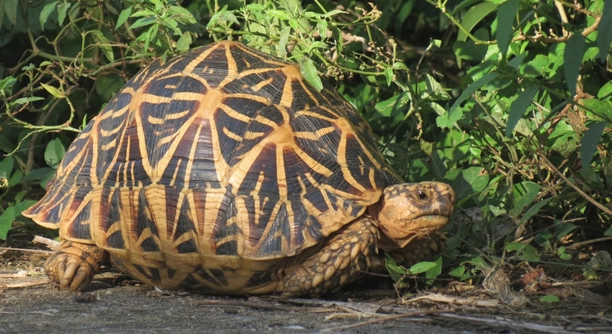
An Indian Star Tortoise refusing to come out of its shell can be concerning for any pet owner. This behavior is often temporary and can be influenced by various factors. Understanding the reasons behind it can help ensure your pet’s well-being.
The main reasons for this behavior are stress, environmental factors, or health concerns. If your tortoise feels threatened, it may retreat into its shell as a defense mechanism. Temperature and humidity levels also play a significant role in their behavior.
Adjusting the environment and being mindful of any stressors can help resolve the issue. Understanding the cause ensures that your tortoise stays comfortable and healthy.
Why Do Tortoises Retreat into Their Shells?
Tortoises are known for their calm demeanor, but when they retreat into their shells, it can be confusing. The most common reason for this behavior is stress. A tortoise may feel threatened by loud noises, sudden movements, or the presence of other animals. Changes in their environment, such as new habitats or unfamiliar smells, can also make them feel unsafe. This instinctual response is their way of protecting themselves. In nature, their shells act as a shield against predators, and they’ll naturally hide inside when they sense danger.
Stress can easily affect a tortoise’s behavior, leading it to withdraw into its shell. They are not as resilient to stress as other pets, so it’s essential to minimize any triggers that could affect them.
Tortoises also need time to adjust to new surroundings. Whether you’ve recently moved your tortoise to a new habitat or introduced it to new companions, be patient. It’s important to let them explore their new environment at their own pace. Gradually introducing changes will help them feel more comfortable and reduce the chances of retreating into their shells out of fear.
Environmental Conditions Matter
If your tortoise isn’t coming out, consider the temperature and humidity of its habitat. These factors are crucial for their comfort and health. When a tortoise’s environment is too cold or dry, it can make them feel sluggish or stressed, leading to a lack of activity and retreat into the shell. Ensuring the right conditions can encourage your tortoise to move around and stay active.
Creating a stable environment with the correct temperature range is key. Tortoises need a warm basking area where they can warm up, along with a cooler area where they can retreat if needed. Too much heat or cold can cause discomfort and trigger defensive behavior. Keep the humidity levels in check to mimic their natural habitat as closely as possible. These simple adjustments can encourage your tortoise to leave its shell and explore.
Stress from Handling or Environment Changes
A tortoise may feel unsafe if it’s handled too much or if its environment changes suddenly. Overhandling, especially by people it doesn’t recognize, can cause stress. New environments or strange smells can also trigger this behavior.
Tortoises are naturally solitary creatures, and they can become stressed if they feel their space is being invaded. Avoid constantly picking them up or making quick movements around their habitat. Over time, they may retreat into their shell as a sign of anxiety. It’s important to provide a calm, predictable environment. Keep handling minimal, especially when introducing them to a new place. With patience, your tortoise will eventually feel more at ease.
If your tortoise has recently been moved to a new home or enclosure, give it time to adjust. It’s perfectly normal for them to take a few days or even weeks to feel comfortable. Make sure the space is secure, quiet, and consistent. Sudden changes can cause unnecessary stress.
Illness or Injury
Health issues are another reason your tortoise may hide. If your tortoise is feeling unwell, it may retreat into its shell to rest and avoid interacting. Look for signs of illness such as lack of appetite, lethargy, or abnormal behavior.
If your tortoise is spending more time in its shell and showing signs of distress or discomfort, it might be sick. Common health issues include respiratory infections, shell rot, or parasites. If your tortoise refuses to leave its shell and exhibits other concerning symptoms, it’s important to consult with a veterinarian. A proper diagnosis will help determine the best course of action for treatment.
Ignoring potential health problems can lead to more serious conditions. It’s crucial to take note of any changes in behavior, as these can indicate a bigger issue that needs attention. A vet visit will help ensure your tortoise stays healthy and active.
Poor Diet or Dehydration
A lack of proper nutrition or dehydration can also cause your tortoise to hide. If it’s not getting the right food or enough water, it may feel too weak or lethargic to come out.
Ensure your tortoise’s diet includes a variety of fresh greens, vegetables, and calcium-rich foods. Dehydration can be just as harmful, so make sure water is always available. Dehydrated tortoises may show less interest in food and become more reclusive. A balanced diet with adequate hydration is essential to your tortoise’s health and activity levels.
Lack of Space
If your tortoise is confined to a small or overcrowded area, it may feel stressed and retreat into its shell. Tortoises need enough space to move around comfortably.
Providing a larger enclosure with hiding spots and room to roam encourages natural behavior. The environment should also have areas to bask in warmth and others that are cooler for resting. If your tortoise’s space feels cramped, it may shy away from coming out of its shell. More room allows for freedom and comfort, promoting better overall health.
Temperature and Humidity Issues
Temperature and humidity imbalances are key reasons why your tortoise may stay in its shell. Too much heat or cold can cause stress, while improper humidity levels affect their comfort.
Tortoises thrive in specific temperature ranges. They need a warm basking spot and a cooler area to retreat to. Humidity is also crucial for hydration and digestion. If the enclosure is too dry or too damp, your tortoise may hide to stay safe. Ensuring a balanced environment will encourage activity and prevent it from withdrawing into its shell.
FAQ
Why is my tortoise staying in its shell for days?
If your tortoise stays in its shell for several days, it could be due to stress, illness, or environmental factors. Stress can stem from handling, changes in its habitat, or new surroundings. If the enclosure is too hot, cold, or dry, it might retreat for comfort. Illnesses like respiratory infections, parasites, or shell rot can also cause prolonged hiding. Check your tortoise for signs of health issues and ensure its environment is suitable.
How can I tell if my tortoise is stressed?
Signs of stress in a tortoise include hiding more than usual, loss of appetite, and changes in behavior. If the tortoise seems lethargic, withdrawn, or isn’t eating, stress could be the cause. Common stressors include loud noises, too much handling, or a cramped living space. Providing a quiet, stable environment will help reduce stress.
Can I help my tortoise feel comfortable again?
Yes, you can help by ensuring your tortoise’s habitat is safe, calm, and stable. Minimize handling and give it time to adjust. Make sure the enclosure has the right temperature and humidity levels, along with enough space. Proper nutrition and hydration are also crucial for its well-being.
What should I do if my tortoise is refusing to eat?
If your tortoise refuses to eat, check for signs of illness or environmental issues. Stress or poor diet are common causes. Ensure your tortoise’s enclosure is the right temperature and humidity. If it’s still not eating, consult a vet for advice. It could be a sign of a health problem.
Is it normal for my tortoise to hide at night?
Yes, it’s completely normal for tortoises to hide at night. Tortoises are diurnal, which means they are active during the day and sleep at night. At night, they may retreat into their shells or find a cool, dark spot to rest. This is part of their natural behavior.
What temperature should my tortoise’s enclosure be?
Tortoises generally need a temperature range of 75-85°F in their enclosure, with a basking spot reaching around 95-100°F. Make sure there are areas of the enclosure that provide both warmth and cooler places. A proper gradient helps your tortoise regulate its body temperature.
How do I know if my tortoise is sick?
Common signs of illness in tortoises include lethargy, loss of appetite, abnormal behavior, discharge from the eyes or nose, and trouble walking. If your tortoise shows any of these symptoms or refuses to come out of its shell, it’s best to take it to a vet for a thorough checkup.
What should I feed my tortoise to keep it healthy?
A healthy tortoise diet includes leafy greens, grasses, and a variety of vegetables. Avoid feeding too much fruit, as it can cause digestive issues. Supplement with calcium and vitamins if needed. Ensure your tortoise has access to fresh water at all times, as dehydration can lead to health problems.
Can I use a heat lamp for my tortoise’s enclosure?
Yes, a heat lamp is essential for creating the proper temperature gradient in your tortoise’s enclosure. Place the lamp over the basking area to provide heat. Be sure the lamp is not too close to the shell to avoid overheating. Use a thermometer to monitor temperatures accurately.
How long can my tortoise stay in its shell?
Tortoises can remain in their shells for an extended period, especially if they feel threatened, stressed, or unwell. While it’s normal for them to retreat into their shells occasionally, extended periods of hiding could signal a problem. Ensure the environment is right and check for signs of illness or stress.
Do tortoises sleep a lot?
Tortoises sleep at night and may also take naps during the day. It’s normal for them to rest in their shell, especially if they feel safe. However, excessive sleep during the day or lack of activity may indicate stress, poor health, or an unsuitable environment.
How can I help my tortoise stay hydrated?
To ensure your tortoise stays hydrated, provide fresh water daily. Some tortoises also drink from shallow water dishes, while others may benefit from soaking in lukewarm water for 10-15 minutes a few times a week. This helps them absorb moisture and stay hydrated.
Can I take my tortoise outside?
Yes, you can take your tortoise outside, but only in a safe, enclosed space. Ensure the area is free from predators and the temperature is suitable for your tortoise. Always supervise outdoor time, as tortoises are slow and may wander into dangerous areas. Be cautious of extreme weather conditions.
Final Thoughts
Taking care of an Indian Star Tortoise requires attention to its environment, diet, and overall well-being. If your tortoise is refusing to come out of its shell, it’s important to first assess its habitat. The temperature, humidity, and size of its enclosure play a major role in how comfortable it feels. A proper environment encourages your tortoise to be active and healthy. Without the right conditions, it may withdraw into its shell as a way to protect itself. Always make sure that your tortoise’s living space is spacious, warm, and humid enough to support its needs.
Another key factor is diet and hydration. If your tortoise is not getting the right food or enough water, it may become lethargic and hide more often. Providing a balanced diet rich in fresh vegetables, calcium, and fiber is essential for its health. Hydration is equally important, so ensure that fresh water is always available. Dehydration and poor nutrition can cause serious health problems, and your tortoise may retreat into its shell when it feels unwell or uncomfortable. If you notice any signs of weight loss, lack of appetite, or abnormal behavior, it’s best to consult a vet.
Lastly, stress and illness are common reasons for your tortoise’s behavior. Stress can be caused by too much handling, loud noises, or other pets in the house. Illness, on the other hand, may require professional medical attention. Regular check-ups with a vet are essential to ensure your tortoise stays healthy. If your tortoise is not eating, moving, or responding as usual, there may be an underlying issue. Keeping its environment calm, comfortable, and free from stressors can go a long way in encouraging normal behavior. Addressing these factors early will ensure your tortoise thrives and stays active.

Hello,
If you enjoy the content that we create, please consider saying a "Thank You!" by leaving a tip.
Every little bit helps us continue crafting quality advice that supports the health, happiness, and well-being of pets around the world, for pets of all shapes, sizes, and species.
We really appreciate the kindness and support that you show us!