
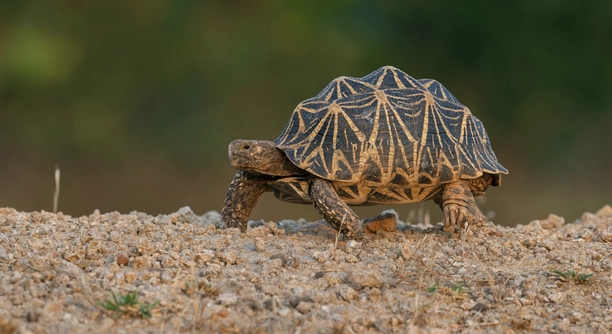
Is your Indian star tortoise constantly attempting to escape, leaving you concerned about its well-being? This behavior can be frustrating and confusing, especially when its habitat seems secure and comfortable. Understanding the reasons behind this can help you address the issue.
Indian star tortoises may attempt to escape due to inadequate enclosure size, improper temperature, lack of hiding spots, stress, breeding instincts, unfamiliar surroundings, or health issues. Identifying and resolving these factors can create a more secure and comfortable environment for your tortoise.
Creating the right habitat conditions will help reduce escape attempts and keep your tortoise content. Addressing these factors can improve its quality of life and ensure a stress-free environment.
Inadequate Enclosure Size
A small enclosure can make your Indian star tortoise feel confined, leading to frequent escape attempts. These tortoises need enough space to explore, forage, and move freely. When their enclosure is too small, they become stressed and restless, trying to find a larger, more suitable area. Providing a spacious habitat reduces stress and promotes natural behaviors. Ensuring adequate floor space and proper layout is essential for their well-being. A larger enclosure with varied terrain, hiding spots, and basking areas allows your tortoise to feel secure and comfortable, minimizing its urge to escape.
A cramped space can cause discomfort, making your tortoise search for a better environment. Expanding the enclosure and adding enrichment can prevent escape behavior.
Outdoor enclosures should be secure and spacious, allowing natural sunlight and room for exploration. Indoor setups need enough space for movement, basking, and hiding. Regularly reassessing the enclosure size ensures it meets your tortoise’s needs as it grows.
Incorrect Temperature and Humidity
Temperature and humidity play a crucial role in your tortoise’s behavior. If these conditions are not optimal, your tortoise may attempt to leave its enclosure in search of a more suitable climate.
Indian star tortoises require a temperature gradient, with a basking area around 95°F and cooler areas between 75-85°F. If temperatures drop too low or become excessively high, your tortoise may feel uncomfortable and stressed. Similarly, humidity levels should stay between 50-70% to support healthy hydration and shell development. When humidity is too low, your tortoise may become dehydrated, while excessive humidity can cause respiratory issues. These imbalances often trigger escape behavior.
To maintain proper conditions, use a reliable thermometer and hygrometer to monitor temperature and humidity daily. Adjust heating elements, misting schedules, and ventilation as needed. Providing a warm basking spot, shaded areas, and a humidity-controlled environment ensures your tortoise remains comfortable and reduces its urge to escape.
Lack of Hiding Spots
A lack of hiding spots can make your tortoise feel exposed and anxious, leading to escape attempts. In the wild, they seek shelter under plants or burrow into soft ground. Without adequate cover, they may constantly search for a more secure environment.
Providing multiple hiding areas within the enclosure helps your tortoise feel safe and reduces stress. Use natural elements like logs, rocks, and plants to create shaded areas. Commercial hides, such as half logs or tortoise houses, also work well. The placement of these shelters should mimic natural environments, offering different options throughout the enclosure.
A secure hiding spot encourages natural behaviors and prevents excessive roaming. Ensure the hides are appropriately sized for your tortoise to enter and exit comfortably. Having multiple shelters in various locations allows your tortoise to regulate its body temperature while feeling protected, reducing its need to escape.
Stress and Disturbances
Frequent disturbances and excessive handling can cause stress, making your tortoise attempt to escape. Loud noises, sudden movements, or unfamiliar surroundings can create anxiety. If your tortoise feels unsafe, it may instinctively try to flee from its enclosure.
Minimizing stress involves creating a calm environment with minimal disruptions. Avoid placing the enclosure in high-traffic areas or near loud appliances. If children or pets are present, ensure interactions are gentle and limited. Reducing environmental stressors allows your tortoise to feel more secure.
Excessive handling can also lead to stress. While occasional interaction is fine, frequent handling can make your tortoise uneasy. Allow it to explore its environment without unnecessary interference. Observing from a distance helps build trust while keeping stress levels low. A peaceful, well-structured habitat prevents escape behaviors and ensures a comfortable space for your tortoise.
Breeding Instincts
Male Indian star tortoises may become restless during the breeding season, leading to frequent pacing and escape attempts. This behavior is driven by natural instincts to seek a mate. Providing an appropriate environment can help reduce stress and minimize excessive movement.
If housing multiple tortoises together, aggressive behavior may occur, especially among males. Separating individuals that display dominance can prevent stress-related escape attempts. Ensuring each tortoise has enough space and access to resources helps create a calmer environment.
Unfamiliar Surroundings
Relocating a tortoise to a new enclosure or home can trigger escape behavior. It may attempt to leave as it adjusts to its new space. This is a normal reaction, but ensuring proper habitat conditions can help ease the transition.
Allow time for adjustment by maintaining a consistent routine. Avoid changing enclosure features too frequently, as stability helps your tortoise feel secure. Gradually introducing new elements allows it to adapt without added stress. Keeping environmental conditions stable encourages natural behaviors and reduces the urge to escape.
Health Issues
Illness or discomfort can cause increased movement and escape attempts. If your tortoise exhibits unusual behavior, such as persistent pacing or restlessness, assessing its health is important. Identifying and addressing health concerns early ensures a more comfortable and secure environment.
FAQ
Why does my Indian star tortoise keep climbing the walls of its enclosure?
Climbing is a common behavior in tortoises when they feel confined or stressed. If your tortoise is constantly trying to climb its enclosure, it may not have enough space. An enclosure that is too small can trigger climbing or pacing as your tortoise searches for more room. Ensure the enclosure is large enough for your tortoise to move freely and explore. Adding varied terrain and hiding spots can also reduce the desire to climb. Additionally, if the temperature or humidity levels are not ideal, your tortoise may be attempting to escape to a more comfortable environment.
How can I stop my tortoise from escaping?
First, ensure your tortoise’s enclosure is secure. Check for any gaps or weak spots where it could slip through. Adding higher walls or using a more secure lid can prevent escape attempts. Also, examine the enclosure size—too small a space can make your tortoise feel stressed and lead to escape behaviors. Make sure your tortoise has plenty of hiding spots and enrichment to keep it occupied. Maintaining the right temperature, humidity, and lighting also encourages relaxation, reducing the desire to escape.
Can stress cause my tortoise to escape?
Yes, stress is a common trigger for escape attempts. Changes in the environment, such as new objects or loud noises, can cause anxiety. Too much handling or disturbance, especially in the early stages of settling in, may also stress your tortoise out. A calm, quiet area for your tortoise to live and regular monitoring of its environment will help. Additionally, ensuring it has enough space, proper heating, and humidity, as well as hiding spots, will create a secure atmosphere, reducing stress levels and preventing the urge to escape.
Is it normal for my tortoise to escape at night?
It is not unusual for tortoises to become more active at night, especially if they are uncomfortable during the day. If your tortoise is escaping at night, it could be searching for better temperature regulation or simply a more secure place. Ensure your tortoise has a temperature gradient in its enclosure so it can adjust as needed. It is also important to check for signs of stress, such as pacing or digging. Adding extra hiding spots and ensuring a proper night-time temperature can help your tortoise feel more secure and discourage nighttime escapes.
How do I know if my tortoise is trying to escape due to health problems?
Health-related issues can cause a tortoise to become restless or try to escape. If your tortoise shows signs like lethargy, weight loss, or changes in its eating or drinking habits, it may be unwell. An increase in escape attempts or unusual movements could also be a sign of discomfort or pain. If you notice these symptoms, it’s essential to take your tortoise to a vet. A check-up can ensure there are no underlying health issues causing its behavior. Make sure your tortoise’s habitat is comfortable, and monitor for any signs of illness.
Does my tortoise need company to prevent it from escaping?
Indian star tortoises are generally solitary animals, so adding another tortoise may not necessarily prevent escape behavior. In fact, multiple tortoises in the same enclosure can sometimes lead to territorial disputes, causing stress and more escape attempts. If you choose to house multiple tortoises, ensure they have enough space and individual hiding spots. For a single tortoise, providing a spacious, well-maintained enclosure is the best way to reduce escape attempts.
Why is my tortoise trying to escape after I moved its enclosure?
Tortoises are creatures of habit, and moving their enclosure can cause stress. They may attempt to escape as they adjust to the new surroundings. To help them settle, keep the environment as similar as possible to the previous setup. Ensure temperature, humidity, and lighting are consistent, and avoid moving objects around too much. Allow your tortoise time to adjust to its new environment and provide plenty of hiding spots and enrichment. This helps create a stable, familiar atmosphere, which may reduce the urge to escape.
How often should I change my tortoise’s enclosure to prevent escape?
A tortoise’s enclosure should be cleaned regularly to maintain good hygiene, but its layout should remain relatively stable. Constant changes in the environment can confuse and stress your tortoise, leading to escape attempts. Once the enclosure is set up correctly, make minimal changes unless necessary. If the enclosure needs to be changed for cleaning purposes or other reasons, make sure the tortoise has plenty of hiding spots and enrichment to feel secure during the transition. Frequent rearrangements can increase stress, so keeping things consistent is key.
How can I tell if my tortoise is comfortable in its enclosure?
Comfort in an enclosure is evident through the tortoise’s behavior. A relaxed tortoise will explore its environment, bask in a heat spot, and hide when needed. If your tortoise is pacing constantly, trying to climb out, or seems agitated, it may be stressed. A comfortable tortoise should also eat and drink regularly, sleep in a secure spot, and generally appear calm. Ensuring that the enclosure has the correct temperature, humidity, and space is crucial for your tortoise’s comfort. A secure and enriched environment will keep your tortoise feeling safe and less likely to escape.
Can I stop my tortoise from escaping by providing more food?
While providing a healthy and balanced diet is essential, it won’t directly stop your tortoise from escaping. Escape behavior is usually driven by environmental factors like stress, temperature issues, or lack of space. However, ensuring your tortoise has a proper diet can improve its overall well-being and reduce stress. A healthy tortoise is more likely to feel secure in its environment. Regularly check the habitat conditions, such as temperature and humidity, to prevent escape attempts. The key to reducing escape behavior lies in a balanced habitat, not just food.
Final Thoughts
Understanding why your Indian star tortoise keeps trying to escape is essential to addressing the behavior. Common reasons for escape attempts include stress, poor habitat conditions, and natural instincts. Ensuring that the tortoise’s environment is properly set up, with enough space, the correct temperature, and proper humidity, can significantly reduce the chances of escape. Additionally, providing hiding spots and ways for your tortoise to feel secure can prevent the desire to leave its enclosure. Regularly monitoring its health is also crucial, as discomfort from illness can lead to restlessness.
It’s important to remember that tortoises are naturally curious and might try to explore outside their enclosure. However, this doesn’t always mean that they’re unhappy or in need of a change. They may be responding to environmental triggers or their instincts. If your tortoise is displaying escape behavior, take a closer look at the conditions of its enclosure and make adjustments as needed. For example, try to avoid overcrowding or providing too many changes at once. Consistent routines and a quiet, calm environment can help reduce stress and minimize escape attempts.
Finally, regular check-ups with a vet can ensure your tortoise is in good health and not trying to escape due to discomfort. It’s also important to ensure the enclosure is secure, as even small gaps or weaknesses can lead to escapes. Keep an eye on your tortoise’s behavior, as this will help you understand whether there are any underlying issues that need attention. By creating a comfortable and safe space for your Indian star tortoise, you can reduce the likelihood of escape attempts and improve its overall well-being.

Hello,
If you enjoy the content that we create, please consider saying a "Thank You!" by leaving a tip.
Every little bit helps us continue crafting quality advice that supports the health, happiness, and well-being of pets around the world, for pets of all shapes, sizes, and species.
We really appreciate the kindness and support that you show us!