
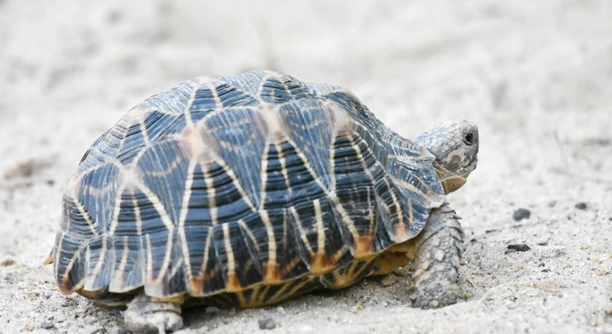
Is your Indian star tortoise constantly scratching its shell, leaving you wondering if something is wrong? This behavior can be puzzling, but it often has a clear explanation related to their health, environment, or natural instincts.
Indian star tortoises may scratch their shells due to shedding, dryness, irritation, parasites, fungal infections, stress, or environmental factors. Identifying the specific cause can help ensure your pet remains comfortable, healthy, and free from unnecessary distress.
From hydration issues to potential health concerns, many factors can contribute to this behavior. Learning about these possible reasons will help you understand your tortoise better and provide the best care for its well-being.
Shedding and Growth
Indian star tortoises naturally shed the outer layer of their shells as they grow. This process helps them maintain a healthy, smooth shell. When shedding occurs, they may scratch against surfaces to remove loose scutes. It is a normal part of their development and should not be a major concern. However, if shedding seems excessive or uneven, it could indicate an underlying issue such as poor nutrition or improper humidity levels. Ensuring they have a well-balanced diet and the right habitat conditions can support healthy growth. Providing rough surfaces like logs or stones in their enclosure can also help them shed naturally without causing harm.
A lack of humidity can slow down the shedding process, making your tortoise uncomfortable. If their habitat is too dry, their shell may become rough, leading to excessive scratching.
Keeping humidity levels between 50% and 70% can help prevent dryness. Regular misting, soaking your tortoise in lukewarm water, and providing a humid hide can improve shedding.
Dryness and Irritation
Dry air and lack of moisture can make a tortoise’s shell feel rough and itchy. When their shell dries out, they may scratch more frequently, trying to find relief. Maintaining the right humidity and hydration is essential for their comfort.
If your tortoise’s environment lacks proper humidity, their shell can develop small cracks or rough patches. This can lead to discomfort and irritation, prompting them to scratch against surfaces. Inadequate hydration can also cause their skin to dry out, making the problem worse. Offering fresh water daily and soaking your tortoise for about 20 minutes a few times a week can prevent these issues.
In addition to hydration, consider the type of substrate in their enclosure. Dry or dusty bedding can contribute to irritation. Using a mix of soil and coconut fiber can help retain moisture without becoming overly damp. Keeping a shallow water dish in their habitat also encourages natural hydration.
Parasites and Infections
External parasites like mites can cause discomfort, leading your tortoise to scratch its shell frequently. These tiny pests hide under the scutes or around the legs, causing irritation. Fungal infections can also develop, especially in damp environments, leading to itchiness and shell abnormalities.
Mites are often difficult to spot but can be identified by excessive scratching, restlessness, or small red or black specks on the shell. A fungal infection may cause white patches or a rough texture. If left untreated, these conditions can worsen and lead to more serious health issues. Regularly inspecting your tortoise and keeping their enclosure clean can prevent infestations. If you suspect mites or a fungal infection, consult a veterinarian for appropriate treatment.
A clean and well-maintained habitat is key to preventing these problems. Remove uneaten food, change the substrate regularly, and ensure there is proper ventilation. Quarantining new tortoises before introducing them to an existing enclosure can also reduce the risk of spreading parasites or infections. Keeping humidity balanced and avoiding overly damp conditions will help prevent fungal growth, keeping your tortoise’s shell in good condition.
Stress and Environmental Factors
A stressful environment can lead to excessive scratching. Loud noises, frequent handling, sudden temperature changes, or a lack of hiding spots can make your tortoise feel anxious. When stressed, they may scratch their shell as a way to cope with discomfort. Ensuring a calm and stable environment can help reduce this behavior.
Temperature fluctuations can also affect their shell health. If the enclosure is too hot or too cold, their skin and shell may become dry or irritated. A temperature gradient within their habitat allows them to regulate their body temperature comfortably. Providing shaded areas and basking spots ensures they have options to stay warm or cool down as needed.
A proper diet also plays a role in shell health. Calcium deficiencies can weaken the shell, making it more prone to irritation. Leafy greens, cuttlebone, and calcium supplements can help maintain a strong and healthy shell. Keeping a close eye on their behavior and adjusting their environment as needed will keep them comfortable and happy.
Improper Substrate
Rough or unsuitable substrate can cause irritation, leading to excessive scratching. Hard bedding materials like gravel or sharp wood chips may scrape against the shell, making your tortoise uncomfortable. A softer, more natural substrate can help reduce irritation and provide a safer surface for movement.
Dusty or overly dry bedding can also contribute to discomfort. Fine particles can stick to the shell and skin, leading to itching. Using a mix of coconut fiber, soil, and sphagnum moss helps maintain moisture while preventing excessive dryness. Regularly changing the substrate ensures a clean and comfortable habitat.
Nutritional Deficiencies
A lack of essential nutrients, especially calcium and vitamin D3, can weaken the shell and cause discomfort. Without proper nutrition, the shell may become brittle, leading to increased sensitivity and irritation. This can result in more frequent scratching as your tortoise tries to find relief. A balanced diet is crucial.
Overgrown Scutes
Overgrown or uneven scutes can create discomfort, prompting a tortoise to scratch its shell. If scutes grow abnormally, they may cause pressure or irritation. Providing rough surfaces like stones and logs helps with natural wear, preventing overgrowth and keeping the shell in good condition. Regular observation ensures early detection of any issues.
FAQ
Why does my Indian star tortoise scratch its shell against objects?
Tortoises often rub their shells against rough surfaces to aid in shedding. This is a natural process that helps remove old scutes and maintain shell health. However, excessive scratching may indicate dryness, irritation, or an issue with their environment. Providing proper humidity and a balanced diet can prevent unnecessary discomfort.
Can shell scratching be a sign of illness?
Yes, persistent scratching can sometimes indicate underlying health problems. Parasites, fungal infections, or even metabolic bone disease can make the shell feel uncomfortable. If you notice other symptoms like weight loss, lethargy, or abnormal shell texture, consult a veterinarian for a thorough checkup and proper treatment.
How can I tell if my tortoise has parasites?
External parasites like mites may cause constant scratching. Look for tiny red or black specks on the shell, around the legs, or in skin folds. Your tortoise may also seem restless or irritated. Regularly checking their shell and keeping their enclosure clean can help prevent infestations.
What should I do if my tortoise’s shell looks dry and flaky?
Dry, flaky shells often result from low humidity or inadequate hydration. Increasing humidity in the enclosure, misting the shell lightly, and providing regular soaks in lukewarm water can help. A proper diet with calcium and vitamin D3 also plays a key role in maintaining shell health.
Is it normal for a tortoise to scratch when shedding?
Yes, scratching during shedding is completely normal. As tortoises grow, they shed old scutes to make room for new growth. Scratching helps loosen the old layers. Offering rough surfaces like logs and rocks in their habitat can assist with the process and reduce excessive irritation.
Can stress cause a tortoise to scratch its shell?
Yes, stress can lead to unusual behaviors, including scratching. Loud noises, frequent handling, improper temperatures, or a lack of hiding spots can make your tortoise anxious. Ensuring a calm, stable environment with proper heat, humidity, and hiding areas can help reduce stress-related scratching.
What is the best humidity level for an Indian star tortoise?
Indian star tortoises need a humidity level between 50% and 70%. Low humidity can cause dryness and flaking, while excessive moisture may lead to fungal infections. Using a hygrometer to monitor levels and providing a humid hide can help maintain the right balance for shell health.
Should I be worried if my tortoise scratches itself occasionally?
Occasional scratching is normal and not a cause for concern. However, if it becomes frequent or aggressive, it may indicate an underlying issue. Observing their behavior, checking for parasites, and ensuring proper diet and habitat conditions can help determine if intervention is needed.
Can poor diet contribute to shell discomfort?
Yes, a lack of essential nutrients like calcium and vitamin D3 can weaken the shell, making it prone to irritation and abnormal growth. A balanced diet with leafy greens, calcium supplements, and exposure to UVB lighting supports strong shell development and overall well-being.
How can I prevent my tortoise from scratching its shell too much?
Providing a well-maintained habitat with the right humidity, proper substrate, and a balanced diet can prevent excessive scratching. Regularly inspecting their shell for any signs of dryness, overgrown scutes, or parasites can help address issues before they become severe.
Final Thoughts
Scratching is a common behavior in Indian star tortoises, and it usually has a simple explanation. Shedding, dryness, parasites, or even stress can all contribute to this habit. Observing your tortoise’s behavior closely can help you determine the cause and take the necessary steps to improve their comfort. Keeping their environment clean, maintaining proper humidity, and offering a well-balanced diet will help prevent many of the issues that lead to excessive scratching. Providing rough surfaces like rocks or logs also allows them to shed naturally without irritation.
If scratching becomes frequent or aggressive, it is important to check for signs of parasites, infections, or shell damage. A tortoise that is constantly rubbing against objects or showing other unusual behaviors may need medical attention. Consulting a reptile veterinarian can help diagnose any underlying health issues. Early intervention can prevent minor concerns from turning into serious problems. Regular checkups, a clean enclosure, and proper hydration all contribute to a healthy and happy tortoise.
Caring for an Indian star tortoise requires attention to detail, but small adjustments can make a big difference. Monitoring their habitat conditions, providing a variety of nutritious foods, and ensuring they have enough space to explore can keep them comfortable. By understanding the reasons behind their scratching, you can create a better environment that supports their health and well-being.

Hello,
If you enjoy the content that we create, please consider saying a "Thank You!" by leaving a tip.
Every little bit helps us continue crafting quality advice that supports the health, happiness, and well-being of pets around the world, for pets of all shapes, sizes, and species.
We really appreciate the kindness and support that you show us!