
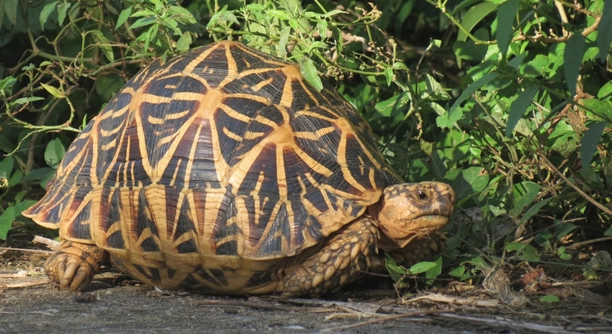
Many pet owners notice their Indian Star Tortoise scratching its legs, but understanding why this behavior occurs is important for ensuring your tortoise’s well-being. This article will explore the reasons behind such actions.
The scratching of legs in Indian Star Tortoises is often caused by irritation or discomfort due to factors such as skin shedding, habitat conditions, or even external parasites. Identifying the root cause is essential to addressing the issue and promoting your tortoise’s health.
By understanding the possible causes of your tortoise’s behavior, you can take steps to improve its living conditions. This guide will help you address these concerns and provide insight into your tortoise’s needs.
Possible Causes of Scratching Behavior
Tortoises, including Indian Star Tortoises, often scratch their legs when they are uncomfortable. One common reason is that they are shedding their skin. Tortoises regularly shed layers of skin as they grow, and this process can cause irritation. When the old skin becomes dry or stuck, your tortoise might scratch to help remove it. Another reason could be environmental factors such as humidity or temperature being out of balance. Too much or too little of either can create discomfort. It’s essential to observe whether the scratching happens more often during specific conditions to help pinpoint the issue.
External parasites, like mites, can also cause your tortoise to scratch. These pests irritate the skin, making it feel uncomfortable. They can often be spotted by looking for small red or black dots on your tortoise’s body. Regular cleaning of the habitat and checking for pests can help prevent these problems.
Ensuring Proper Care
Proper habitat maintenance is crucial for a healthy tortoise. Keep your tortoise’s enclosure at the right temperature, with adequate humidity and proper UVB lighting. This can help prevent discomfort and unnecessary scratching. Regularly clean the environment to avoid parasites.
A balanced diet also plays a role in preventing skin problems. Offering a variety of vegetables and occasionally some fruits can help support overall health. If your tortoise’s skin seems unusually dry, adding a calcium supplement to its diet may also help.
Skin Irritation from Dryness
Dry skin is one of the most common reasons for scratching. If the humidity in the enclosure is too low, the skin may become dry and tight, prompting your tortoise to scratch. Providing proper humidity levels—around 50-70%—is key. Mist the enclosure regularly or provide a humidity box to help with this.
If your tortoise’s skin feels rough or flaky, it could also be a sign of dehydration. Make sure fresh water is available at all times. Sometimes, offering a shallow soaking bath can help, as it encourages hydration and softens the skin. Keep an eye on how often your tortoise is drinking and adjust its care if needed.
Parasites and Infections
External parasites like mites or ticks could also be a reason for your tortoise’s scratching. These tiny pests feed on your tortoise’s skin, causing irritation. If you notice small black or red dots, it’s a sign that these pests might be present. Regularly check the tortoise’s shell and skin to catch these early.
Parasites are usually introduced into the environment if the habitat isn’t cleaned thoroughly. A good cleaning routine for the enclosure, along with proper quarantine for new additions, can help prevent these issues. If you suspect an infestation, seek guidance from a vet for proper treatment options to get rid of the parasites and ensure your tortoise’s comfort.
Improper Substrate
The type of substrate used in the enclosure can also affect your tortoise’s skin. If the material is too rough or abrasive, it can irritate your tortoise’s legs and cause it to scratch. Avoid using sharp, hard surfaces like sandpaper or rough gravel. Instead, choose softer substrates like coconut husk or organic soil.
Make sure the substrate is also kept clean. If it becomes wet or soiled, it can cause bacterial growth, which may lead to skin issues. Replace the substrate regularly and spot clean to keep it hygienic and safe for your tortoise to move around in.
Stress and Anxiety
Stress can contribute to scratching behaviors in tortoises. When they feel threatened or uncomfortable, they may try to soothe themselves by scratching. Changes in their environment, such as loud noises or new animals, can trigger stress. Ensure that their enclosure is a quiet, safe place for them to retreat to when needed.
Tortoises also need time to adjust to new surroundings. If you’ve recently changed their environment or habitat setup, give them time to get used to it. Reducing stress levels can help improve their overall health and reduce unnecessary scratching.
FAQ
Why is my Indian Star Tortoise scratching its legs?
Scratching in Indian Star Tortoises is usually a sign of discomfort, often caused by dry skin, improper habitat conditions, or external parasites. Dryness occurs when the humidity is too low, leading to irritation. It can also be a sign of shedding, which is a normal but sometimes uncomfortable process. If external parasites like mites are present, this could also cause your tortoise to scratch. Make sure the enclosure’s temperature, humidity, and cleanliness are well-maintained to prevent this behavior.
Can low humidity cause my tortoise to scratch?
Yes, low humidity is a common cause of scratching. If the humidity in your tortoise’s habitat is too low, their skin can dry out, which may lead to scratching as they try to relieve the discomfort. Keeping the humidity between 50-70% is important for their skin health. Mist the habitat regularly or consider providing a humidity box to help maintain the right moisture levels.
What should I do if my tortoise has mites?
If you suspect mites, take your tortoise to the vet for a proper diagnosis and treatment. Mites are external parasites that irritate the skin and cause scratching. They are often visible as tiny black or red dots. Treatment may involve using a specialized pesticide or a vet-approved solution to eliminate the mites. Regularly clean the tortoise’s habitat to prevent re-infestation, and be cautious when introducing new animals into the enclosure.
Can my tortoise be stressed from its environment?
Yes, stress can lead to scratching behaviors. Tortoises may become stressed by changes in their environment, such as loud noises, new animals, or moving to a different area. They need a calm, safe space to retreat to. Make sure their enclosure is in a quiet, peaceful location. Giving your tortoise time to adjust to any changes will help reduce stress and the scratching behavior.
How can I prevent my tortoise from scratching its legs?
To prevent scratching, ensure the enclosure is clean, well-maintained, and at the correct temperature and humidity. Use non-abrasive substrates, such as coconut husk or soil, to avoid skin irritation. Keep the habitat free from parasites by cleaning regularly. Providing proper hydration and a balanced diet can also help prevent skin issues. Regularly check for signs of stress and adjust the environment accordingly.
Is it normal for my tortoise to shed its skin?
Yes, it’s normal for tortoises to shed their skin as they grow. The shedding process can cause temporary discomfort, and scratching may help your tortoise remove the old skin. If the shedding is excessive or the skin is not coming off properly, it could indicate a problem, such as dehydration or low humidity. Regular soaking and proper humidity levels will help with the shedding process.
Can I bathe my tortoise to help with scratching?
Bathing your tortoise can help with scratching, especially if they are experiencing dry skin. A shallow soak in lukewarm water can help rehydrate them, soften the skin, and ease irritation. Do this a few times a week to ensure proper hydration. Just make sure the water level is low enough that the tortoise can’t accidentally drown.
How can I make sure my tortoise’s habitat is healthy?
To keep your tortoise’s habitat healthy, ensure it has proper lighting, heating, and humidity. UVB light is essential for their shell and overall health. The temperature should range between 75-85°F during the day and drop slightly at night. Regularly clean the enclosure to avoid bacteria buildup, and replace the substrate when it becomes soiled. Providing a diet rich in calcium and fiber will also help maintain their overall health.
What should I do if my tortoise’s scratching doesn’t stop?
If your tortoise’s scratching persists despite addressing possible causes like humidity, parasites, or stress, it’s important to consult a vet. Persistent scratching can be a sign of an underlying health issue, such as a fungal infection, skin disorder, or an allergy. A vet can perform tests and recommend appropriate treatment for your tortoise’s condition.
Can I use lotions or oils on my tortoise’s skin?
It’s not recommended to use lotions or oils on your tortoise’s skin unless specifically instructed by a vet. While some lotions may be safe for humans, they can contain chemicals that are harmful to reptiles. Instead, focus on providing proper hydration, humidity, and a balanced diet to keep your tortoise’s skin healthy naturally.
Final Thoughts
Scratching is a common behavior in Indian Star Tortoises, and while it can be concerning, it often indicates something simple like skin irritation, environmental factors, or even shedding. The good news is that most of the time, this behavior can be addressed with a few adjustments to your tortoise’s habitat and care routine. Ensuring the right humidity, temperature, and substrate in their enclosure is essential for their well-being. By paying close attention to these factors, you can create a comfortable space that minimizes the chances of irritation and discomfort.
In addition to proper habitat maintenance, it’s important to regularly check for external parasites, like mites, which could also lead to scratching. Keeping the enclosure clean and free from pests can go a long way in preventing issues. If you do suspect parasites or if the scratching persists, consulting with a vet is always a good idea. They can provide a proper diagnosis and recommend any necessary treatments, ensuring your tortoise remains in good health.
Overall, managing your tortoise’s scratching behavior is about being attentive to its environment and responding to any signs of distress. With proper care, hydration, a balanced diet, and regular health check-ups, your tortoise will likely be much more comfortable. As long as you stay observant and take prompt action when needed, you can help your tortoise feel its best and enjoy a happy, healthy life.

Hello,
If you enjoy the content that we create, please consider saying a "Thank You!" by leaving a tip.
Every little bit helps us continue crafting quality advice that supports the health, happiness, and well-being of pets around the world, for pets of all shapes, sizes, and species.
We really appreciate the kindness and support that you show us!