
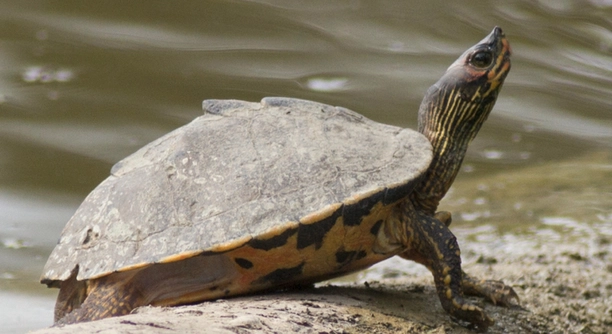
Indian Roofed Tortoises are known for their curious nature, often testing the boundaries of their enclosures. If you’ve noticed your tortoise attempting to escape, it’s likely due to certain instincts and environmental factors that trigger this behavior.
The main reason for your Indian Roofed Tortoise trying to escape is its instinctual desire for a larger or more stimulating environment. Tortoises are highly territorial and may seek to explore beyond their enclosure if it feels confined or unstimulating.
This behavior can be managed by adjusting the enclosure and providing enrichment. There are a few practical steps you can take to ensure your tortoise feels safe and secure in its habitat.
Why Do Indian Roofed Tortoises Try to Escape?
Indian Roofed Tortoises are naturally curious animals, which often leads them to try and escape their enclosures. They may attempt to find a new space that feels more open or provides more stimulation. In the wild, they roam large areas, so being confined to a small enclosure can trigger their desire to explore. If their environment is too small or lacks enough mental stimulation, they may feel the need to escape. Another factor could be a temperature issue. Tortoises depend on heat to regulate their body temperature, and if they are too hot or cold, they may try to move to a different area. Understanding these motivations will help you address this behavior effectively and ensure your tortoise is both happy and healthy.
A lack of space or stimulation can easily trigger your tortoise’s desire to escape. Ensuring a comfortable environment can reduce these urges.
In addition to space, another important consideration is the diet. If your tortoise isn’t getting enough food or variety, it may become stressed and attempt to escape to find a better food source. Similarly, if the enclosure lacks the right humidity or temperatures, your tortoise may look for a more suitable environment. Make sure their habitat meets all the proper conditions to keep them comfortable and healthy.
How to Prevent Your Tortoise from Escaping
To stop your tortoise from trying to escape, start by assessing its current living conditions. First, check the size of the enclosure. It should be spacious enough for your tortoise to move around freely. Provide hiding spots, such as rocks or plants, to create a more natural and stimulating environment. Secondly, make sure the enclosure is secure, with no gaps or openings where your tortoise could slip through. Consider adding a higher barrier to prevent climbing attempts. Temperature is another crucial factor. Tortoises need a warm environment, so ensure the basking area is between 85-90°F, with cooler areas around 70-75°F. Humidity levels should also be monitored and kept between 50-60% for most species. Lastly, provide proper lighting. UVB light is essential for your tortoise to thrive, helping them absorb calcium and metabolize food properly. Following these tips will help reduce the risk of escape attempts.
Providing a Comfortable Habitat
Creating a comfortable habitat for your tortoise is essential to prevent escape attempts. Ensure the enclosure is spacious enough for them to roam. Use secure barriers that prevent your tortoise from climbing or squeezing out. Consider the materials of the enclosure; sturdy walls are ideal to keep your tortoise inside.
The right temperature is vital for your tortoise’s well-being. A warm basking area is necessary, as tortoises rely on external heat to regulate their body temperature. The temperature gradient in the enclosure should mimic natural conditions, with a cooler area for resting. Proper lighting is also essential, especially UVB light, which helps your tortoise absorb calcium. Without UVB light, tortoises can suffer from shell deformities or metabolic bone disease.
Providing hiding spots within the enclosure adds a sense of security for your tortoise. Tortoises are naturally shy and prefer areas where they can retreat. Adding plants, logs, and rocks not only creates a more engaging environment but also reduces the likelihood of escape attempts. These simple additions will keep your tortoise comfortable and less likely to seek out an exit.
Enrichment and Mental Stimulation
Enrichment is key to a happy and healthy tortoise. To prevent escape attempts, offer various activities that keep them mentally stimulated. Tortoises enjoy foraging for food, so scatter their meals around the enclosure. This encourages them to explore, providing both physical and mental exercise. Hiding food in different spots will keep them active and engaged, reducing the desire to escape.
You can also introduce new textures and items in their habitat. Tortoises enjoy climbing on rocks or logs, which allows them to exercise their limbs. These small challenges prevent boredom and help your tortoise feel more at home. Adding more varied environments, such as sand, dirt, and water areas, will also give them a sense of variety in their surroundings. The more you can mimic their natural habitat, the more likely your tortoise will stay satisfied and less interested in escaping.
Temperature and Lighting
Maintaining the right temperature and lighting is crucial. Ensure the basking area stays between 85-90°F, while cooler areas remain around 70-75°F. UVB light is necessary for tortoises to absorb calcium and maintain proper shell health. Without these conditions, they may feel uncomfortable and try to escape.
A thermometer and humidity gauge are your best tools to monitor the environment. By ensuring both the temperature and humidity are ideal, your tortoise will feel more secure. Providing proper UVB light for 10-12 hours daily can also prevent escape attempts, as tortoises are naturally drawn to sunlight.
Diet and Hydration
A well-balanced diet can prevent escape behavior. Ensure your tortoise receives plenty of fresh greens, fruits, and vegetables. A proper diet supports their overall health and reduces stress, which might cause escape attempts. Always provide fresh water to keep them hydrated.
Tortoises are attracted to specific plants and food items, so make sure to vary their diet regularly. Offering a mix of leafy greens like kale, collard greens, and dandelion greens can help mimic their natural diet. A good feeding schedule will make your tortoise feel safe, reducing its desire to roam.
FAQ
Why does my tortoise try to escape the enclosure?
Tortoises often attempt to escape because they are trying to find a larger space or more stimulating environment. In the wild, they roam vast areas, so being confined can make them feel stressed. Lack of space, inadequate temperature, and an uninteresting habitat can trigger their desire to explore outside their enclosure. Also, if they are not getting enough food or variety in their diet, they may be more inclined to search for a new area.
How do I stop my tortoise from trying to escape?
To stop your tortoise from trying to escape, ensure its enclosure is large enough for it to roam. Secure the enclosure to prevent climbing or slipping out. Make the environment more enriching by adding rocks, plants, or logs, and ensure the proper temperature range is maintained. Also, ensure it has a well-balanced diet to reduce stress.
Is my tortoise trying to escape because it is unhappy?
Yes, unhappiness can contribute to escape attempts. If your tortoise feels cramped, lacks stimulation, or has inadequate care, it might look for an escape route. Ensure the enclosure meets its physical and mental needs. A well-maintained, stimulating habitat will make your tortoise feel secure and less likely to try and escape.
What should I do if my tortoise escapes?
If your tortoise escapes, immediately check the area around the enclosure for gaps or holes that need to be sealed. Search for your tortoise in nearby sheltered areas like under bushes or in shaded spots. After recovering it, adjust the enclosure to prevent future escapes, adding barriers or improving security.
Can I use a smaller enclosure to stop my tortoise from escaping?
A smaller enclosure might reduce the chances of escape, but it can also lead to stress. Tortoises need space to roam and explore, so it’s best to provide an appropriately sized enclosure. Make sure it’s secure and filled with enriching elements like plants and rocks to keep them engaged.
Do tortoises need UV light?
Yes, UV light is essential for tortoises, as it helps them synthesize vitamin D3 and absorb calcium. Without UV light, your tortoise can develop metabolic bone disease and other health issues. Provide a UVB light source for 10-12 hours each day, as natural sunlight is important for their well-being.
What is the best temperature for my tortoise’s enclosure?
The ideal temperature for your tortoise’s enclosure should have a basking area around 85-90°F, with cooler areas around 70-75°F. Having a temperature gradient helps your tortoise regulate its body temperature. Regularly check with thermometers to ensure that these conditions are consistently met.
How often should I feed my tortoise?
Feeding frequency varies depending on the species and age of your tortoise. Adult tortoises typically eat every other day, while young tortoises need daily feedings. Provide a mix of leafy greens, vegetables, and occasional fruits. Always ensure that fresh water is available, as hydration is crucial for their health.
Can tortoises climb out of their enclosure?
Tortoises are not typically great climbers, but some species can scale low barriers if they are not high enough or stable. Make sure your enclosure has walls or fencing that are at least 12-18 inches tall. If your tortoise is a known climber, consider adding a lid or increasing the height.
What should I do if my tortoise is constantly trying to climb?
If your tortoise is constantly trying to climb, check for a lack of stimulation in its environment. Add climbing structures such as rocks or logs. Sometimes, climbing can also indicate that the tortoise feels cramped or uncomfortable. Ensure the enclosure has enough space and is the right temperature to help prevent climbing attempts.
Why is my tortoise pacing the enclosure?
Pacing may indicate that your tortoise is feeling stressed or that the enclosure doesn’t meet its needs. A lack of space, improper temperature, or the absence of hiding spots can cause this behavior. Adjust the habitat by providing more room, creating hiding spaces, and ensuring proper lighting and temperature.
How can I keep my tortoise entertained?
To keep your tortoise entertained, provide variety in its environment. Add different textures like rocks, logs, and plants. You can also scatter food in the enclosure to encourage foraging, or even introduce new objects that it can explore. The more engaging the environment, the less likely your tortoise will try to escape.
Final Thoughts
Understanding why your Indian Roofed Tortoise tries to escape can help you address the behavior and provide a better living environment for your pet. Tortoises are curious creatures, and their instincts drive them to explore beyond their enclosures. This can happen if their habitat is too small, lacks enough stimulation, or doesn’t meet their basic needs like temperature and lighting. Keeping a tortoise in a comfortable and enriching space is key to reducing escape attempts. By making simple adjustments to their environment, you can ensure they feel safe and secure, which will help prevent them from seeking a way out.
It’s also important to remember that tortoises, like all pets, need regular attention and care. They thrive in environments that mimic their natural habitat as closely as possible. Ensuring the proper lighting, temperature, and humidity levels is just as essential as providing a varied diet and enriching the space they live in. The more you can create an environment that supports their instincts, the less likely your tortoise will feel the need to escape. If you notice your tortoise still trying to leave its enclosure, consider adding more hiding spots or climbing structures to stimulate them. Offering a variety of experiences and interactions will keep them happy and content.
In conclusion, keeping your Indian Roofed Tortoise from escaping requires a little understanding of its needs and behavior. By paying attention to the size and setup of their habitat, maintaining the correct environmental conditions, and providing a well-balanced diet, you can reduce escape attempts. Tortoises need both physical space and mental stimulation to feel at ease in their enclosures. With these changes, your tortoise can lead a more fulfilling, stress-free life.

Hello,
If you enjoy the content that we create, please consider saying a "Thank You!" by leaving a tip.
Every little bit helps us continue crafting quality advice that supports the health, happiness, and well-being of pets around the world, for pets of all shapes, sizes, and species.
We really appreciate the kindness and support that you show us!