
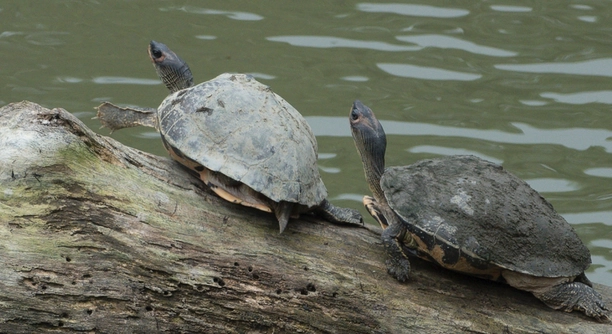
Are you noticing your Indian roofed tortoise repeatedly trying to bury itself and wondering what might be causing this behavior? Understanding why this happens can help ensure your tortoise is comfortable and living in the best possible environment.
The most common reason your Indian roofed tortoise keeps trying to bury itself is the need for security and thermoregulation. Tortoises instinctively burrow to escape extreme temperatures, avoid stress, and create a safe, comfortable space that mimics their natural habitat.
Environmental factors, stress levels, and habitat conditions all play a role in this behavior. Learning more about these reasons will help you provide the right care and create a balanced environment for your tortoise’s well-being.
Understanding Your Tortoise’s Burrowing Behavior
Indian roofed tortoises burrow for several reasons, including temperature regulation, stress relief, and natural instincts. In the wild, they dig into soil or sand to escape extreme heat or cold. This behavior helps them stay comfortable and avoid harsh environmental conditions. If your tortoise is frequently trying to bury itself, it may be seeking a more suitable habitat.
A tortoise that burrows often may be feeling too hot, too cold, or unsafe in its enclosure. Ensuring the right temperature and providing enough hiding spots can reduce this behavior. A well-maintained habitat helps your tortoise feel secure and comfortable.
Checking the temperature and humidity levels in the enclosure is essential. If the conditions are not ideal, your tortoise will instinctively try to adapt. Offering a balanced environment with proper substrate, hiding areas, and temperature control can keep your tortoise from excessive burrowing.
Adjusting the Habitat for Comfort
A proper enclosure setup can prevent unnecessary burrowing. Make sure the habitat includes a warm basking area, a cooler shaded section, and a secure hiding space. A balanced environment helps your tortoise feel safe and comfortable.
Using a natural substrate like coconut coir or soil allows your tortoise to dig when needed without stress. A deep enough layer of substrate supports natural behaviors while keeping them comfortable. The temperature should range from 75-85°F, with a basking spot around 90°F. Humidity levels should stay moderate, as too much moisture can lead to health issues.
If burrowing continues, consider adjusting the lighting and heating setup. Observing your tortoise’s behavior will help you determine what changes are needed. Creating a suitable habitat ensures a happy and healthy tortoise.
Ensuring Proper Temperature and Lighting
A tortoise that burrows frequently may be too hot or too cold. The enclosure should have a basking area of around 90°F and a cooler side at about 75-80°F. A UVB light source is essential for maintaining healthy shell growth and overall well-being.
If the temperature is too high, your tortoise will try to bury itself to cool down. Make sure the heat lamp is not overheating the enclosure. On the other hand, if it is too cold, your tortoise may burrow to conserve warmth. A consistent temperature gradient helps regulate its body temperature properly.
Lighting is just as important as heat. Without proper UVB exposure, a tortoise can develop health issues, including metabolic bone disease. Position the UVB light correctly and replace the bulb every six months to ensure effectiveness. A well-lit and temperature-controlled habitat reduces excessive burrowing behavior.
Reducing Stress and Anxiety
A stressed tortoise may burrow more often to feel secure. Loud noises, excessive handling, or sudden changes in the environment can cause stress. Providing a quiet, stable space with minimal disruptions can help your tortoise feel more at ease.
Changes in enclosure setup or tank mates can also affect stress levels. If you recently moved your tortoise to a new enclosure or introduced other animals, it may take time to adjust. Adding multiple hiding spots and ensuring a proper substrate depth can provide extra security. Observing your tortoise’s behavior will help identify any sources of stress.
If stress continues, consider adjusting handling routines and checking for signs of illness. A healthy, calm tortoise will spend less time trying to bury itself and more time engaging in normal activities like basking and exploring.
Providing the Right Substrate
The type of substrate affects how often your tortoise burrows. A mix of soil and coconut coir creates a natural, comfortable surface. Avoid gravel or rough bedding, as these can cause discomfort and make burrowing difficult. Soft, loose materials encourage natural digging behaviors without stress.
A deep substrate layer allows for proper burrowing. At least three to four inches of substrate gives your tortoise enough space to dig without struggling. Keeping the substrate slightly moist but not overly wet helps maintain the right humidity levels, preventing dehydration and respiratory issues.
Monitoring Health Concerns
Excessive burrowing can sometimes indicate health problems. If your tortoise is hiding more than usual, refusing food, or showing signs of lethargy, it may be unwell. Respiratory infections, parasites, or metabolic issues could be the cause. Observing changes in behavior and seeking veterinary advice ensures early detection of any health concerns.
Encouraging Natural Behaviors
Burrowing is a normal behavior, but it should not be excessive. Providing a well-balanced habitat with proper temperature, lighting, and hiding spots allows your tortoise to burrow naturally without stress. A comfortable environment encourages healthy activity levels, ensuring your tortoise thrives in captivity.
FAQ
Why does my Indian roofed tortoise burrow more at night?
Tortoises often burrow at night to feel secure while they sleep. In the wild, burrowing protects them from predators and keeps them warm. If your tortoise is burrowing excessively at night, check the nighttime temperatures. A drop below 70°F may cause your tortoise to dig for warmth.
Is it normal for my tortoise to stay buried for long periods?
Yes, but it depends on the duration. If your tortoise buries itself for hours during the day and still comes out to eat and bask, it is likely normal behavior. However, if it remains buried for several days, it could be a sign of stress, illness, or incorrect habitat conditions.
Should I stop my tortoise from burrowing?
No, burrowing is a natural behavior. Instead of preventing it, ensure the habitat meets its needs. Provide a proper substrate, maintain the right temperature, and offer hiding spots. If the burrowing seems excessive, observe for signs of stress or illness and adjust the enclosure accordingly.
What kind of bedding is best for a burrowing tortoise?
A soft, natural substrate like a mix of topsoil and coconut coir works best. It allows easy digging while holding some moisture to maintain humidity. Avoid wood chips, gravel, or sand, as these can cause respiratory issues, impaction, or injuries. A depth of three to four inches is ideal.
How can I tell if my tortoise is burrowing due to stress?
If your tortoise burrows frequently and avoids coming out, it may be stressed. Other signs include reduced appetite, increased hiding, and less activity. Stress can be caused by loud noises, excessive handling, sudden changes in the enclosure, or improper temperature and humidity levels.
Can seasonal changes affect my tortoise’s burrowing habits?
Yes, seasonal changes can impact burrowing. In colder months, tortoises may burrow more to stay warm, even if they are kept indoors. During warmer months, they may dig to cool off. Adjusting temperature and humidity levels in response to seasonal shifts can help regulate their burrowing behavior.
Is burrowing a sign that my tortoise wants to hibernate?
Indian roofed tortoises do not naturally hibernate like some other species, but they may become less active in cooler temperatures. If your tortoise is burrowing more and eating less, check that the habitat is warm enough. Keeping temperatures stable prevents unnecessary hibernation-like behavior.
What should I do if my tortoise buries itself and refuses to come out?
Check the enclosure’s conditions first. Ensure the temperature, humidity, and lighting are appropriate. If everything seems fine but your tortoise remains buried for several days, try gently uncovering it to check for signs of illness. If lethargy or loss of appetite continues, a vet visit may be necessary.
Can burrowing too much be harmful to my tortoise?
Burrowing itself is not harmful, but excessive burrowing caused by stress, incorrect habitat conditions, or illness can be a concern. If your tortoise is not eating, losing weight, or showing signs of weakness, prolonged burrowing could be a symptom of an underlying issue that needs attention.
Do all Indian roofed tortoises burrow, or is mine unusual?
All Indian roofed tortoises exhibit burrowing behavior to some extent. Some burrow more than others, depending on their personality and environment. As long as your tortoise is active, eating well, and not displaying signs of distress, its burrowing habits are normal.
Final Thoughts
Burrowing is a natural behavior for Indian roofed tortoises. It helps them regulate temperature, feel secure, and mimic their natural habitat. While some burrowing is normal, excessive or prolonged hiding may indicate an issue with the enclosure or the tortoise’s health. Checking temperature, humidity, lighting, and substrate quality can ensure the habitat meets their needs. A proper setup allows your tortoise to burrow when necessary without stress or discomfort.
Observing your tortoise’s behavior is important in understanding what it needs. If burrowing is accompanied by other unusual signs, such as loss of appetite, lethargy, or excessive hiding, it may be time to reassess the environment or consult a vet. A stressed or sick tortoise may dig more frequently, so addressing potential issues early can prevent further problems. Making gradual changes to the enclosure, such as adjusting temperature, providing more hiding spaces, or improving substrate, can help regulate burrowing behavior.
Providing a balanced environment allows your tortoise to thrive. A secure, comfortable space with proper care encourages natural behaviors while keeping stress levels low. By understanding why your tortoise burrows and ensuring it has everything it needs, you can create a healthy and happy home for your pet.

Hello,
If you enjoy the content that we create, please consider saying a "Thank You!" by leaving a tip.
Every little bit helps us continue crafting quality advice that supports the health, happiness, and well-being of pets around the world, for pets of all shapes, sizes, and species.
We really appreciate the kindness and support that you show us!