
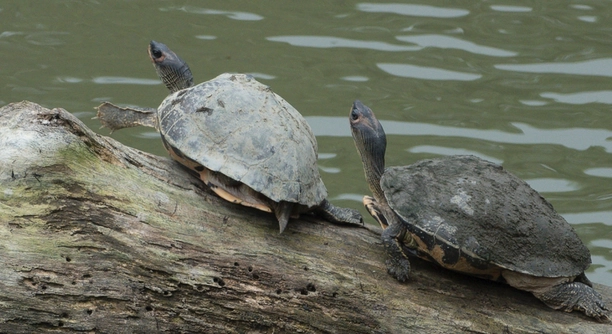
Indian Roofed Tortoises are unique pets that often show curious behaviors. One of the more common sights is when they rub their heads against objects. This behavior may raise questions for new tortoise owners.
Head rubbing in Indian Roofed Tortoises is typically a sign of stress, discomfort, or even a way to explore their environment. Sometimes, it can also be linked to mating behavior or a sign of shell irritation.
Understanding why your tortoise rubs its head is essential for their well-being. By recognizing these signs, you can take steps to ensure they are comfortable and healthy in their environment.
Common Causes of Head Rubbing in Indian Roofed Tortoises
Head rubbing in Indian Roofed Tortoises can occur for several reasons, including stress, irritation, or even just normal behavior. One of the most common causes is stress. Tortoises may rub their heads when they are feeling anxious or uncomfortable. This can be due to an environment that’s too noisy, crowded, or not providing enough space. They may also rub their heads if they feel threatened or insecure. Another reason could be irritation from their environment, such as rough surfaces that cause discomfort. Sometimes, it’s just part of their exploration behavior, as they use their heads to explore their surroundings. Understanding what’s causing this behavior is key to making sure they are happy and healthy.
Stress and irritation are the primary reasons behind this head rubbing behavior. Sometimes, environmental factors, such as temperature or humidity, can make your tortoise feel unsettled, prompting it to rub its head.
Ensuring your tortoise is in a calm and comfortable space can help reduce this behavior. Make sure their habitat is spacious, quiet, and free from anything that may cause stress, such as loud noises or harsh lighting. Pay attention to temperature and humidity levels as well, as they are essential for a healthy tortoise environment. If your tortoise is rubbing its head against objects, it could be a sign of shell irritation. The surface it’s rubbing against might be rough or too abrasive for comfort. Providing a smooth, clean space can help. Regularly check their shell for signs of damage or parasites. Keeping the environment calm, clean, and comfortable is the first step in preventing head rubbing.
What to Do If Your Tortoise Keeps Rubbing Its Head
If your tortoise continues to rub its head despite adjustments to its environment, it’s important to take further steps. Look for signs of health problems such as swelling, discharge, or any change in behavior.
When environmental changes don’t seem to help, it’s time to consider possible health issues. If your tortoise is rubbing its head frequently and there’s no sign of improvement, it might be worth consulting a veterinarian. Some health problems, like a fungal infection or shell rot, could cause discomfort and lead to head rubbing. Shell injuries or parasite infestations may also cause the tortoise to rub its head against objects. In such cases, professional advice will help ensure proper care and treatment for your pet.
Making sure your Indian Roofed Tortoise has the right environment is essential for reducing head rubbing. Check for any possible health concerns and consult with a vet if needed.
Shell Irritation and Head Rubbing
Rough or damaged shells can cause discomfort, leading to head rubbing. If your tortoise’s shell isn’t smooth, it may try to relieve the irritation by rubbing its head on objects.
Check your tortoise’s shell regularly for any rough patches or injuries. If the shell is cracked, chipped, or damaged, it might cause discomfort. You can gently rub your tortoise’s shell to feel if there are any rough areas. If there are, they could be the reason for the head rubbing. Proper care and attention to shell health are essential for your tortoise’s comfort.
Keeping the shell clean and free from external debris is also important. Regularly bathing your tortoise can help keep its shell in good condition. If you notice signs of fungal infection or shell rot, it’s crucial to treat it promptly with proper medication or professional care. Maintaining a smooth, healthy shell can significantly reduce head rubbing. Additionally, providing a soft, clean environment for your tortoise can prevent further irritation.
Stress Factors That Lead to Head Rubbing
Environmental stress can also cause head rubbing. Loud noises, overcrowding, or an uncomfortable habitat can make your tortoise feel unsettled, prompting it to rub its head.
If your tortoise is kept in an area that is too noisy, busy, or stressful, it may rub its head in an attempt to cope. To create a better environment, consider moving your tortoise to a quieter location or adjusting the habitat to make it feel more secure. It’s important to ensure that your tortoise has enough space to move around. An overcrowded or cramped enclosure can cause anxiety and discomfort, leading to abnormal behaviors such as head rubbing.
Make sure your tortoise’s habitat is quiet and calm. Use soft lighting and avoid loud sounds in the area where your tortoise spends most of its time. The environment should be peaceful and spacious, allowing your tortoise to feel safe. By managing stressors, you can reduce the chances of head rubbing and ensure a healthier and happier pet.
Mating Behavior and Head Rubbing
Head rubbing can sometimes be linked to mating behavior. During breeding season, male tortoises often engage in rubbing or nudging behaviors as a way to show interest in females.
If you have more than one tortoise, especially during mating season, this head rubbing could be a sign of courtship. Male tortoises may try to rub or nudge the female’s head or shell to get her attention. This is typically normal and doesn’t require intervention unless it leads to aggression or injury.
If this behavior continues outside of mating season or becomes more aggressive, it’s important to observe for any signs of distress. In some cases, males can become overly persistent, which could stress out the female. Separating the tortoises temporarily may help reduce any unwanted behavior.
Temperature and Humidity Impact
Improper temperature or humidity levels can cause your tortoise to rub its head. Tortoises are highly sensitive to environmental conditions and may display unusual behaviors like head rubbing if conditions aren’t right.
Ensure that your tortoise’s habitat maintains the correct temperature and humidity. If the environment is too hot or too cold, it can cause stress, leading to behaviors like head rubbing. Using a thermometer and hygrometer can help you monitor and adjust the conditions accordingly. A proper basking area, along with a cooler side, can provide a balanced environment for your tortoise.
FAQ
Why does my Indian Roofed Tortoise rub its head on the ground?
Head rubbing on the ground can be a sign of several things, such as irritation, exploration, or stress. If the surface is rough or uncomfortable, your tortoise might rub its head to relieve irritation. It could also be using its head to explore its environment, as tortoises often use their heads to push and investigate objects around them. However, persistent rubbing could signal stress due to environmental factors, such as noise or overcrowding. In some cases, it could be related to mating behaviors, especially if you have multiple tortoises.
How can I tell if my tortoise is stressed?
Stress in tortoises can be difficult to spot, but some common signs include head rubbing, excessive hiding, changes in eating or drinking habits, and more aggressive behavior. If your tortoise seems more restless than usual or avoids its normal routine, it might be stressed. Stress can also lead to health problems, so it’s important to address it early. Check if its environment is too noisy, cramped, or uncomfortable, and adjust accordingly. Providing a calm, spacious, and safe habitat is key to reducing stress.
Can head rubbing cause injury to my tortoise?
In most cases, head rubbing is not harmful, but if your tortoise is rubbing against sharp or hard surfaces, it could lead to injury. Persistent rubbing can cause abrasions or damage to the head or shell, which could become infected. Ensure your tortoise’s habitat is made up of safe, smooth surfaces, and regularly inspect the enclosure for any potential hazards. If you notice any signs of injury, such as swelling, redness, or open wounds, consult a veterinarian for proper care.
How often should I check my tortoise’s shell for damage?
It’s important to check your tortoise’s shell regularly for signs of damage, shell rot, or infection. At least once a week, gently inspect the shell to ensure it is smooth and intact. Look for cracks, chips, or any abnormal growths. If you spot any signs of damage, take immediate action to prevent infection by cleaning the shell and consulting a vet if needed. Proper care of your tortoise’s shell is crucial for its overall health and comfort.
Is it normal for my tortoise to rub its head on its mate?
Head rubbing is normal during mating behavior, especially if you have a male tortoise that’s trying to get the attention of a female. Male tortoises may nudge, rub, or push their heads against the female’s shell to court her. This is typical behavior during the breeding season. However, if the rubbing seems too aggressive or continuous, it could stress the female tortoise. Monitor the behavior closely and separate the tortoises if necessary to avoid any harm.
What should I do if my tortoise continues head rubbing despite making environmental changes?
If your tortoise keeps rubbing its head after you’ve adjusted its environment, it’s important to rule out health issues. Head rubbing could indicate a problem like shell rot, a fungal infection, or other physical discomforts. Check the shell for any signs of infection or damage. If you notice anything unusual, consult with a veterinarian who specializes in reptiles. Persistent rubbing can also be a sign of more serious underlying health problems, so it’s best to seek professional help if the behavior doesn’t improve.
Can the humidity affect my tortoise’s behavior?
Yes, humidity plays a significant role in your tortoise’s health and behavior. If the humidity in your tortoise’s enclosure is too low or too high, it can cause stress, dehydration, or other health problems. This could lead to behaviors like head rubbing. Make sure the humidity level is appropriate for your tortoise species. You can use a hygrometer to monitor the humidity, adjusting it as necessary to maintain a comfortable environment. A proper balance of humidity, along with temperature control, is essential for your tortoise’s well-being.
What are the signs that my tortoise is not getting enough space?
If your tortoise seems restless, constantly rubs its head, or shows signs of aggression, it might be an indication that its enclosure is too small. Tortoises need room to move around and explore. A cramped living space can cause stress and behavioral issues. Make sure the enclosure is large enough for your tortoise to roam freely. The space should also include areas to bask, hide, and explore, simulating a natural environment. If you have multiple tortoises, be sure they have enough space to avoid territorial conflicts.
Can temperature fluctuations cause head rubbing?
Yes, sudden temperature changes can cause stress, leading to behaviors like head rubbing. Tortoises rely on consistent temperature regulation to stay healthy. If the enclosure is too hot or too cold, your tortoise may try to rub its head or exhibit other signs of discomfort. Maintaining a stable temperature gradient with a basking area and a cooler side is essential. Ensure that your tortoise is not exposed to drafts or sudden temperature drops, as this can cause stress and negatively affect its health.
Should I be worried if my tortoise only rubs its head occasionally?
Occasional head rubbing is usually nothing to worry about, especially if it’s happening as part of normal behavior or exploration. Tortoises may rub their heads against objects as a way to explore their environment or even as part of routine activities. However, if the behavior becomes more frequent, aggressive, or is associated with other signs like loss of appetite, lethargy, or changes in behavior, it’s important to investigate further. Keep an eye on any patterns and make adjustments to the environment as needed to ensure your tortoise remains comfortable.
Final Thoughts
Head rubbing in your Indian Roofed Tortoise can be a sign of many things, ranging from natural behaviors to stress or discomfort. While occasional head rubbing might be nothing to worry about, frequent or intense rubbing should not be ignored. It’s important to observe your tortoise carefully and understand the possible causes behind the behavior. Stress, shell irritation, improper environmental conditions, and even mating behavior can all contribute to head rubbing. Identifying the cause can help you create a better environment for your tortoise and improve its overall well-being.
The first step in addressing head rubbing is to evaluate the habitat. Ensure that your tortoise’s enclosure is spacious, quiet, and comfortable. Overcrowding, loud noises, or harsh lighting can all contribute to stress. Make sure the temperature and humidity levels are appropriate for your tortoise’s needs. A clean and safe environment with smooth surfaces will also help prevent any irritation to its shell. Regularly check for any signs of damage or discomfort, and keep an eye on its behavior to spot any changes early. In most cases, adjusting these factors will reduce head rubbing and improve your tortoise’s health.
If adjusting the environment doesn’t resolve the behavior, it might be time to look into health-related causes. Shell irritation, infections, or other underlying issues can cause your tortoise to rub its head. In such cases, it’s best to consult a veterinarian who specializes in reptiles. They can help identify any medical problems and offer treatment. By keeping a close eye on your tortoise and addressing any concerns promptly, you can ensure that it stays healthy, happy, and free from discomfort.

Hello,
If you enjoy the content that we create, please consider saying a "Thank You!" by leaving a tip.
Every little bit helps us continue crafting quality advice that supports the health, happiness, and well-being of pets around the world, for pets of all shapes, sizes, and species.
We really appreciate the kindness and support that you show us!