
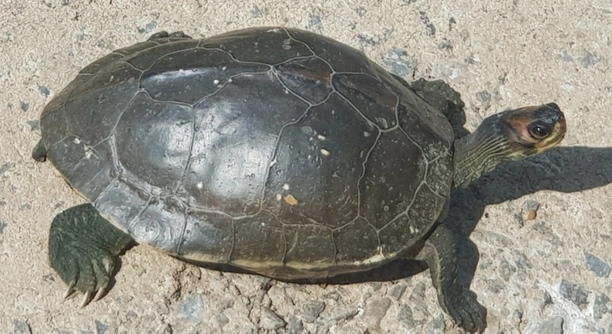
If you own an Indian Roofed Tortoise, you may have noticed its habit of opening and closing its mouth. This behavior can be puzzling for many tortoise owners, leaving them wondering what could be causing it.
The behavior of your Indian Roofed Tortoise opening and closing its mouth is often linked to environmental stress or respiratory issues. It may indicate a need for better humidity or temperature control, or even a potential sign of illness such as a respiratory infection.
Understanding the reasons behind this behavior can help you address the problem early. By adjusting the care routine, you can improve your tortoise’s health and well-being.
Possible Causes of Mouth Opening and Closing
The opening and closing of a tortoise’s mouth can be a sign of several issues. One of the most common causes is improper environmental conditions, particularly temperature and humidity. Indian Roofed Tortoises need specific humidity levels to thrive. If the habitat is too dry or too cold, they may try to regulate their breathing by opening their mouths. This is not just a natural behavior; it can also indicate discomfort or distress. Over time, this can lead to more serious health problems.
While the environment plays a major role, another potential cause is respiratory infection. This condition is common in reptiles when their living conditions aren’t properly maintained. Signs like excessive mouth-opening or wheezing can point to infections that need immediate attention. To prevent this, it’s important to monitor your tortoise’s health regularly, paying attention to any changes in behavior, especially around its breathing.
A regular check of the tank’s temperature and humidity is essential for keeping your tortoise healthy. Consider investing in a thermometer and hygrometer to maintain the right conditions. If issues persist, it’s best to consult a veterinarian who specializes in reptiles to get a proper diagnosis.
Ensuring Your Tortoise’s Comfort
Providing the right environment can go a long way in preventing health problems for your tortoise. A proper enclosure with controlled temperature and humidity will help your tortoise stay comfortable and avoid stress.
An enclosure with a basking area around 90°F and a cooler side of about 75°F will help regulate your tortoise’s body temperature. Make sure the humidity is around 60-80%, as this supports healthy breathing. If these conditions are met, you will likely see a reduction in the behavior of mouth opening and closing.
When to Seek Veterinary Help
If your tortoise’s mouth-opening behavior continues despite correcting its environment, it may be time to seek professional help. Respiratory infections are serious and can worsen quickly if left untreated. A reptile vet can perform tests and provide treatment options.
Proper Humidity and Temperature Management
Keeping your tortoise’s enclosure at the right temperature and humidity is crucial. Without this, it can struggle with breathing, making the opening and closing of its mouth more frequent. Humidity should be between 60-80%, while basking temperatures need to stay around 90°F.
Maintaining proper humidity will help prevent dehydration and encourage natural breathing. A humidity gradient in the tank, with a dry and wet area, can support your tortoise’s needs. If the air is too dry, it may try to open its mouth to manage its breathing, which can stress the tortoise over time. Regularly misting the tank and adding a shallow water dish will help achieve the right levels.
If humidity fluctuates too much or becomes too high, mold and bacteria growth can occur, leading to respiratory infections. This not only makes your tortoise uncomfortable but can also result in a longer recovery period. Investing in a hygrometer is a simple solution to keep track of the humidity and avoid potential issues.
Ensuring a Clean Habitat
A clean enclosure is essential to your tortoise’s health. Dirty tanks can harbor bacteria, leading to infections that affect the respiratory system. Regularly remove waste, uneaten food, and soiled bedding to prevent the spread of harmful bacteria.
Keeping the enclosure clean reduces the chances of mouth-related health problems. Ensure that your tortoise’s water dish is also cleaned frequently. Dirty water can introduce bacteria into its system. Additionally, sanitize any surfaces in the tank every week to maintain a safe and hygienic environment. A clean tank not only keeps your tortoise healthier but also helps in reducing stress and the likelihood of mouth-opening behavior.
Proper cleaning routines ensure that the habitat remains inviting and safe. Consider using reptile-safe disinfectants and cleaning tools to avoid harming your tortoise. If you notice persistent health problems despite clean conditions, it may indicate a more serious issue requiring veterinary attention.
Checking for Respiratory Infections
If your tortoise continues to open and close its mouth, it could be suffering from a respiratory infection. This is common among reptiles when they are exposed to poor conditions like low temperatures or humidity.
Signs of a respiratory infection include wheezing, nasal discharge, and a lack of appetite. If your tortoise exhibits these symptoms, it’s important to seek veterinary care. Left untreated, respiratory infections can worsen quickly, leading to more serious health issues. A veterinarian will diagnose the infection and may prescribe antibiotics or other treatments to help your tortoise recover.
Monitoring Your Tortoise’s Behavior
Pay attention to how often your tortoise opens and closes its mouth. If it happens occasionally but doesn’t seem to be associated with other health issues, it might simply be a sign of temperature regulation. However, consistent or frequent mouth-opening requires closer attention.
If the behavior persists despite a proper environment, further investigation is necessary. Other possible causes may include stress, dehydration, or infection. By observing your tortoise’s overall condition, including its activity level, eating habits, and shell health, you can better identify if something is wrong and take action promptly.
Ensuring Proper Diet
A well-balanced diet is essential for your tortoise’s overall health and can impact its behavior. If your tortoise is opening and closing its mouth, it might also be trying to communicate discomfort due to poor nutrition. A proper diet rich in fiber, vitamins, and minerals supports good respiratory health and overall well-being.
FAQ
Why is my tortoise opening and closing its mouth?
This behavior is often a sign of environmental stress or discomfort. If the humidity or temperature is incorrect, your tortoise may open its mouth to help regulate its breathing. It can also be an early sign of a respiratory infection, which requires immediate attention from a veterinarian.
How can I tell if my tortoise is sick?
Signs of illness in a tortoise include lethargy, lack of appetite, wheezing, nasal discharge, and unusual behavior such as excessive mouth-opening. If your tortoise is showing these symptoms, it’s important to consult a vet to diagnose and treat the problem. Early detection leads to better treatment outcomes.
What should I do if my tortoise has a respiratory infection?
If you suspect a respiratory infection, take your tortoise to a vet specializing in reptiles. The vet may prescribe antibiotics or recommend adjusting the habitat’s temperature and humidity. Keeping the environment stable is essential for recovery. Do not delay treatment, as untreated respiratory infections can be fatal.
Is it safe to treat my tortoise’s respiratory infection at home?
While some minor issues can be handled at home, respiratory infections require professional medical attention. A veterinarian will be able to diagnose the infection and provide proper medication. It’s not advisable to self-medicate as incorrect treatment can worsen the condition.
How can I prevent respiratory infections in my tortoise?
Preventing respiratory infections starts with maintaining proper temperature and humidity levels. Ensure the basking spot is around 90°F, and the cooler side of the tank is around 75°F. Also, provide clean, fresh water and mist the enclosure regularly to maintain humidity between 60-80%. A clean habitat is also crucial in preventing bacterial growth.
What temperature and humidity should I keep my tortoise’s habitat?
An Indian Roofed Tortoise requires a basking temperature of around 90°F and a cooler side of about 75°F. The humidity should range from 60-80%. Too high or low humidity can cause respiratory issues. Invest in a thermometer and hygrometer to monitor these levels consistently.
Can stress cause my tortoise to open its mouth?
Yes, stress can trigger this behavior. Changes in the tortoise’s environment, such as moving its enclosure or introducing new animals, can lead to stress. A stressed tortoise might open and close its mouth frequently as a way of regulating its breathing. Reducing stress by keeping the environment stable can help.
What type of diet is best for my tortoise?
Indian Roofed Tortoises are herbivores and thrive on a diet of leafy greens, vegetables, and some fruits. Include high-fiber plants like dandelion greens, clover, and collard greens. Ensure the food is free of pesticides and wash it thoroughly. A varied diet is essential for good health, including a calcium supplement.
How often should I feed my tortoise?
Tortoises typically eat every other day, depending on their size and age. Young tortoises might need daily feedings, while adults may eat every 2-3 days. Always ensure that they have access to fresh food and water during feeding times. Overfeeding can lead to obesity, which can affect your tortoise’s health.
What is the best way to clean my tortoise’s enclosure?
Regular cleaning is crucial for preventing bacterial growth. Remove waste, leftover food, and soiled bedding daily. Clean the tank with reptile-safe disinfectants weekly. Be sure to clean the water dish regularly and replace it with fresh water daily. Sanitizing the habitat ensures your tortoise stays healthy and avoids infections.
Can I use regular household cleaners in my tortoise’s enclosure?
No, avoid using regular household cleaners in your tortoise’s enclosure. Many household cleaners contain chemicals that can be harmful to reptiles. Use only reptile-safe disinfectants to clean surfaces, and make sure the enclosure is thoroughly rinsed to remove any traces of cleaning agents.
How long can a tortoise go without food?
Tortoises can go without food for extended periods, but it’s not ideal. Adult tortoises can survive a few weeks without food if necessary, but they should not be deprived for more than a few days. Ensure they have access to fresh food regularly to maintain their health and energy.
Should I keep my tortoise indoors or outdoors?
Tortoises can live both indoors and outdoors, but the environment must be carefully controlled. An outdoor habitat requires secure fencing and safe temperatures, while an indoor enclosure needs proper heating, lighting, and humidity control. Always ensure that the environment meets your tortoise’s needs.
How often should I change the bedding in my tortoise’s enclosure?
Bedding should be changed regularly, ideally every 2-3 weeks, to prevent bacteria build-up and keep the habitat clean. Spot clean daily by removing waste and soiled bedding. Safe bedding options include coconut coir, aspen shavings, or grass hay. Avoid using cedar or pine shavings, as they can be harmful to reptiles.
What are the signs of dehydration in a tortoise?
Dehydration in tortoises can lead to mouth-opening behavior. Other signs include sunken eyes, lethargy, and dry skin. Ensure your tortoise has access to fresh water daily, and consider soaking it in shallow, lukewarm water once a week to help with hydration.
How can I tell if my tortoise is too cold?
A tortoise that is too cold may show signs of lethargy and may stop eating. If it’s opening and closing its mouth excessively, it could be trying to regulate its body temperature. Ensure that the basking area stays warm enough, and that the cooler side of the tank allows for temperature regulation.
Can I use a heat lamp for my tortoise?
Yes, a heat lamp is essential for creating the proper basking spot in your tortoise’s enclosure. The heat lamp should provide a temperature of around 90°F. Be sure to place the lamp at a safe distance to avoid burns and ensure that the tortoise can move to a cooler area if needed.
What should I do if my tortoise is not eating?
If your tortoise isn’t eating, check its environment first. Incorrect temperature or humidity can cause a loss of appetite. Also, check for signs of illness, such as mouth-opening behavior or lethargy. If it continues to refuse food, consult a reptile veterinarian for further advice.
Final Thoughts
Understanding the reasons behind your Indian Roofed Tortoise’s behavior, especially when it starts opening and closing its mouth, is essential for maintaining its health and well-being. This behavior is not always a cause for concern, but it can signal problems such as stress, improper environmental conditions, or even a respiratory infection. By observing your tortoise carefully and providing the right habitat, you can often address the issue before it worsens. Proper temperature, humidity, and a stress-free environment are key factors in preventing these behaviors from escalating.
If you notice persistent mouth-opening, it’s important to rule out medical causes such as respiratory infections, which can be more serious if left untreated. Taking your tortoise to a vet as soon as possible ensures early diagnosis and treatment. Respiratory infections are common in reptiles, and they can affect your tortoise’s overall health if not addressed promptly. In many cases, with the right care and attention, your tortoise can recover fully, and the behavior will subside. Regular check-ups and keeping a close eye on their physical health are crucial to preventing future issues.
Ultimately, the well-being of your tortoise relies on consistency and proper care. Monitoring the environment, keeping the habitat clean, and maintaining a balanced diet are simple but effective ways to support your tortoise’s health. Addressing minor changes in behavior early on can prevent more serious health concerns later. By providing a safe and comfortable space, you ensure that your tortoise can thrive and continue to enjoy its life. With attention to detail and the right support, your tortoise’s health will improve, and behaviors like opening and closing its mouth can be avoided or managed effectively.

Hello,
If you enjoy the content that we create, please consider saying a "Thank You!" by leaving a tip.
Every little bit helps us continue crafting quality advice that supports the health, happiness, and well-being of pets around the world, for pets of all shapes, sizes, and species.
We really appreciate the kindness and support that you show us!