
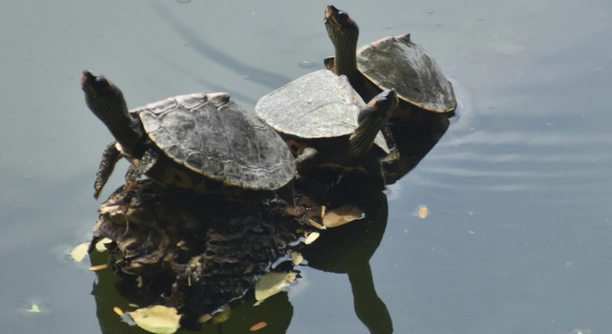
Indian Roofed Tortoises are fascinating creatures, but they sometimes display odd behaviors. One such behavior is biting their own feet. Understanding this action can help ensure your tortoise’s well-being and overall health.
The most common reason your Indian Roofed Tortoise bites its feet is due to stress or discomfort. It may be responding to irritation, poor habitat conditions, or even underlying health issues. Observing their environment and behavior is crucial to finding the cause.
Tortoises rely on specific care for a happy life. With the right knowledge, you can improve their comfort and address any concerns they may have.
Reasons Why Your Indian Roofed Tortoise Might Be Biting Its Feet
Indian Roofed Tortoises are sensitive creatures that need a suitable environment to thrive. Biting their own feet is often a sign of discomfort or stress. Poor living conditions like improper humidity, temperature, or inadequate space can lead to this behavior. In some cases, it may also be linked to health problems, such as parasites or fungal infections. It’s important to pay attention to these signs early, as they could signal that something isn’t quite right. If not addressed, these issues could worsen and affect your tortoise’s overall health.
Stress can also play a major role in foot-biting behavior. If your tortoise is constantly in an environment with noise or disturbances, it may start to exhibit this strange habit. These reptiles are naturally shy and need a calm, quiet place to feel secure.
The substrate you use can also influence your tortoise’s behavior. If the bedding is rough or uncomfortable, it might cause irritation to their feet, making them nibble or bite at them. Additionally, check for any signs of injury or infection that could be bothering them. It’s essential to regularly inspect your tortoise’s feet and maintain a clean environment for them to avoid unnecessary pain or discomfort.
How To Create the Right Environment for Your Tortoise
A proper habitat is crucial for preventing stress and discomfort in your tortoise. The right temperature, humidity, and space are key.
Temperature and humidity should mimic the tortoise’s natural environment to avoid stress. This can be achieved by using heat lamps and humidity systems that maintain stable conditions. Ensure your tortoise has access to a clean water source, and provide hiding spots to create a sense of security.
To prevent foot-biting behaviors, ensure your tortoise has enough room to move freely and explore. Overcrowding can create stress and lead to unwanted behaviors. Additionally, use a soft, clean substrate such as coconut fiber or grass mats, which is gentle on your tortoise’s feet and helps avoid irritation. Regularly clean the enclosure to prevent any buildup of bacteria or mold.
Foot Injuries or Infections
If your tortoise is biting its feet, it could be a sign of injury or infection. Check their feet closely for cuts, abrasions, or swelling. Injuries can be caused by sharp edges in the habitat or rough handling.
Infections are another concern. If you notice redness, discharge, or an unusual odor, your tortoise may be dealing with an infection. Fungal and bacterial infections are common in reptiles, especially if they are exposed to wet or unsanitary conditions. If left untreated, infections can lead to serious health issues.
Cleaning their enclosure regularly and providing safe, soft surfaces can help prevent injuries. Always disinfect any items you place in their habitat to reduce the risk of bacterial buildup. Be gentle when handling your tortoise to avoid causing harm.
Behavioral Stress
Behavioral stress is a common reason for tortoises to bite their feet. Overcrowding, constant noise, or a lack of hiding spaces can create a stressful environment. When tortoises feel threatened or insecure, they may engage in foot-biting or other repetitive behaviors as a coping mechanism.
Ensure your tortoise has plenty of room to move around. A spacious enclosure with plants, hiding spots, and even some natural features like rocks can help create a calm environment. Reducing loud sounds or movements near their habitat can also help keep stress levels low.
Sometimes, tortoises may bite their feet simply out of boredom. If your tortoise isn’t mentally stimulated, it might turn to repetitive actions like biting its feet. Providing a variety of toys or activities to engage with can help reduce stress and promote healthier behavior.
Poor Diet and Nutrition
A lack of proper nutrition can also lead to foot-biting. If your tortoise isn’t getting the right vitamins and minerals, it may start to show signs of discomfort. This can include behaviors like biting its feet.
Ensure your tortoise’s diet is rich in calcium, fiber, and other essential nutrients. Offering a variety of leafy greens, vegetables, and occasional fruit can help provide a balanced diet. If needed, consult with a reptile veterinarian to ensure your tortoise is getting the proper supplements.
A deficiency in calcium or other nutrients can affect their bones and overall health. This could lead to physical discomfort, prompting them to bite their feet. A well-rounded diet can reduce this risk.
Environmental Factors
Environmental factors like temperature, humidity, and lighting affect your tortoise’s well-being. If your tortoise is uncomfortable due to these conditions, it may start engaging in foot-biting behavior.
Ensure the temperature is kept between 75°F and 85°F, with a warm basking spot. Humidity should be moderate, around 50-60%, depending on your tortoise’s species. Lighting, particularly UVB, is also essential for proper shell growth and overall health.
Health Checkups
Regular health checkups are important for your tortoise’s long-term well-being. A veterinarian can spot any potential health issues early, including parasites or internal problems that might cause discomfort and lead to foot-biting.
FAQ
Why is my Indian Roofed Tortoise biting its feet?
Biting feet is often a sign of discomfort or stress in tortoises. It can be caused by various factors, including poor living conditions, injury, infection, or a lack of proper nutrition. It’s important to evaluate the environment, check for injuries, and ensure they’re getting the right care. Addressing any issues promptly can help stop this behavior and keep your tortoise healthy.
Can stress cause my tortoise to bite its feet?
Yes, stress is a common cause. Tortoises are sensitive animals, and changes in their environment can make them feel insecure. Overcrowding, too much noise, or a lack of hiding spaces can cause them to feel threatened. This can lead to repetitive behaviors like biting their feet. Providing a calm, spacious habitat will help reduce stress and prevent this behavior.
How can I tell if my tortoise has an injury?
Look for visible signs of injury, such as cuts, bruises, or swelling on their feet. Injuries might happen due to rough handling or sharp objects in their habitat. If your tortoise is limping or has trouble moving, it’s a clear indication of pain or injury. Inspect their feet carefully, and if you find any wounds, treat them immediately with proper care or consult a veterinarian.
What can I do if my tortoise has an infection?
If your tortoise shows signs of infection, such as redness, swelling, or discharge, it’s crucial to seek veterinary care. Infections are often caused by bacteria or fungi, and they can spread quickly if not treated. Ensure the enclosure is clean and dry, and avoid over-wetting their environment. A vet will recommend the best treatment to manage the infection and prevent further complications.
How can I prevent my tortoise from biting its feet?
To prevent foot-biting, it’s essential to maintain a healthy, comfortable environment for your tortoise. Keep the temperature and humidity levels appropriate for their species. Offer a variety of nutritious foods and ensure they have plenty of space to roam. Regularly clean their habitat to avoid any buildup of bacteria or mold. A stress-free, well-maintained enclosure will reduce the chances of this behavior.
What should I feed my tortoise to prevent foot-biting?
A balanced diet is key to a healthy tortoise. Make sure to provide a variety of leafy greens, such as collard greens, dandelion, and kale. Offer a small amount of fruits like berries as treats, but avoid sugary or high-fat foods. If needed, add a calcium supplement to support their bone health, which can prevent discomfort that might lead to foot-biting.
Can poor diet lead to foot-biting behavior?
Yes, a poor diet can result in nutritional deficiencies that cause physical discomfort. If your tortoise is lacking essential nutrients, such as calcium or fiber, it may start to bite its feet due to pain or irritation. Providing a variety of appropriate foods and, if necessary, supplements can help prevent this behavior and promote overall health.
How often should I clean my tortoise’s enclosure?
It’s important to clean your tortoise’s enclosure regularly to maintain a healthy environment. Spot clean daily by removing any uneaten food or waste. Perform a thorough cleaning once a week, wiping down surfaces and replacing the bedding. A clean habitat helps reduce the risk of infections and irritations, which can lead to behaviors like foot-biting.
What temperature and humidity levels are best for my tortoise?
The ideal temperature for your tortoise should range from 75°F to 85°F, with a basking spot reaching up to 95°F. Humidity levels should be around 50-60%, though this can vary depending on the species. Providing these proper conditions ensures your tortoise stays comfortable and healthy, helping to prevent stress and foot-biting.
How do I know if my tortoise is stressed?
Signs of stress in tortoises can include hiding excessively, loss of appetite, or engaging in repetitive behaviors like biting their feet. Stress can also cause them to become lethargic or less active than usual. If your tortoise is displaying these signs, it’s important to assess its environment and make adjustments to reduce stress.
Can foot-biting be a sign of boredom in my tortoise?
Yes, boredom is another reason why tortoises may bite their feet. These animals are naturally curious and need mental stimulation. Without enough activity or things to explore, they may resort to repetitive behaviors like biting their feet. Offering enrichment, such as new items in their habitat or opportunities to explore, can help keep them engaged and reduce this behavior.
Should I take my tortoise to a vet if it’s biting its feet?
If you notice your tortoise biting its feet frequently or showing signs of injury or infection, it’s a good idea to consult with a vet. A professional can diagnose any underlying health issues or behavioral concerns that might be causing the foot-biting. Early intervention can prevent further complications and ensure your tortoise’s well-being.
Final Thoughts
If your Indian Roofed Tortoise is biting its feet, it’s important to pay close attention to the possible causes. This behavior is often a sign that something is not quite right, whether it’s due to stress, an injury, or an underlying health problem. It’s easy to assume the behavior is harmless, but taking action sooner rather than later can prevent more serious issues. The key to understanding and addressing foot-biting is to carefully observe your tortoise’s environment and habits. By maintaining a healthy, stress-free habitat, you can help your tortoise feel secure and comfortable.
Regularly inspecting your tortoise’s habitat, diet, and overall health is crucial for preventing issues like foot-biting. Creating an environment that mirrors their natural habitat is one of the most important things you can do. Providing appropriate temperature, humidity, and enough space for them to roam will go a long way in keeping your tortoise happy. Equally important is ensuring that your tortoise is getting the right nutrition. A balanced diet of fresh greens, vegetables, and the right supplements will help prevent nutritional deficiencies that might cause discomfort. In addition to these measures, regular health checkups with a reptile vet can catch any potential issues early, keeping your tortoise in top health.
By understanding the reasons behind your tortoise’s foot-biting behavior, you can take the necessary steps to address it. Whether the cause is physical, environmental, or behavioral, knowing how to manage it is the key to resolving the issue. Stress and boredom are common culprits, and improving your tortoise’s environment or adding enrichment activities can often be enough to change their behavior. With the right care, you can help your tortoise lead a comfortable and healthy life, free from behaviors like foot-biting. Ultimately, staying observant and proactive will ensure your tortoise’s happiness and well-being.

Hello,
If you enjoy the content that we create, please consider saying a "Thank You!" by leaving a tip.
Every little bit helps us continue crafting quality advice that supports the health, happiness, and well-being of pets around the world, for pets of all shapes, sizes, and species.
We really appreciate the kindness and support that you show us!